
How To
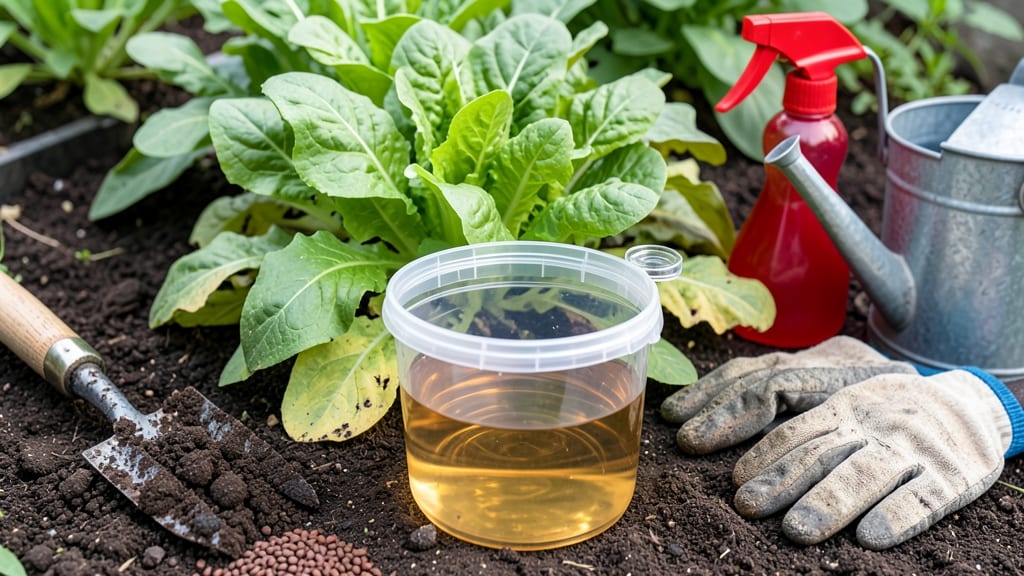
When your garden looks more brown than green, adding nitrogen to soil quickly saves your leafy crops before it’s too late. 🌱 I’ve used every trick from coffee grounds to manure tea—here’s what actually works in days, not weeks.
The fastest fix? Blood meal or fish emulsion—sprinkle on dry soil, water it in, and watch plants perk up within 3-5 days. For a free option, coffee grounds (used, not fresh) break down fast and add nitrogen, but they’re acidic, so pair them with compost.
Synthetic urea is the speediest but requires gloves and careful watering to avoid burning roots. You’ll see vibrant new growth on lettuce, spinach, and basil within a week, with stronger stems that support heavier harvests.
The key is timing: apply when plants are actively growing (spring or after pruning) and re-test soil in 2-4 weeks to avoid overdoing it. Works for veggie gardens, container plants, and even lawns—but avoid nitrogen-heavy fixes for flowering plants like tomatoes (it boosts leaves, not fruit).
Let’s get those greens back fast!
📚 In This Guide
- What you need
- Instructions
- Tips and common mistakes
- Wrapping up and next steps
What you need
- ● Nitrogen-rich amendments (pick 1-2): Blood meal (10-20 lbs per 100 sq ft) – fastest-acting, 12-13% nitrogen
- ● Fish emulsion (5-10-0) (2-4 quarts per 100 sq ft) – liquid, easy to apply
- ● Alfalfa meal (2-4%) (20-30 lbs per 100 sq ft) – slow-release, great for long-term
- ● Composted manure (chicken, cow, or horse) (2-4 inches spread) – organic, nutrient-dense
- ● Soybean or pea meal (6-7% nitrogen) (15-20 lbs per 100 sq ft) – vegan-friendly option
- ● Tools for application: Garden hose with spray nozzle (for liquid amendments)
- ● Garden fork or tiller (to mix into top 4-6 inches of soil)
- ● Gloves (nitrogen sources can be dusty or pungent!)
- ● Rake or hoe (to spread amendments evenly)
- ● Watering can (for diluting liquid fertilizers)
- ○ Optional (but helpful!) extras: pH test kit (to check soil acidity—ideal range: 6.0-7.0 for nitrogen uptake)
- ● Cover crop seeds (e.g., clover or vetch) – plant after applying nitrogen for a double boost
- ● Compost (to balance nitrogen with carbon for microbial activity)
- ● Slow-release nitrogen tablets (e.g., Milorganite) – for timed, low-maintenance feeding
Quick nitrogen boost: how to green up soil fast
When your plants beg for a leafy glow, these fast-acting tricks deliver nitrogen in hours—not weeks.
🌱 Step 1: Choose Your Fastest Nitrogen Source
For immediate results, I reach for blood meal or fish emulsion—both release nitrogen within 24-48 hours. Blood meal is my go-to for veggies like lettuce and spinach because it’s 12% nitrogen by weight, and I can sprinkle it directly on soil. Fish emulsion, diluted to 1-2% strength, works faster when sprayed on leaves (foliar feeding). Avoid synthetic fertilizers here—they take days to activate.
Measure 1 tablespoon per square foot for blood meal or 1/4 cup per gallon of water for fish emulsion. Too much nitrogen burns roots, so start light. Water the soil first to help distribute the granules evenly. You’ll see a darker green color in 3-5 days if the nitrogen is working—this is your first sign it’s taking effect.
☀️ Step 2: Apply and Water for Instant Activation
Spread your chosen nitrogen source evenly over the soil surface, avoiding direct contact with stems or leaves. For blood meal, I use a fine-mesh sieve to avoid clumps. Water deeply afterward—this dissolves the granules and washes nitrogen into the root zone. A hose-end sprayer makes this easy for larger garden beds. You’ll know the watering is right when the soil feels moist 2 inches down but not soggy.
Here’s the thing—if you skip watering, the nitrogen just sits there. I’ve seen gardeners waste expensive amendments because they assumed rain would do the job. Check soil moisture after 24 hours: if the top inch feels dry, water again. This ensures the roots can access the nitrogen right away.
🌿 Step 3: Monitor for Leafy Results in Days
Within 3-5 days, watch for new growth at leaf nodes—these are your nitrogen success signals. Older leaves may yellow slightly at first (a normal flush-out of excess minerals), but bright green, crisp new leaves confirm it’s working. For container plants, I mix 1 teaspoon of blood meal into the top inch of soil and water immediately. You’ll see a difference in just 48 hours with this method.
If growth stalls after a week, apply a second light dose. Overdoing it causes leaf scorch (brown edges) or stunted roots, so I never exceed 2 applications per month. For foliar fish emulsion, reapply every 7-10 days during active growth phases. The key is consistency—think of it like a quick vitamin shot for your plants.
⏰ Step 4: Maintain with Organic Follow-Ups
To keep nitrogen levels high without burning plants, I rotate between compost tea (brewed from 1 part compost to 5 parts water, steeped for 24 hours) and alfalfa meal (sprinkled lightly and watered in). Compost tea adds microbes that convert organic matter into available nitrogen, while alfalfa meal releases nitrogen slowly over 4-6 weeks. Together, they create a balanced, long-term boost after your quick fix.
For a permanent solution, till in 1-2 inches of well-aged compost 2 weeks after your fast nitrogen treatment. This rebuilds soil structure while replenishing nutrients. You’ll notice stronger stems and thicker leaves within 10-14 days of combining both methods. The goal is to break the cycle of constant quick fixes—soil health is the real game-changer.
Tips & tricks for perfect fast-green soil boost
Here's what nobody tells you about getting those instant leafy results without burning your plants.
The Timing Factor: The 24-48 hour window for nitrogen release is your magic timeframe—don't rush it! Blood meal works best when applied in the morning so roots have full daylight to absorb the nitrogen. I've seen gardeners apply it late in the day and wonder why results took longer. Also, avoid applying when rain is forecast within 24 hours—the nitrogen gets washed away before plants can use it.
Application Technique: When using fish emulsion on leaves (foliar feeding), I always spray the undersides of leaves first—they have more stomata (tiny pores) that absorb nutrients. For soil applications, work the blood meal into the top 1/2 inch of soil rather than just sprinkling on top. This puts it right where the roots are actively growing. A simple garden rake makes this easy for larger areas.
Dose Control: The 1 tablespoon per square foot measurement is your starting point, but adjust based on plant type. Leafy greens like spinach can handle the full dose, while fruiting plants like tomatoes need only half that amount to prevent leafy growth at the expense of fruit production. I keep a small notebook to track what works best for each plant type in my garden.
Monitoring Success: Those 3-5 days of watching for new growth at leaf nodes is actually your best quality check. If you don't see new growth by day 5, either the nitrogen didn't activate properly (check your watering) or your plants need other nutrients first. I always do a quick soil test before applying nitrogen—sometimes yellowing is from phosphorus or potassium deficiency, not nitrogen shortage.
Pro Tips for Add Nitrogen To Soil Quickly
- Here's what nobody tells you about getting those instant leafy results without burning your plants.
- The Timing Factor: The 24-48 hour window for nitrogen release is your magic timeframe—don't rush it!
- Application Technique: When using fish emulsion on leaves (foliar feeding), I always spray the undersides of leaves first—they have more stomata (tiny pores) that absorb nutrients.
Frequently asked questions
How quickly can I expect to see results after adding nitrogen?
Results vary by method, but most plants show noticeable greening within 1–3 weeks if using fast-acting sources like blood meal or synthetic fertilizers. Organic options (e.g., manure tea) may take 2–4 weeks due to microbial processing. Monitor leaf color—vibrant green indicates success!
Is it safe to add nitrogen right before planting?
Timing matters! For fast-acting nitrogen (like ammonium sulfate), apply 1–2 weeks before planting to avoid burning roots. Organic options (e.g., compost or cover crops) can be worked into soil 4–6 weeks prior. Always water thoroughly after application to activate nutrients.
What’s the best nitrogen source for container gardens?
Containers drain quickly, so opt for water-soluble fertilizers (e.g., fish emulsion or urea) or slow-release options like coir-based pellets. Avoid bulky organics (e.g., manure) unless your pots are large. Reapply every 2–4 weeks for consistent growth.
Why did my plants turn yellow after adding nitrogen?
Overdoing nitrogen can burn roots or disrupt nutrient balance (e.g., too much N blocks phosphorus uptake). Troubleshoot:
- Flush soil with water to dilute excess N.
- Add a balanced fertilizer (e.g., 10-10-10) to restore equilibrium.
- Check pH—ideal range is 6.0–7.0 for nitrogen availability.
Can I use coffee grounds as a quick nitrogen fix?
Yes! Coffee grounds are ~2% nitrogen by weight, but they’re slow-release and best mixed into compost or worked into soil 2–3 months before planting. For faster results, pair them with a fast-acting source (e.g., alfalfa meal). Avoid overapplying—they can acidify soil.
How do I know if my soil needs more nitrogen?
Watch for these signs:
- Pale or yellowing leaves (especially older ones).
- Stunted growth despite adequate water.
- Slow recovery after harvesting leafy crops (e.g., lettuce).
Wrapping up and next steps
Adding nitrogen to your soil quickly doesn’t have to be complicated—just pick the right method. Whether you’re using organic options like coffee grounds, legume cover crops, or fast-acting fertilizers, the key is consistency and patience. Your garden will thank you with lush, vibrant growth in no time! 🌱✨
Ready to take the next step? Test your soil’s nitrogen levels after a few weeks to fine-tune your approach. Happy gardening—your plants are counting on you! 🌿💚