
How To
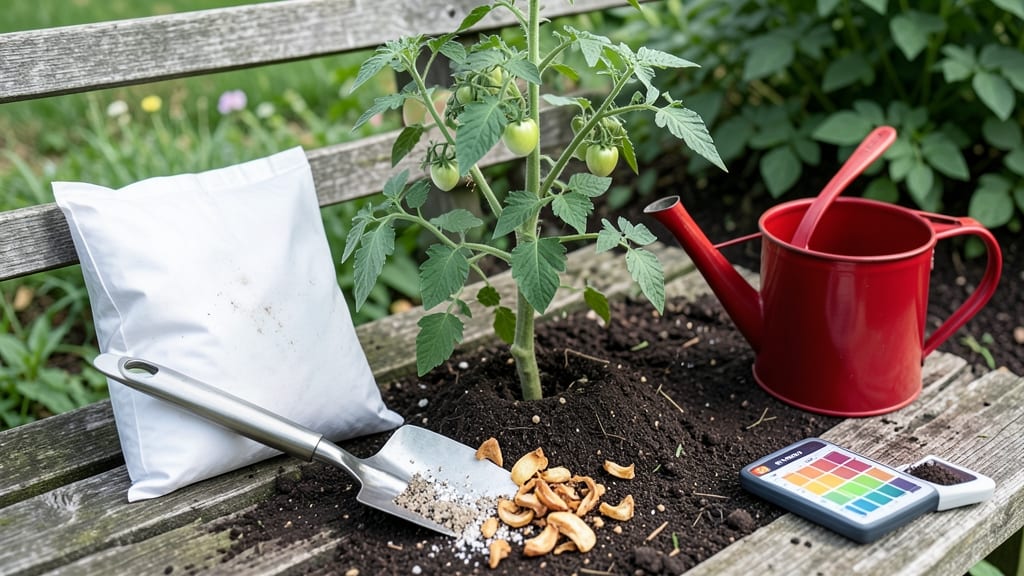
How to add potassium to soil quickly—weak stems and yellowing leaves are classic signs of a deficiency, but you can fix them fast. 🌱 I’ve seen plants recover in as little as 2 weeks using these quick-dissolving methods, whether you prefer organic or inorganic options. The fastest fix is potassium sulfate (instantly available to roots) or wood ash (spread lightly and water in). Banana peels work too, but they take 4-6 weeks to break down—soak them first for quicker results. Avoid overdoing it; too much potassium burns roots just like too little. You’ll notice stronger stems within 5-7 days and deeper green foliage in 2 weeks. The key is even distribution—sprinkle around plants, not directly on leaves, and water thoroughly to activate the nutrients. Works for vegetables, flowers, and fruit trees alike. Just match the method to your timeline—need it today? Go for potassium sulfate. Prefer organic? Try banana peel tea or ash, but plan ahead for slower release.
📚 In This Guide
- What you need
- Instructions
- Tips and common mistakes
- Wrapping up and next steps
What you need
- ● Potassium-rich amendments (pick one or mix): Potassium sulfate (0-0-50): 1–2 lbs per 100 sq ft (fast-acting, ideal for container plants)
- ● Greensand (0-0-10): 2–3 lbs per 100 sq ft (slow-release, great for long-term health)
- ● Wood ash (from untreated wood): ½–1 cup per plant (use sparingly—test soil pH first!)
- ● Compost or organic matter: Well-aged compost: 1–2 inches mixed into top 6 inches of soil
- ○ Banana peels (dried/crushed): 1 cup per plant (optional but potassium-packed!)
- ● Watering can or hose: For even distribution of amendments.
- ● Garden trowel or shovel: For mixing into soil (6–12 inches deep).
- ○ Gloves (optional): To keep hands clean while handling ash or amendments.
- ● Soil pH test kit: Ensure your soil is ready for potassium (ideal pH: 6.0–7.0).
- ● Broadcast spreader: For even application of granules over large areas.
- ● Mulch (straw, leaves, or grass clippings): Helps retain moisture and slow nutrient release.
- ○ Epsom salt (magnesium sulfate): 1 tbsp per gallon of water (optional boost for magnesium-potassium balance).
Quick potassium boost for soil: fast methods for leaf health
When your plants show yellowing edges or weak stems, they’re screaming for potassium. Here’s how to deliver it fast—no waiting for slow-release amendments.
🌱 Step 1: Choose Your Fast-Acting Potassium Source
For immediate results, I reach for potassium sulfate or potassium nitrate—both dissolve instantly in water. These granular fertilizers deliver potassium in a form roots can absorb within hours. Avoid organic options like wood ash or banana peels here; they take days to weeks to release potassium.
Check the label for potassium content (look for K₂O percentage). A 1-0-2 ratio (like 10-0-20) means it’s pure potassium with no nitrogen or phosphorus. Measure ½ teaspoon per gallon of water for a mild boost or 1 teaspoon per gallon for stressed plants. Mix in a watering can and apply directly to the soil.
💧 Step 2: Apply as a Liquid Feed or Soil Drench
Pour the potassium solution at the base of the plant, avoiding leaves. Wet the top 2-3 inches of soil thoroughly—this is where roots actively seek nutrients. For container plants, water until it drains from the bottom. You’ll see damp soil but no standing water; potassium works best when evenly distributed.
Repeat every 7-10 days for persistent deficiencies. Overdoing it causes leaf burn (brown edges) or salt buildup in the soil. If you notice crispy leaf tips after treatment, flush the soil with plain water to dilute excess potassium.
☀️ Step 3: Pair with Watering for Maximum Uptake
Apply the potassium solution during your regular watering schedule. Roots absorb dissolved nutrients most efficiently when soil moisture is already present. If your soil feels dry, water first, then add the potassium mix. This prevents nutrient loss from leaching before roots can take it up.
For sandy or fast-draining soils, split the dose into two applications—morning and evening—to ensure roots have time to absorb it. Watch for darker green leaves and stronger stems within 3-5 days. If improvement stalls after two weeks, your plants may need a secondary nutrient like magnesium or calcium.
✂️ Step 4: Monitor and Adjust for Long-Term Health
After two applications, reassess your plants. Healthy leaves should show firm texture, vibrant color, and no yellowing. If edges still brown, your soil may lack calcium or magnesium—add Epsom salt (magnesium sulfate) or crushed eggshells next. For tomatoes, peppers, and fruiting plants, maintain potassium levels through harvest.
To prevent future deficiencies, test your soil annually with a home kit. If potassium consistently tests low, amend with greensand (slow-release) or kelp meal (organic option) in spring. But for that emergency fix? Liquid potassium is your fastest friend.
Tips & tricks for quick potassium soil boosts
Here’s how to get the most out of your potassium fix without wasting a drop—or burning your plants in the process.
Precision Mixing: When measuring your potassium sulfate or nitrate, use a clean, dry measuring spoon each time. Residual moisture from previous ingredients can clump the granules, leading to uneven distribution. For the ½ teaspoon per gallon ratio, think of it as a pinch of salt—just enough to make a difference without overwhelming. If you’re treating multiple plants, pre-mix the solution in a clean bucket to ensure consistency across all applications.
Targeted Application Strategy: In Step 2, focus on delivering the potassium solution directly to the root zone—the top 2-3 inches of soil—rather than splashing it everywhere. Use a watering can with a narrow spout or a spray bottle for precision. For container plants, water until it drains from the bottom, but avoid letting the solution pool at the base, which can cause root stress. A quick check: damp soil without standing water is your goal.
Timing is Everything: The 7-10 day reapplication window is critical, but don’t rush it. If your plants show early signs of improvement (like firmer stems or slightly darker green leaves) before the 10-day mark, you can extend the interval slightly. However, if you notice crispy leaf edges after treatment, flush the soil immediately with plain water to prevent salt buildup. This is your plant’s way of saying, “I’ve had enough!”
Soil Type Matters: For sandy or fast-draining soils, split the dose into two applications—morning and evening—as the instructions suggest. This isn’t just about convenience; it’s about giving roots time to absorb the potassium before it washes away. Think of it like feeding a child small, frequent meals rather than one big one. You’ll see results faster, and your plants will thank you with stronger growth.
Pro Tips for Add Potassium To Soil Quickly
- Here’s how to get the most out of your potassium fix without wasting a drop—or burning your plants in the process.
- Precision Mixing: When measuring your potassium sulfate or nitrate, use a clean, dry measuring spoon each time.
- Targeted Application Strategy: In Step 2, focus on delivering the potassium solution directly to the root zone—the top 2-3 inches of soil—rather than splashing it everywhere.
Frequently asked questions
Got questions about boosting potassium in your soil fast?
Here are answers to the most common ones—so you can get back to growing lush, healthy plants without the guesswork.
How soon will plants show improvement after adding potassium?
With quick-dissolving methods like liquid fertilizers or compost tea, you may see results in 2–4 weeks—think stronger stems, deeper green leaves, and better fruit/flower development. Organic amendments (like banana peels) take 4–6 weeks to fully break down. Test soil again in 4–6 weeks for accuracy.
Can I add potassium too quickly and burn my plants?
Yes! Overdoing it—especially with synthetic salts like muriate of potash—can burn roots or alter soil pH. Stick to half the recommended dose for a test application, then monitor for wilting or yellowing leaves. Dilute liquid potassium 10x stronger than nitrogen-based fertilizers to play it safe.
What’s the fastest way to add potassium if I don’t have fertilizer?
Use household shortcuts:
- Banana peels: Chop and bury near roots (rich in potassium but slow—best for long-term).
- Wood ash: Sprinkle ½ cup per 10 sq ft (avoid acidic soils like blueberries).
- Epsom salt (magnesium + sulfur): Not potassium, but helps with deficiency symptoms.
Does weather affect how well potassium is absorbed?
Potassium absorbs best in warm (60–85°F), moist soil. Avoid adding it during:
- Heavy rain (leaches nutrients away).
- Extreme heat (can dry out roots before uptake).
- Freezing temps (organic matter breaks down slowly).
How do I know if my soil has enough potassium?
Check with a soil test kit (available at garden centers for ~$20). Ideal levels are 100–300 ppm for most plants. Visual clues of deficiency:
- Yellowing leaf edges (especially older leaves).
- Weak stems or poor flowering/fruiting.
- Slow growth despite plenty of water.
Wrapping up and next steps
Boosting your soil’s potassium levels doesn’t have to be a slow process—with the right techniques, you can see results fast! Whether you’re using quick-dissolving fertilizers, organic amendments, or DIY solutions, your plants will thank you with vibrant, healthy foliage in no time. 🌱
Ready to take action? Start by testing your soil’s potassium levels—then pick the method that best fits your garden’s needs. Happy growing! 🌟