
How To
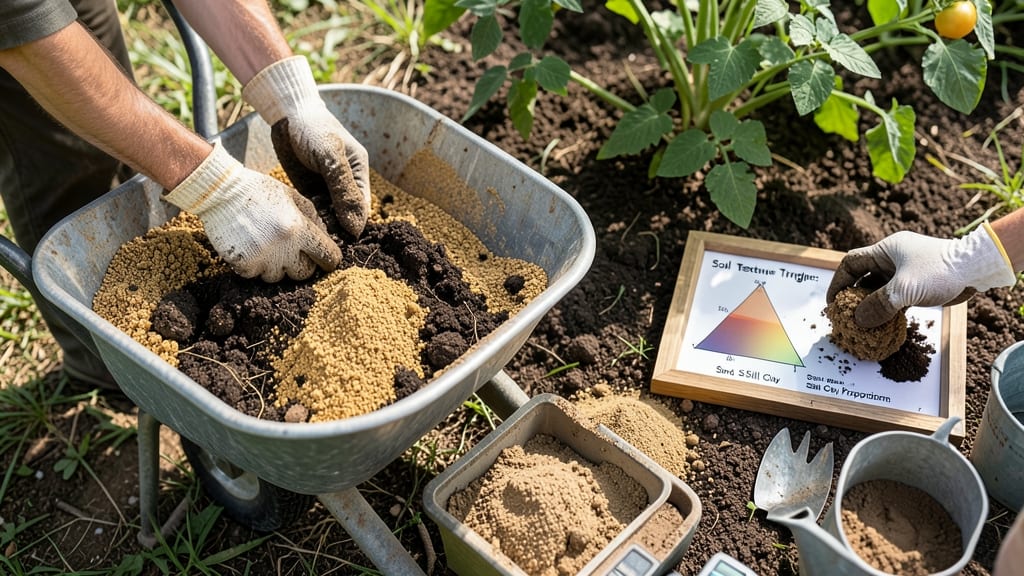
The secret to soil that holds moisture but drains well, feeds plants without burning them, and works in any garden bed is right under your feet—literally. 🌱 Making soil loamy isn’t about buying expensive amendments; it’s about balancing what’s already there with simple organic matter and a little elbow grease.
My first attempt ended in a muddy mess, but now I’ve perfected a method that transforms heavy clay or sandy soil into the ideal growing medium in just a few hours.
You’ll need three key ingredients: compost (for organic matter), sand (to lighten heavy soil), and peat moss or coconut coir (to improve water retention). A basic garden fork, shovel, and wheelbarrow are all the tools required—no fancy equipment needed.
The magic happens when these three components are mixed in roughly equal parts, but the exact ratio depends on your starting soil type.
Once mixed, your loamy soil will crumble easily between your fingers, hold moisture without becoming soggy, and support strong root growth. Plants thrive in this texture because it provides just the right balance of air, water, and nutrients.
The best part? This method works for vegetable gardens, flower beds, and even potted plants—no matter your space or experience level.
Fair warning: Testing your soil’s current composition with a simple jar test (just fill a jar with soil and water, then shake and observe) helps you adjust the mix before you dig.
Overdoing compost can make soil too rich, while too much sand can leave it dry and infertile. Start small, observe how plants respond, and refine as you go—your garden will thank you.
📚 In This Guide
- What you need
- Instructions
- Tips and common mistakes
- Wrapping up and next steps
What you need
- ● Existing Soil: 1 cubic yard (or enough to fill your garden bed). Test its current composition (sandy, clay, or silty).
- ● Organic Matter: Compost: 2–3 buckets per cubic yard of soil (well-aged, nutrient-rich).
- ● Peat Moss or Coco Coir: 1–2 bags (5–10 lbs each) for moisture retention and aeration.
- ● Leaf Mold or Well-Rotted Manure: 1–2 bags (5–10 lbs each) for structure and nutrients.
- ● Amendments for Texture: Sand (Coarse, Builder’s Grade): 1–2 bags (40–50 lbs each) if soil is too clay-heavy.
- ● Perlite or Vermiculite: 1–2 bags (5–10 lbs each) for lightweight aeration.
- ● Tools: Garden fork or broadfork (for turning soil without compacting).
- ● Garden trowel or spade (for mixing amendments).
- ● Wheelbarrow or large bucket (for hauling materials).
- ● Gloves and knee pads (because comfort matters!).
- ● Soil Test Kit: To analyze pH and nutrient levels before amending.
- ● Worm Castings: 1–2 lbs for extra microbial activity and nutrient boost.
- ● Biochar: 1–2 lbs to improve water retention and fertility.
- ● Lime or Sulfur: Adjust pH if needed (follow test kit recommendations).
- ● Rain Barrel or Hose with Nozzle: For post-amendment watering.
How to transform your soil into perfect loamy texture
Here’s how I turn stubborn clay or sandy soil into the ideal loamy blend—just like Mother Nature intended.
🌱 Step 1: Test Your Soil’s Current Texture
Before adding anything, squeeze a handful of damp soil between your fingers. If it forms a tight, hard clump that cracks when dry, you’ve got clay-heavy soil. If it crumbles instantly and feels gritty, it’s sandy. Both extremes need organic matter to become loamy—think of it like adding the perfect binder to a dry cake mix.
Dig a small hole about 6 inches deep and examine the layers. Dark, crumbly soil with visible worm tunnels? You’re already halfway there. If it’s all one dense block, you’ll need more work. This step ensures you don’t overdo it—loamy soil isn’t just about throwing in compost; it’s about balance.
🪴 Step 2: Mix in Organic Matter Gradually
Spread a 2-3 inch layer of well-aged compost or leaf mold over the soil surface. I like to use a mix of composted manure (for nutrients) and shredded leaves (for structure). Avoid fresh manure—it burns plants by releasing too much ammonia too fast. Work it into the top 6 inches of soil using a broadfork or garden fork.
Loamy soil should feel like a damp sponge—light enough to crumble but still hold moisture. If your soil feels sticky after mixing, you’ve added too much clay-rich material. If it falls apart like sand, you need more organic matter. This is where patience pays off; don’t rush the process. I like to do this in early spring or fall when the soil is naturally moist.
☀️ Step 3: Add Bulk for Structure
For clay-heavy soil, blend in coarse sand or perlite to improve drainage. For sandy soil, mix in peat moss or coconut coir to help retain moisture. Use about 10% by volume of these amendments—too much can throw off the balance. Spread them evenly over the soil and fork them in gently, just until they disappear.
Here’s the trick: loamy soil should hold water like a sponge but drain freely. If water pools on top after rain, your soil still needs more bulk. If it dries out too fast, you’ve overdone the sand. This is where observation matters—watch how water behaves after a rainstorm. Adjust with small additions over time.
⏰ Step 4: Let Nature Do the Work
Leave the amended soil alone for at least 3-6 months to settle. This isn’t a quick fix—loamy soil develops as organic matter breaks down and integrates. I like to cover the area with a 2-inch layer of mulch to protect the soil and encourage earthworms, which are the ultimate soil improvers.
After a few months, dig up a small sample again. If it crumbles easily when dry but holds moisture when damp, you’ve succeeded. If not, repeat the process with slightly different ratios. Think of this as a long-term investment—loamy soil keeps improving with each season of organic additions.
🌿 Step 5: Maintain the Texture Long-Term
Once your soil is loamy, keep it that way by adding 1-2 inches of compost annually and avoiding heavy tilling, which disrupts soil structure. I also rotate crops to prevent nutrient depletion and plant cover crops like clover in the off-season to keep organic matter building.
Loamy soil is self-sustaining once established. You’ll notice plants thrive with less watering, fewer fertilizers, and fewer pests. The key is consistency—think of it like maintaining a healthy diet for your garden. With time, your soil will reward you with effortless growth.
Tips & tricks for perfect loamy soil transformation
Real talk: Turning stubborn soil into that ideal loamy texture takes more than just dumping compost and hoping for the best. Here’s how I’ve learned to do it right—without wasting time or money.
Soil Test Precision: In Step 1, when you’re testing your soil’s texture, don’t just squeeze it—roll it into a ball first. If it cracks when dry, that’s your clay indicator. If it crumbles instantly, you’ve got sand. I’ve seen gardeners skip this step and end up over-amending their soil, which can actually make things worse. The key is that initial texture test—it tells you exactly what your soil needs most.
Layering Matters: In Step 2, when spreading that 2-3 inch layer of compost, don’t just scatter it randomly. Work it into the top 6 inches of soil using a broadfork—this creates proper integration. I’ve made the mistake of just piling compost on top, and while it helps, it doesn’t create that perfect loamy texture throughout. Think of it like mixing cake batter: you need even distribution for consistent results. And here’s a pro move: mix in some worm castings (optional) if you have them—they’re like nature’s supercharger for soil structure.
Bulk Addition Strategy: For Step 3, when adding those 10% bulk amendments, measure carefully. I’ve learned this the hard way—adding too much sand to clay soil can actually make it worse by preventing water retention. The goal is balance: clay needs sand for drainage, but not so much that it loses moisture. For sandy soil, peat moss or coconut coir helps retain water without making it compact. Spread these evenly and fork them in just until they disappear—no need to overmix.
Long-Term Observation: In Step 4, when you’re waiting those 3-6 months, don’t just forget about your soil. Check it periodically after rain—if water pools on top, you need more bulk. If it dries out too quickly, you need more organic matter. I’ve seen people give up too soon because they didn’t see immediate results. Loamy soil development is a process, like composting. The 2-inch mulch layer isn’t just decorative—it protects your hard work and encourages earthworms, which are the real soil engineers.
Pro Tips for Make Soil Loamy
- Real talk: Turning stubborn soil into that ideal loamy texture takes more than just dumping compost and hoping for th...
- Soil Test Precision: In Step 1, when you’re testing your soil’s texture, don’t just squeeze it—roll it into a ball fi...
- Layering Matters: In Step 2, when spreading that 2-3 inch layer of compost, don’t just scatter it randomly. Work it i...
Frequently asked questions
Got questions about transforming your soil into a loamy dream? You’re not alone!
Here are the answers to the most common queries—so you can garden with confidence and ease.
How long does it take to turn soil into loamy soil?
Patience is key! With consistent effort, you’ll see noticeable improvements in 4–6 weeks for small gardens. Larger areas or heavily compacted soil may take 3–6 months. Regular testing (like the squeeze test) helps track progress. Pro tip: Add organic matter seasonally for faster results!
Can I make loamy soil without compost?
While compost is ideal, you can use alternatives like well-rotted manure, leaf mold, or peat moss (if sustainable). Mix in sand or perlite for grit and peat or coconut coir for moisture retention. Just ensure the blend mimics loam’s 40% sand, 40% silt, 20% clay ratio.
What’s the best time of year to amend soil for loamy texture?
Fall is the golden window—cool temps and rain help organic matter break down naturally. Spring works too, but avoid extreme heat or freeze-thaw cycles, which can disrupt soil structure. Troubleshooting tip: If amending in summer, water deeply afterward to prevent clumping.
Do I need to till my soil to make it loamy?
Not necessarily! While tilling mixes amendments in faster, it can disrupt soil life. For a gentler approach, top-dress with compost and let worms/aeration do the work. If tilling, go shallow (6–8 inches) to preserve beneficial microbes. Warning: Over-tilling can create a powdery texture—balance is key!
How do I fix loamy soil that’s too sandy or clay-heavy?
| Problem | Solution |
|---|---|
| Too sandy | Add 2–3 inches of compost or peat moss + a sprinkle of clay (like calcium bentonite) to improve water retention. |
| Too clay-heavy | Mix in coarse sand or perlite (5–10%) + organic matter to break up compaction. Gypsum can help too! |
Wrapping up and next steps
Transforming your soil into a loamy paradise is totally within your reach—just mix, amend, and nurture with patience! 🌱 With the right balance of sand, silt, and organic matter, you’ll create a fertile, crumbly foundation that plants will thrive in.
Whether you’re a seasoned gardener or just starting, every small step counts toward healthier roots and bountiful harvests.
Ready to see your garden flourish? Test your soil’s progress in a few months, adjust as needed, and watch your plants reward you with lush growth! 🌟