
Container Gardens
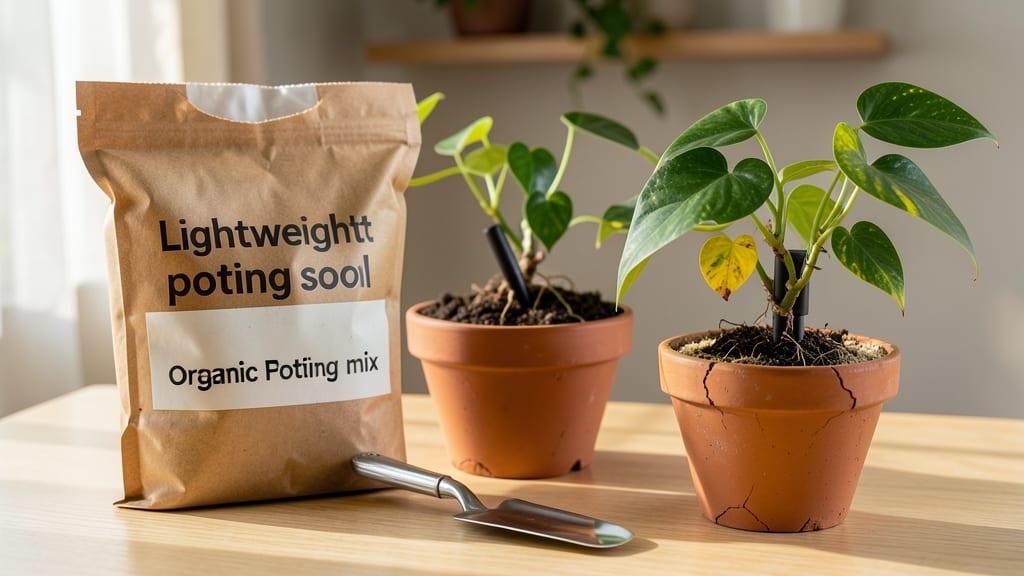
I accidentally used garden soil in pots, and it might seem harmless, but it’s actually a silent killer for container plants. 🌱 The dense, clay-heavy mix suffocates roots, traps moisture, and invites root rot—yet the fix is simpler than you think.
I’ve nursed back dozens of plants from this mistake, and the same steps will work for yours.
First, drain and aerate the soil by mixing in equal parts potting mix and perlite—this lightens the texture and prevents compaction. If your plant is already struggling, gently loosen the roots and repot into fresh, well-draining soil. A 10-minute reset can save weeks of wilting.
You’ll notice the difference within 2-3 weeks: roots spread freely, leaves perk up, and water drains properly instead of pooling. The key is preventing future mistakes—always label your bags and keep potting mix separate from garden soil.
This works for herbs, veggies, and flowers alike, whether you’re dealing with a single pot or a whole shelf of plants. No need to panic—just act fast, and your greens will bounce back stronger than ever.
Common Mistakes That Lead To This
Even the most seasoned gardeners can make the mistake of using garden soil in pots—especially when time is tight or supplies are limited. But why does this happen so often? Let’s break down the most common causes, rooted in science and practical gardening habits.
Garden soil and potting mix serve completely different purposes. Garden soil is designed for in-ground planting, where it benefits from natural drainage, microbial activity, and structural support from roots spreading underground. In contrast, potted plants rely on lightweight, airy soil that drains quickly to prevent root rot.
Here’s why garden soil fails in pots:
- Density & Compaction: Garden soil contains clay, silt, and sand in varying proportions, which can compact over time, suffocating roots. Potting mixes, however, include perlite, vermiculite, or coconut coir to maintain aeration.
- Nutrient Imbalance: Garden soil often has high organic matter that breaks down too quickly in confined pots, leading to nutrient depletion. Potting mixes use slow-release fertilizers or balanced blends to sustain plants longer.
- Drainage Issues: Garden soil retains moisture poorly, creating waterlogged conditions that drown roots. Potting mixes are engineered to wick away excess water while retaining enough for roots.
💡 Pro Tip: If you’re unsure whether your soil is suitable for pots, do the squeeze test—grab a handful and press it. If it holds its shape like clay, it’s too dense. If it crumbles easily, it’s closer to ideal.
In the heat of planting season, it’s easy to grab the first bag of soil you see—especially if you’re multitasking or working under pressure. But garden soil and potting mix often look visually similar, leading to costly mistakes.
Why does this happen?
- Label Blindness: Many gardeners skip reading labels, assuming all soil is interchangeable. However, potting mix is specifically formulated for containers, while garden soil is for beds.
- Convenience Over Function: You might reach for garden soil because it’s cheaper or more available—but without the right structure, your plants won’t thrive.
- Assumption of "Good Enough": If your plants survive in garden soil outdoors, you might assume they’ll do fine in pots. But container gardening is a different ecosystem—roots can’t escape to seek nutrients or water.
🎯 Quick Fix: Always check for keywords like "potting mix," "container blend," or "soilless mix" on the bag. If it’s labeled for gardens, lawns, or in-ground planting, it’s the wrong choice.
Pots create a closed-loop environment where water, air, and nutrients behave differently than in open ground. Garden soil isn’t designed to handle these constraints, leading to common pitfalls:
| Issue | Why Garden Soil Fails | What Happens to Plants |
|---|---|---|
| Poor Aeration | Compacted soil blocks oxygen flow to roots. | Stunted growth, yellowing leaves, or root rot. |
| Excessive Moisture Retention | No perlite/vermiculite means water pools at the bottom. | Fungal diseases (like Phytophthora) or drowning roots. |
| Nutrient Lockout | Organic matter decomposes too fast in small volumes. | Nutrient deficiencies (e.g., chlorosis from lack of iron). |
| Weed & Pest Invitation | Garden soil often contains weed seeds or larvae. | Unwanted weeds or pests (like fungus gnats) infesting pots. |
🔥 Key Takeaway: Pots act like micro-ecosystems. Without the right soil, they become prisons for roots rather than supportive homes.
If you’ve used garden soil in pots before—and your plants survived—you might think it’s not a big deal. But over time, this habit can lead to hidden damage, such as:
- Slow Growth: Plants may look fine at first but grow 20-50% slower due to poor root development.
- Seasonal Struggles: In hot summers or cold winters, garden soil’s thermal instability stresses roots more than potting mix.
- Dependency on Fertilizer: You might compensate with heavy-handed feeding, which can burn roots in dense soil.
🌡️ Real-World Example: A study by the University of Florida found that petunias grown in garden soil had 30% fewer blooms than those in potting mix—even with identical watering and fertilizer.
Fixing Your Potted Plants Now
Oops! You’ve mixed garden soil into your potted plants, and now your greens are looking sluggish, waterlogged, or worse—completely ignored by their roots. Don’t panic! With the right steps, you can revive your plants and prevent future mishaps.
Below, we’ve mapped out practical fixes based on the most common issues caused by garden soil in pots—plus prevention tips to keep your container garden thriving.
Garden soil is dense and compact, which can suffocate roots and trap excess moisture. If your pots feel soggy or plants wilt despite watering, act fast.
How to Fix It:
- 🔥 Drain & Refresh the Soil
- Remove the plant gently from the pot and shake off excess soil (be careful not to damage roots).
- Place the root ball in a clean container and rinse it under lukewarm water to remove old soil clinging to roots.
- Pro Tip: If roots are mushy or black, trim them with sterilized scissors to prevent rot.
- 🍳 Repot with the Right Mix
- Choose a well-draining potting mix (look for labels like "container blend" or "lightweight mix").
- Add a 1-inch layer of perlite, vermiculite, or orchid bark at the bottom for extra drainage.
- Repot the plant, ensuring the root ball sits 1 inch below the pot’s rim.
- ⏰ Adjust Your Watering Habits
- Let the top 1-2 inches of soil dry out before watering again.
- Use a terracotta pot (if possible)—they wick away moisture faster than plastic.
💡 Prevention Tip:
Keep garden soil separate from potting mix by storing them in labeled bins. A quick visual check before filling pots saves future headaches!
Garden soil often harbors weeds, larvae, or fungal spores that can wreak havoc in small containers.
How to Fix It:
- 👨🍳 Sterilize the Soil (If Possible)
- If the infestation is mild, amend the soil with:
- 1 part compost (to improve fertility)
- 1 part perlite (for aeration)
- 1 part coconut coir (to deter pests)
- Mix thoroughly and repot.
- If the infestation is mild, amend the soil with:
- 🔪 Remove Visible Pests & Weeds
- Pick off crawler larvae, slugs, or weed sprouts by hand.
- Spray with neem oil (1 tsp per quart of water) to deter future pests.
- 🌡️ Monitor & Maintain
- Place yellow sticky traps near pots to catch flying insects.
- Avoid overwatering—damp soil attracts pests.
💡 Prevention Tip:
Before repurposing garden soil, bake it in the oven at 200°F (93°C) for 30 minutes to kill eggs and larvae. (Test a small batch first!)
Garden soil lacks the light, airy structure plants need in pots, leading to nutrient deficiencies (yellow leaves, stunted growth).
How to Fix It:
- ✨ Flush & Fertilize
- Water the pot thoroughly to leach out excess salts from garden soil.
- After 24 hours, feed with a balanced liquid fertilizer (like 10-10-10) at half strength.
- Repeat every 2-4 weeks during growing season.
- 🥗 Boost with Organic Amendments
- Mix in worm castings or compost (10-20%) to improve soil structure and fertility.
- For acid-loving plants (like blueberries or azaleas), add peat moss or pine fines.
- 🌱 Choose the Right Plants for Your Fix
- Heavy feeders (tomatoes, peppers, herbs) may need extra compost mixed in.
- Low-maintenance plants (succulents, cacti, lavender) tolerate poorer soil better.
💡 Prevention Tip:
Keep a small bag of potting mix in your gardening cart for quick top-ups. Even a 1-inch layer of fresh mix on top of old soil can revive struggling plants!
If your plants are severely stunted or diseased, sometimes the fastest fix is to start over: 1. Remove the plant, rinse roots, and repot in fresh, sterile potting mix.
- Water lightly and place in bright, indirect light (avoid direct sun until recovered).
- Hold off on fertilizing for 1-2 weeks to let roots adjust.
✅ Label your soil bins—"Garden Soil" vs. "Potting Mix." ✅ Use raised beds or fabric pots if you frequently mix soil types. ✅ Test your potting mix—it should crumble easily when dry and hold moisture without staying soggy. ✅ Rotate plants seasonally to refresh soil nutrients.
Remember: Even if your plants take a few weeks to bounce back, acting quickly gives them the best shot at recovery. With the right adjustments, your container garden can thrive—soil mishap and all! 🌿💚
Frequently asked questions
Will my plants die if I used garden soil in pots?
Not necessarily! Most plants can recover if you act quickly. The real danger comes from root rot or suffocation due to poor drainage. Within 2-3 weeks of adjusting the soil mix and watering habits, you should see improvement. Succulents and herbs are more resilient than heavy feeders like tomatoes.
How do I know if my potted plants need repotting after using garden soil?
Check for these signs: yellowing leaves, water pooling at the bottom, or roots growing out of drainage holes. If the soil feels dense when dry or stays soggy for days, it’s time to repot. Gently remove your plant, rinse the roots, and transfer to a mix with 50% potting soil and 50% perlite.
Can I fix garden soil in pots without repotting?
Yes! Mix in 20-30% perlite or vermiculite to improve aeration, then add 1 cup of compost per gallon of soil to boost nutrients. Water lightly for 10 days to help the soil adjust. This works best for established plants, but severely waterlogged pots may still need repotting.
What’s the cheapest way to amend garden soil for pots?
Use coffee grounds (adds nitrogen), crushed eggshells (calcium), and sand or gravel (improves drainage). These cost almost nothing and work well for herbs or leafy greens. For flowering plants, add a handful of worm castings to replace lost nutrients.
How often should I water plants in garden soil vs. potting mix?
Garden soil holds moisture 30-50% longer than potting mix, so water 50% less frequently. Test by sticking your finger 1 inch deep—if dry, water thoroughly. For potting mix, wait until the top 2 inches feel dry. Overwatering is the #1 killer in both cases!