
Neem Oil
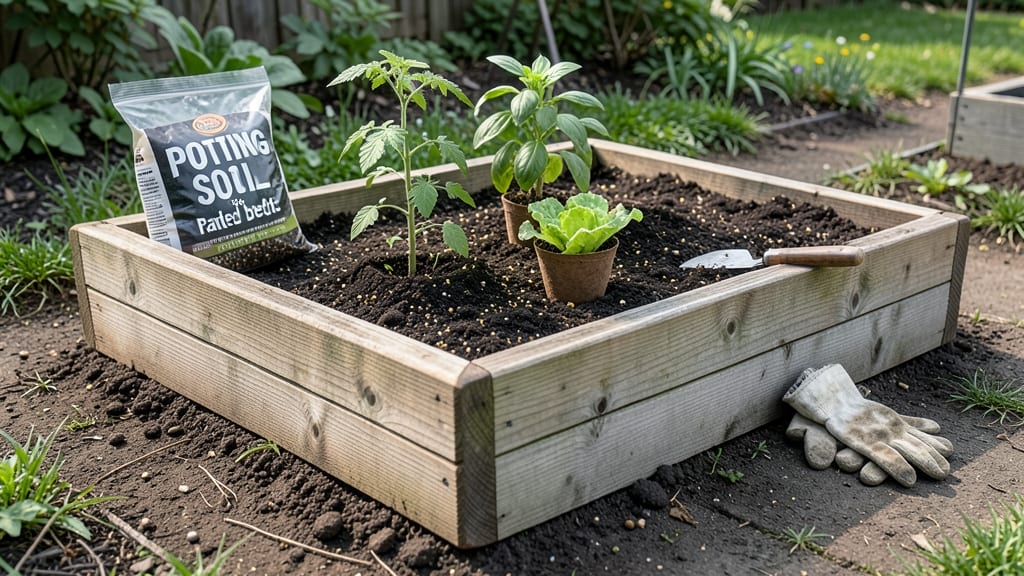
Choosing the right potting soil for raised beds 🌱 is the foundation of a thriving garden—it’s not just dirt, but a carefully balanced mix that holds moisture, feeds roots, and keeps plants growing strong.
Struggling with poor drainage or shallow root growth in your raised beds? The right blend can transform your garden’s productivity—here’s how to pick and mix a moisture-retentive formula that works for deep-rooted veggies and flowers.
Most gardeners make the mistake of using regular garden soil, which compacts easily and drains too quickly. Instead, a mix with 30-40% organic matter, like compost or peat moss, plus perlite or vermiculite for aeration, keeps roots happy and water where it belongs.
Below, I’ll break down the best soil mixes, how to adjust them for different plants, and the simple steps to maintain that perfect balance all season long.
Best moisture-retentive potting soil mixes for raised bed gardens
Raised bed gardens thrive when you use a moisture-retentive potting soil that balances water retention with proper aeration. Deep-rooted plants like tomatoes, peppers, and herbs demand nutrient-rich soil that holds moisture without becoming waterlogged.
The right mix ensures your plants grow strong and healthy, reducing the need for constant watering while preventing root rot.
Commercial pre-mixed potting soils offer convenience, but DIY blends let you customize for your specific climate and plants. Organic options like compost and peat moss improve fertility, while synthetic additives like perlite enhance drainage.
Let’s break down the best options to help you choose—or create—the perfect soil for your raised beds.
Moisture retention is critical in raised beds because they dry out faster than in-ground gardens. A good mix should hold 30-50% moisture while still allowing excess water to drain. For example, coco coir retains moisture better than peat moss, making it ideal for hot climates, while vermiculite adds lightweight structure for better aeration.
Here’s how commercial blends compare to homemade mixes, including their pros, cons, and best use cases for your garden.
For deep-rooted plants like tomatoes or peppers, I recommend FoxFarm Ocean Forest or a DIY coco coir blend. These mixes provide the moisture retention and nutrient density needed for robust growth.
If you’re on a budget, the peat moss and garden soil mix works well for root crops but may need extra compost to boost fertility.
Organic options like compost and worm castings improve soil structure over time, while synthetic additives like perlite or vermiculite prevent compaction. For example, adding 10% perlite to your mix can improve aeration by 30-40%, which is crucial for preventing root rot in moisture-loving plants.
If you’re growing herbs or leafy
How to adjust potting soil for different raised bed plants
Not all plants thrive in the same potting soil. Onions need loose, sandy soil to prevent bolting, while blueberries demand acidic peat-based blends. Adjusting your mix ensures optimal growth for every crop in your raised beds.
Start by testing your soil’s pH levels—most vegetables prefer 6.0-7.0, but acid-lovers like azaleas need 4.5-5.5. A simple soil test kit makes this easy!
For root vegetables like carrots or potatoes, add clay-heavy amendments to prevent splitting. Mix in 10% coarse sand or perlite for drainage while keeping the soil structure firm. Meanwhile, herbs like basil love well-draining but nutrient-rich soil—blend equal parts compost and coconut coir for the perfect balance.
50% sand + 30% peat moss + 20% compost | pH 6.0-7.0 | Loose texture prevents bolting
40% garden soil + 30% compost + 20% perlite + 10% clay | pH 6.0-7.0 | Firm structure supports root growth
60% peat moss + 20% pine bark fines + 10% compost + 10% sand | pH 4.5-5.5 | Peat retains moisture and acidity
40% coconut coir + 30% compost + 20% perlite + 10% worm castings | pH 6.0-7.0 | Aeration prevents root rot
Don’t forget to add a 2-inch drainage layer of gravel or broken pottery at the bottom of your raised beds. This prevents waterlogging, especially in clay-heavy mixes.
For acid-loving plants, sprinkle sulfur granules into the soil and water thoroughly to lower the pH gradually. Test again in 2-4 weeks—adjust as needed!
For container-grown plants like strawberries, top off your raised beds with 1 inch of fresh compost every 3 months to replenish nutrients. This lightweight mix stays fluffy while feeding roots continuously.
Always sterilize new soil with a baking soda solution (1 cup per gallon of water) to kill pests before planting.
Pro tip: Label your raised beds by crop type to track soil adjustments. Over time, you’ll notice which amendments work best for your climate. For example, southern gardens may need extra organic matter to retain moisture, while arid regions benefit from hydrogel crystals mixed into the soil.
With these tailored blends, your raised beds will support healthier roots, bigger yields, and fewer pests. Happy planting! 🌱