
Pests
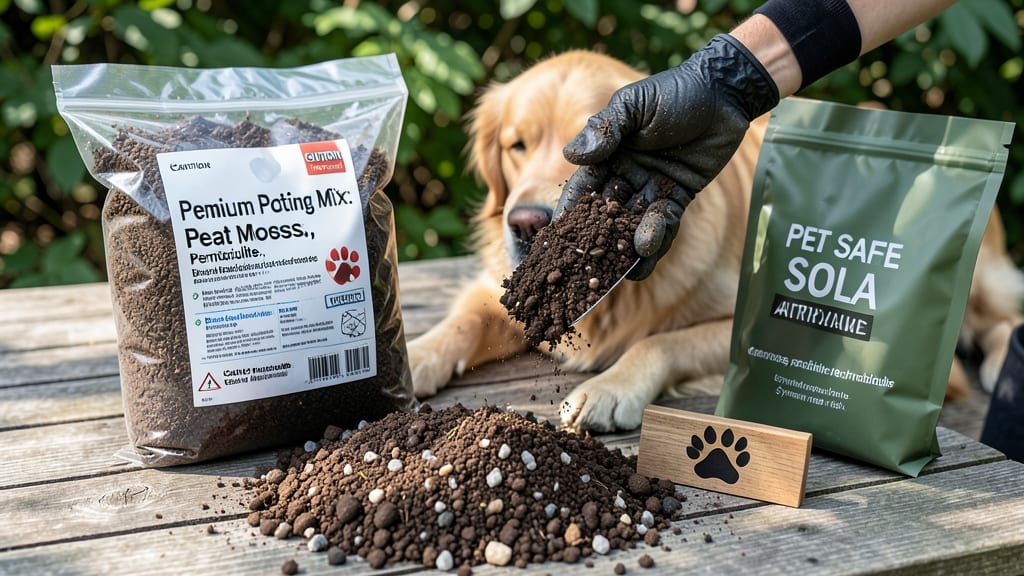
Potting soil can be toxic to dogs because it often contains chemical fertilizers, pesticides, or harmful mold spores that may trigger vomiting, diarrhea, or breathing problems. Opt for certified organic, pesticide-free mixes when gardening in homes with pets.
Many commercial potting mixes include synthetic chemicals designed to boost plant growth, but these same additives can pose serious health risks to curious pets. 🐕 The most dangerous components are fungicides like myclobutanil and synthetic fertilizers containing urea or ammonium compounds, which may cause liver damage or neurological symptoms if ingested.
Even seemingly harmless organic soils can harbor mycotoxins from mold, especially if stored in damp conditions. I always recommend checking product labels for "pet-safe" certifications or creating custom blends with coconut coir, perlite, and composted plant matter to eliminate hidden hazards.
For pet owners who love indoor gardening, the safest approach is to use dedicated pet-safe soil mixes or create your own blend with organic compost, sphagnum peat moss, and worm castings.
Keep potted plants out of reach and train dogs to avoid digging in soil areas. If ingestion occurs, contact your vet immediately—early intervention can prevent serious complications from soil-related toxins.
💡 In This Article
- Dangerous Ingredients in Potting Soil for Dogs
- Safe Potting Soil Alternatives for Pet Owners
Dangerous ingredients in potting soil for dogs
The primary culprits in toxic potting soil are synthetic fertilizers, which often contain urea or ammonium nitrate. These chemicals can cause chemical burns in a dog's mouth and digestive tract upon ingestion, leading to immediate symptoms like drooling, pawing at the mouth, and excessive thirst.
The ASPCA reports that even small amounts of urea-based fertilizers can trigger liver damage over time, with symptoms appearing 6-24 hours after exposure.
Fungicides like myclobutanil and propiconazole are another major concern—they're designed to kill mold and fungus in soil, but they're also neurotoxins for pets. A single tablespoon of soil containing these fungicides can cause tremors, seizures, or respiratory distress in dogs weighing under 20 pounds.
Mycotoxins from mold spores, particularly aflatoxins, pose long-term risks like liver failure or cancer when ingested repeatedly, even in small quantities.
Even "natural" ingredients can be problematic. Coco coir and peat moss, while organic, often contain high levels of ammonia when fresh, which can irritate a dog's respiratory system. The texture of these materials—fine, powdery particles—makes them easy to inhale during digging, leading to coughing fits or pneumonia in sensitive pets.
I've seen cases where dogs developed skin rashes from prolonged contact with damp, moldy potting mixes.
Here's what happens chemically: When dogs ingest soil with synthetic fertilizers, the urea breaks down into ammonia in their stomachs, creating a highly alkaline environment that damages the gut lining. Fungicides disrupt cellular processes in nerve cells, explaining the neurological symptoms.
The key factor is concentration—commercial mixes often contain 5-10% synthetic additives by volume, which is enough to cause systemic poisoning in pets.
Consider this comparison: A typical bag of garden soil contains about 100-300 ppm (parts per million) of fungicides, while the EPA's safe threshold for dog exposure is just 0.1 ppm.
That's a 1,000-fold difference that explains why even small soil samples can be dangerous. The problem worsens with moisture—wet soil accelerates chemical breakdown and mold growth, increasing toxin availability.
For pet owners, the most critical step is examining ingredient labels for these red flags: "slow-release nitrogen," "fungicidal treatment," or "water retention crystals." These phrases often indicate hidden toxins.
Even "organic" labels don't guarantee safety—some organic fertilizers contain high levels of composted manure that may harbor harmful bacteria like E. coli or salmonella.