
Tools
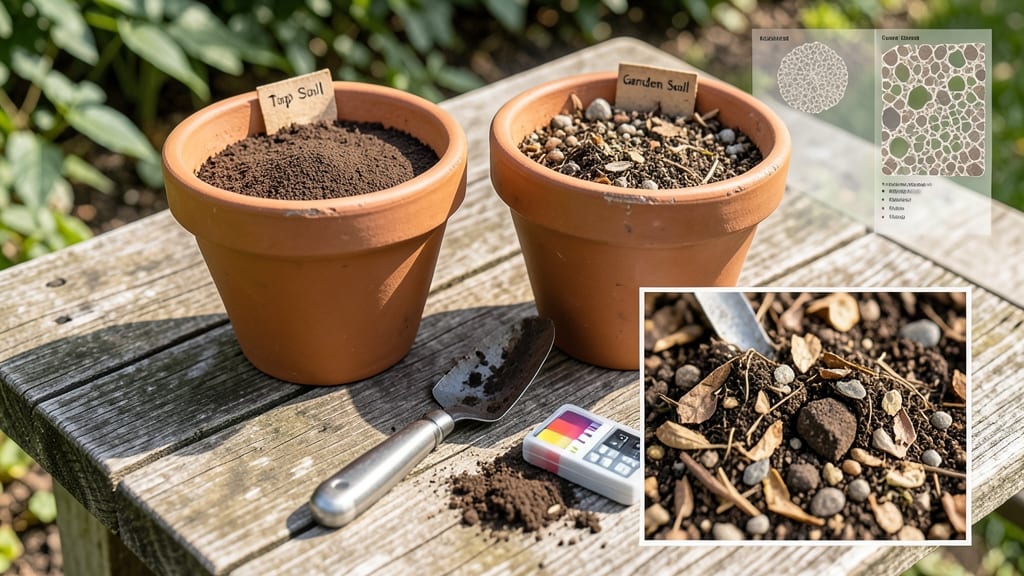
Top soil and garden soil are not the same: top soil is the nutrient-rich uppermost layer of earth, naturally formed from decomposed organic matter and minerals, while garden soil blends top soil with compost, sand, or other additives to create a customized growing medium.
Top soil is what you find naturally in forests or meadows—the dark, crumbly layer packed with organic material that supports plant roots.
Garden soil, on the other hand, is a manufactured mix designed for specific purposes, like improving drainage or fertility. 🌱 For instance, top soil works best for leveling uneven ground or establishing new lawns, while garden soil shines in raised beds where you need extra nutrients for vegetables.
The key difference lies in their consistency and purpose: one is nature's gift, the other is tailored for your garden's needs.
If you're unsure which to use, consider your project's requirements. Top soil provides a solid foundation for large areas, while garden soil offers targeted benefits for delicate plants. Testing your soil's pH and nutrient levels can help you decide which type—or blend—will work best for your specific plants.
💡 In This Article
- Composition Differences Between Top Soil and Garden Soil
- Choosing the Right Soil for Your Plants and Garden Projects
Composition differences between top soil and garden soil
Top soil forms naturally over centuries through the decomposition of leaves, plants, and other organic materials mixed with minerals from the earth. This process creates a layer typically 2-8 inches deep, packed with 5-10% organic matter and essential nutrients like nitrogen, phosphorus, and potassium.
The texture is usually loamy—meaning it balances sand, silt, and clay—giving it that familiar crumbly feel when you dig your fingers into it. 🌱 In contrast, garden soil is a human-made blend, often combining top soil with additional amendments like compost, peat moss, or perlite to achieve specific properties.
The organic matter in top soil acts like a slow-release fertilizer, feeding plants steadily over time.
For example, a healthy top soil might contain 1-2% humus, which improves water retention and aeration, while garden soil can have up to 30% compost for faster nutrient delivery. pH levels also differ: natural top soil often ranges from 6.0 to 7.5, while garden soil blends might be adjusted to 5.5 to 6.5 for acid-loving plants like blueberries.
The mineral composition varies too—top soil contains native clay and sand ratios, while garden soil might include coarse sand to improve drainage or coconut coir for moisture retention.
Texture plays a critical role in how these soils behave. Top soil’s natural structure supports root penetration, but it can compact over time, especially in high-traffic areas. Garden soil, however, is engineered to address specific issues—like adding vermiculite to retain moisture or bark fines to prevent compaction.
For instance, if you’re growing vegetables, a garden soil mix might include 20% compost and 10% perlite to create a fluffy, nutrient-rich medium that top soil alone can’t match. This customization is what makes garden soil ideal for containers or raised beds where plants have limited space to spread roots.
Another key difference lies in their nutrient profiles. Top soil provides a balanced foundation, but its nutrient levels fluctuate seasonally as organic matter decomposes. Garden soil, however, delivers a more consistent boost thanks to added fertilizers or organic amendments.
For example, a bag of garden soil labeled for tomatoes might include bone meal (for phosphorus) and kelp meal (for micronutrients), while top soil would rely solely on what nature provides.
This targeted enrichment is why garden soil is often preferred for high-yield crops or delicate plants that need precise growing conditions.
Consider the visual and tactile differences: top soil looks like dark, earthy crumbs with visible plant debris, while garden soil might appear lighter, fluffier, and more uniform.
The smell also gives clues—top soil has a rich, earthy aroma, whereas garden soil can carry a fresher, almost sweet scent from added compost. These sensory cues help gardeners quickly identify which type they’re working with, even before digging in. 🌿
Understanding these compositional differences is the first step in selecting the right soil for your garden. Whether you’re laying a new lawn or planting a vegetable patch, matching the soil’s properties to your project’s needs will determine how well your plants thrive.
For example, top soil is perfect for leveling a yard, while garden soil excels in creating a nutrient-dense environment for root vegetables like carrots or potatoes.