
Propagation
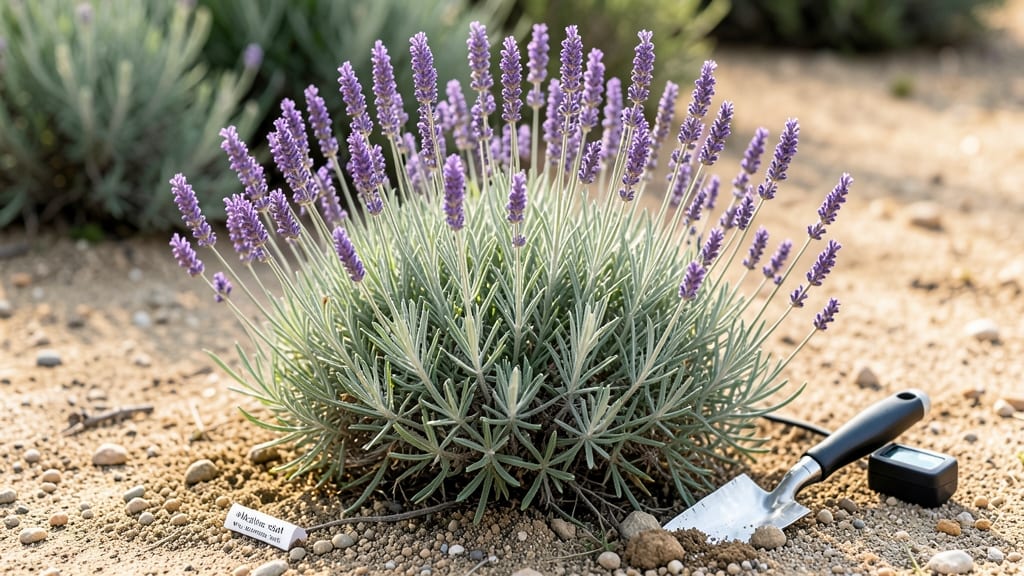
The right lavender soil type is the game-changer between fragrant blooms and struggling plants.
If you’ve ever planted lavender only to watch it wilt or refuse to bloom, the issue is almost always the soil. 🌿 Lavender craves a well-draining, sandy loam mix that mimics its Mediterranean roots—too much moisture or heavy clay spells disaster.
Below, I’ll break down exactly what your lavender needs to thrive, from pH levels to soil amendments that keep roots happy and blooms abundant.
Most gardeners make the mistake of assuming any "good" soil will work, but lavender is picky. It demands fast-draining conditions to prevent rot, a slightly alkaline pH (around 6.5–7.5), and minimal organic matter that could compact over time.
The good news? With a few simple adjustments, you can create the perfect foundation—whether you’re planting in-ground or containers.
Ready to transform your lavender from lackluster to lush? You’ll learn how to test your soil, amend it for optimal drainage, and avoid common pitfalls that kill lavender before it even takes root. Let’s get started.
Why sandy loam soil is essential for healthy lavender growth
Lavender isn't just a fragrant beauty—it's a Mediterranean native that demands well-draining sandy loam soil to thrive. This soil type mimics its natural habitat, where hot, dry summers and rocky terrain prevent waterlogging.
Without proper drainage, lavender roots suffocate, leading to root rot and stunted growth. The ideal mix balances aeration, moisture control, and nutrient availability, all critical for robust lavender plants.
In its native environment, lavender grows in alkaline, mineral-rich soils with excellent drainage. The sandy texture allows excess water to escape quickly, while the loam component retains just enough moisture and nutrients.
This balance prevents both drought stress and waterlogged roots—two common killers of lavender. When you replicate these conditions, you create the perfect foundation for fragrant, long-lasting blooms.
Here’s why sandy loam is non-negotiable for lavender: it promotes root aeration, reduces compaction, and mimics the Mediterranean climate’s dry, rocky soil. Without it, even the hardiest lavender varieties struggle. Let’s break down the science and how to achieve it in your garden.
| Soil Characteristic | Lavender Requirement | Why It Matters |
|---|---|---|
| Texture | Sandy Loam (60% sand, 30% silt, 10% clay) | Prevents compaction; mimics Mediterranean rocky soil |
| Drainage | Fast-draining (excess water drains within 1 hour) | Avoids root rot; replicates dry summer conditions |
| pH Level | 6.0–8.0 (neutral to alkaline) | Supports nutrient uptake; matches native soil chemistry |
| Organic Matter | 5–10% compost or well-rotted manure | Enhances fertility without compacting soil |
| Moisture Retention | Low (dries out between waterings) | Prevents waterlogged roots; drought-tolerant growth |
The sandy component of lavender soil is crucial because it prevents soil from becoming waterlogged during infrequent rainfalls. In Mediterranean climates, lavender experiences long dry spells followed by sudden downpours. The sandy texture ensures water drains away quickly, while the loam holds just enough moisture for roots to access.
This dual function is what keeps lavender thriving in both pots and garden beds.
Another key factor is the alkaline pH range of 6.0–8.0. Lavender prefers slightly alkaline soil, which is common in limestone-rich Mediterranean regions. If your soil is too acidic, the plant struggles to absorb essential nutrients like calcium and magnesium.
Testing your soil’s pH before planting is a game-changer—it’s the first step to replicating lavender’s ideal growing conditions.
Let’s talk about root aeration, which is often overlooked but vital for lavender. Compacted soil restricts oxygen flow to roots, leading to weak growth and poor flowering. Sandy loam’s loose structure allows roots to spread freely, accessing both air and nutrients.
This is why lavender planted in heavy clay or dense soil often fails to thrive—its roots can’t breathe, and the plant becomes stressed.
Replicating Mediterranean conditions isn’t just about soil texture—it’s also about moisture control. Lavender is drought-tolerant, but it despises soggy roots. The sandy loam mix ensures excess water evaporates or drains away, while the loam component retains enough moisture for the plant’s needs.
This balance is what allows lavender to survive in both dry and slightly moist conditions without succumbing to rot or dehydration.
For container gardening, sandy loam is even more critical because pots drain faster and can dry out quickly. Adding perlite or coarse sand to potting mixes improves drainage, while a small amount of compost provides nutrients.
Avoid heavy garden soil—it compacts easily and holds too much moisture, creating the perfect conditions for root rot in lavender.
One common misconception is that lavender needs poor soil to thrive. While it does prefer lean conditions, "poor" usually means nutrient-deficient rather than well-balanced. Sandy loam provides just enough organic matter (like compost) to support growth without overwhelming the plant.
Think of it as a minimalist approach—lavender doesn’t need rich soil, but it does need soil that mimics its natural environment.
If you’re in a region with clay-heavy soil, don’t despair—amending it with sand, perlite, and compost can transform it into lavender-friendly loam. Start by testing your soil’s drainage: if water pools on the surface after 30 minutes, you’ll need to add more sand or organic matter.
The goal is to create a soil that’s loose, well-draining, and slightly alkaline, just like lavender’s Mediterranean homeland.
In summary, sandy loam soil is the foundation of healthy lavender growth because it replicates the plant’s natural conditions—well-draining, alkaline, and aerated. By prioritizing soil texture, pH, and moisture control, you’ll set your lavender up for success, whether you’re growing it in pots, garden beds, or containers.
The result? Fragrant, long-lasting blooms that thrive year after year.
How to amend your soil for optimal lavender planting conditions
Creating the perfect lavender soil type starts with understanding its Mediterranean roots. Lavender thrives in well-draining sandy loam that mimics the rocky, nutrient-poor soils of its native habitat. This soil mix prevents root rot while providing just enough nutrients for vibrant blooms.
If your garden soil is heavy clay or dense loam, don't worry—simple amendments can transform it into lavender-friendly soil in just a few steps.
Before amending, test your soil's drainage and pH levels. Lavender prefers a neutral to slightly alkaline pH (6.5-7.5) and soil that dries out quickly.
A simple jar test for drainage (fill a jar with soil and water, then observe how fast water drains) will reveal if your soil needs more sand or organic matter. Most garden centers sell affordable soil test kits to check pH and nutrient levels accurately.
🌱 Lavender Soil Type: Pros and Cons of Common Amendments
✅ Sand
Pros: Improves drainage, mimics Mediterranean conditions, prevents root rot.
Cons: Can wash away nutrients, may require frequent replenishment.
✅ Perlite
Pros: Lightweight, improves aeration, retains moisture without compacting.
Cons: Can be expensive, may require mixing with other amendments.
✅ Compost
Pros: Adds organic matter, improves soil structure, provides nutrients.
Cons: Too much can make soil too dense; use sparingly (10-20%).
✅ Gravel
Pros: Enhances drainage, mimics rocky Mediterranean soil, prevents compaction.
Cons: Can be too coarse; best mixed with sand and loam.
To create the ideal lavender soil mix, combine 60% coarse sand, 30% loam, and 10% organic matter (like compost or well-rotted manure). For example, in a 5-gallon container, mix 3 gallons of sand, 1.5 gallons of loam, and 0.5 gallons of compost.
This ratio ensures optimal drainage while providing essential nutrients. If your soil is already sandy, reduce the sand proportion to 50% and increase loam to 40% to retain slightly more moisture.
For in-ground planting, dig a hole twice as wide as the lavender root ball and mix the amendments directly into the native soil. Work the amendments into the top 12 inches of soil to ensure roots encounter the ideal conditions immediately.
After planting, apply a 1-inch layer of gravel or pebbles around the base to further improve drainage and deter weeds. This mulch also helps regulate soil temperature, which lavender loves.
If your soil is heavy clay, consider planting lavender in raised beds or containers. Fill containers with the sandy loam mix described above and ensure they have drainage holes. For raised beds, line the bottom with a 2-inch layer of gravel before adding your amended soil.
This dual-layer approach mimics the natural rocky terrain lavender thrives in, ensuring your plants stay healthy and fragrant for years.
After amending, water deeply but infrequently—lavender hates soggy roots. Let the soil dry out completely between waterings, and avoid fertilizing heavily, as lavender prefers lean soil.
With the right lavender soil type and care, your plants will reward you with abundant purple blooms and a heavenly fragrance that lasts all summer. 🌿