
Fertilization
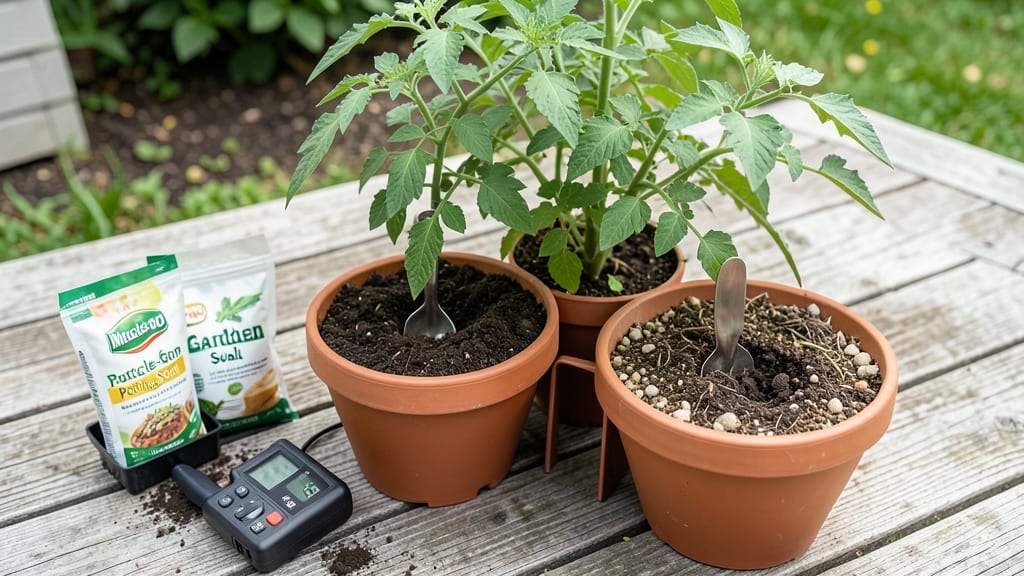
When deciding between Miracle-Grow potting soil and garden soil, your plants' success depends on where they'll grow. 🌱 I've used both for years—potting soil for containers and garden soil for in-ground beds—and each has its strengths.
The key difference lies in their composition: potting soil is lightweight with added nutrients, while garden soil is heavier and better for long-term root growth.
Miracle-Grow potting soil is designed for containers, raised beds, and seed starting. It contains organic matter and slow-release fertilizer, making it ideal for plants that need consistent nutrients. However, it can dry out faster and may not hold moisture well in ground-level planting.
Garden soil, on the other hand, is denser and better suited for in-ground planting, where roots can spread freely.
For vegetables like tomatoes and peppers, a 50/50 mix of potting soil and garden soil often works best—combining the nutrients of potting soil with the stability of garden soil. If you're growing flowers in pots, stick with potting soil for its balanced nutrients and drainage.
The cost difference comes down to convenience: potting soil is pricier but saves time and effort for container gardening.
Here’s the bottom line: use potting soil for containers and raised beds, garden soil for in-ground planting, and mix them for vegetable gardens needing both structure and nutrients. Your plants will thank you for the right match!
The first product explained
Miracle-Grow Potting Soil is a powerhouse for indoor and container gardening, designed to give your plants the perfect head start with its nutrient-packed formula. 🌱 Whether you're growing herbs on a sunny windowsill, nurturing houseplants, or filling raised garden beds, this soil is engineered to deliver fast, visible results. Let’s dive into what makes it stand out!
Key Specs & Features
Miracle-Grow Potting Soil is a pre-mixed, all-purpose blend that combines peat moss, compost, and essential nutrients to create an ideal growing medium. Here’s what you’ll love:
- Fast-acting nutrients: Includes controlled-release fertilizer to feed plants for up to 6 months, reducing the need for frequent top-ups.
- Moisture retention: Balanced formula helps retain water while preventing soggy roots, making it great for both thirsty and drought-tolerant plants.
- Lightweight & fluffy: Perfect for containers, as it won’t compact over time like traditional garden soil.
- pH-balanced: Optimized for most plants (ideal pH range: 5.5–6.5), though it may need adjustments for acid-loving plants like blueberries.
- Weed-free & sterilized: No surprises—just pure, clean soil ready for planting.
Who Is It For?
This soil is a game-changer for:
- 🏡 Indoor gardeners: Herbs, succulents, and houseplants thrive in its nutrient-rich environment.
- 🌿 Container & raised bed growers: Ideal for tomatoes, peppers, and flowers in pots or small spaces.
- 🚫 Beginners & busy gardeners: No guesswork—just add plants and watch them grow!
- 🌱 Vegetable & herb enthusiasts: Supports faster germination and healthier yields.
Price Point & Value
Miracle-Grow Potting Soil is affordably priced, typically ranging from $5–$15 per 2–4 cubic feet bag, depending on the retailer and size. For the cost of a few meals out, you get a high-performance growing medium that outperforms generic garden soil in containers.
Plus, its long-lasting nutrients mean you won’t need to repot as often—saving you time and money in the long run!
Pro tip: 💡 Mix it with perlite or vermiculite (10–20%) for even better drainage if growing in containers!
The second product explained
🌱 Let’s dig into the classic choice for outdoor gardening—garden soil! If you’re dreaming of a thriving vegetable patch, lush flower beds, or a vibrant lawn, traditional garden soil is the backbone of your project. Unlike its potting soil cousin, garden soil is designed for in-ground planting, offering a natural, nutrient-rich foundation for plants to stretch their roots and flourish. But what makes it stand out? Let’s break it down.
📏 Specs & Features
Garden soil is all about natural composition and long-term sustainability. Here’s what you can expect:
- Texture: A balanced mix of sand, silt, and clay (ideal for drainage and aeration).
- Nutrient Density: Packed with organic matter (like decomposed leaves, compost, or manure) for gradual nutrient release.
- pH Balance: Typically neutral to slightly acidic (6.0–7.5), but can vary by region and soil type.
- Microorganisms: Teeming with beneficial bacteria and fungi that boost plant health.
- Durability: Built to last—once amended, it retains structure and fertility for years.
🎯 Who’s It For?
Garden soil is the go-to for:
- 🌿 Vegetable and herb gardens (tomatoes, peppers, carrots—you name it!).
- 🌼 Perennial flowers and shrubs (roses, lavender, hydrangeas).
- 🌱 Lawns and ground covers (clover, creeping thyme, or grass).
- 🏡 DIY landscapers and homesteaders who prioritize natural, low-maintenance growing.
- 🌎 Eco-conscious gardeners who prefer minimal synthetic additives.
💰 Price Point & Availability
Garden soil is budget-friendly and widely available, but costs can vary based on quality and amendments:
- Basic garden soil: $3–$8 per cubic foot (often sold in bulk bags or loose).
- Premium/amended blends: $10–$20+ per cubic foot (includes compost or fertilizer boosts).
- Where to buy: Home improvement stores (Home Depot, Lowe’s), garden centers, or local nurseries. Pro tip: 💡 Check for organic certifications if avoiding chemicals is a priority!
While garden soil requires more upfront effort (like testing pH or amending with compost), its long-term benefits make it a cost-effective and rewarding choice for serious gardeners. Ready to get your hands dirty? Let’s compare how it stacks up against Miracle-Grow in the next section!
Head-to-head comparison
Now that we’ve explored the unique strengths of Miracle-Grow Potting Soil and traditional garden soil, let’s dive into a detailed side-by-side comparison to help you decide which is the right fit for your green thumb.
Whether you’re a seasoned gardener or just starting, this breakdown will highlight the key differences across performance, features, price, and more. Ready? Let’s dig in! 🌱✨
🌿 Performance: Which Soil Delivers the Best Results?
When it comes to how your plants thrive, performance is everything. Here’s how these two soils stack up:
- Miracle-Grow Potting Soil:
- 💪 Faster growth: Designed with slow-release fertilizer, this soil provides a steady nutrient boost, helping plants grow up to 2x faster than in regular soil (per Miracle-Grow claims). Ideal for containers, raised beds, and seedlings.
- 🌱 Better moisture retention: Blended with water-absorbing polymers, it reduces the need for frequent watering—perfect for busy gardeners or forgetful plant parents.
- 🚫 Limited for in-ground use: Not ideal for heavy clay or compacted garden soil because it lacks the structural integrity to improve poor native soil.
- Garden Soil:
- 🌍 Natural and adaptable: Works well for in-ground planting and can be amended with compost or organic matter to improve texture and fertility. Great for perennials, shrubs, and vegetables.
- 📉 Slower nutrient release: Unless enriched with compost or fertilizer, it may require additional amendments to match the nutrient density of Miracle-Grow.
- 💧 Drainage varies: Depends on your local soil type—sandy soils drain too quickly, while clay soils can become waterlogged. Requires more effort to balance.
Winner: For containers, raised beds, or quick results, Miracle-Grow takes the lead. For in-ground gardens or long-term soil health, garden soil (with amendments) is the champ.
🛒 Price: Budget-Friendly or Premium Convenience?
Let’s talk dollars and cents—because let’s face it, your wallet matters as much as your plants! 💸
| Factor | Miracle-Grow Potting Soil | Garden Soil |
|---|---|---|
| Cost per Bag (Average) | $5–$10 for 8–12 quarts | $3–$8 for 4–6 cubic feet |
| Long-Term Value | Convenient but not reusable—must replace after 1–2 growing seasons. | More cost-effective for large gardens; can be replenished with compost instead of fully replaced. |
| Hidden Costs | May need additional fertilizer for heavy feeders (like tomatoes or peppers). | Often requires amendments (compost, manure, or synthetic fertilizer), adding to the total cost. |
| Best for: | Small spaces, containers, or quick projects. | Large gardens, in-ground planting, or DIY soil mixes. |
Winner: If you’re on a tight budget and planting small-scale or in containers, Miracle-Grow is a steal. For big gardens or long-term savings, garden soil (with smart amendments) wins.
🔧 Features: What’s Included in the Mix?
Not all soils are created equal—and the ingredients make a huge difference in how your plants perform. Here’s what’s in each:
- Miracle-Grow Potting Soil:
- ✅ Pre-fertilized: Contains balanced NPK (nitrogen, phosphorus, potassium) + micronutrients for instant growth.
- ✅ Moisture control additives: Helps prevent over- or under-watering.
- ✅ Lightweight and airy: Ideal for root development in pots.
- ❌ Limited organic matter: Mostly peat or coconut coir-based; not great for soil health long-term.
- Garden Soil:
- ✅ Natural composition: Typically includes sand, silt, clay, and organic matter (if amended).
- ✅ Improves over time: Can be enriched with compost, worm castings, or bone meal for better fertility.
- ✅ Supports microbial life: Encourages beneficial fungi and bacteria that break down nutrients naturally.
- ❌ Variable quality: Depends on sourcing—some garden soils may be compacted or nutrient-poor without amendments.
Winner: For convenience and guaranteed nutrients, Miracle-Grow is unbeatable. For sustainability and soil biology, garden soil (with the right amendments) is the eco-friendly choice.
🏗️ Durability: How Long Will It Last?
Soil isn’t a one-time purchase—it’s an investment in your garden’s future. Here’s how long each type holds up:
- Miracle-Grow Potting Soil:
- ⏳ Short-term use: Best for 1–2 growing seasons before nutrients deplete. After that, it turns into sterile, compacted soil.
- 🔄 Not reusable: Once exhausted, you’ll need to replace it entirely—no easy refresh.
- 🌧️ Breaks down quickly: Organic matter decomposes faster in containers, leading to poor structure over time.
- Garden Soil:
- ⏳ Long-term viability: With proper care (compost top-dressing, mulching), it can last years or even decades.
- 🔄 Improvable: Add compost annually to replenish nutrients and structure.
- 🌍 Sustainable: Supports healthy soil ecosystems, reducing the need for chemical inputs over time.
Winner: If you’re a short-term planter or container gardener, Miracle-Grow is fine for quick projects. For permanent gardens or sustainability, garden soil is the clear winner.
🌱 Best Uses: When to Choose Each Soil
Which one should you choose?
So, which soil reigns supreme for your green thumb dreams? The answer depends on your gardening goals, budget, and patience level. Let’s break it down to help you decide like a pro! 🌱✨
🌿 Choose Miracle-Grow Potting Soil if...
- You’re a container gardener: Perfect for potted plants, herbs, and veggies in raised beds. Its lightweight, nutrient-rich formula keeps roots happy and hydrated.
- You want fast, lush growth: The built-in fertilizer gives plants a quick nutrient boost, ideal for impatient gardeners or impatient plants (like tomatoes or peppers).
- You prioritize convenience: No mixing or amending required—just scoop, plant, and watch your greens thrive with minimal effort.
- You’re growing indoor plants or seedlings: The sterile, airy texture prevents mold and compaction, giving young roots the perfect start.
🌍 Choose Garden Soil if...
- You’re planting in-ground perennials or shrubs: Native soil mimics natural conditions, reducing transplant shock and promoting long-term root systems.
- You’re on a budget or eco-conscious: No need to buy bags—just amend your existing soil with compost or organic matter for a cost-effective, sustainable solution.
- You’re growing fruit trees, roses, or deep-rooted plants: Garden soil’s structure supports larger root systems better than potting mix.
- You enjoy DIY soil customization: Mix in compost, sand, or peat moss to tailor the perfect blend for your specific plants.
🤝 Pro Tip for the Best of Both Worlds:
For in-ground veggies or heavy feeders (like corn or squash), try a 50/50 mix of garden soil and Miracle-Grow Potting Soil. This combo gives your plants the stability of native soil plus the nutrient punch they crave! 💡
Final Verdict: There’s no one-size-fits-all winner—just the right tool for the job. Miracle-Grow is your go-to for quick, container-friendly growth, while garden soil shines for in-ground, long-term projects. Happy planting! 🌟