
How To
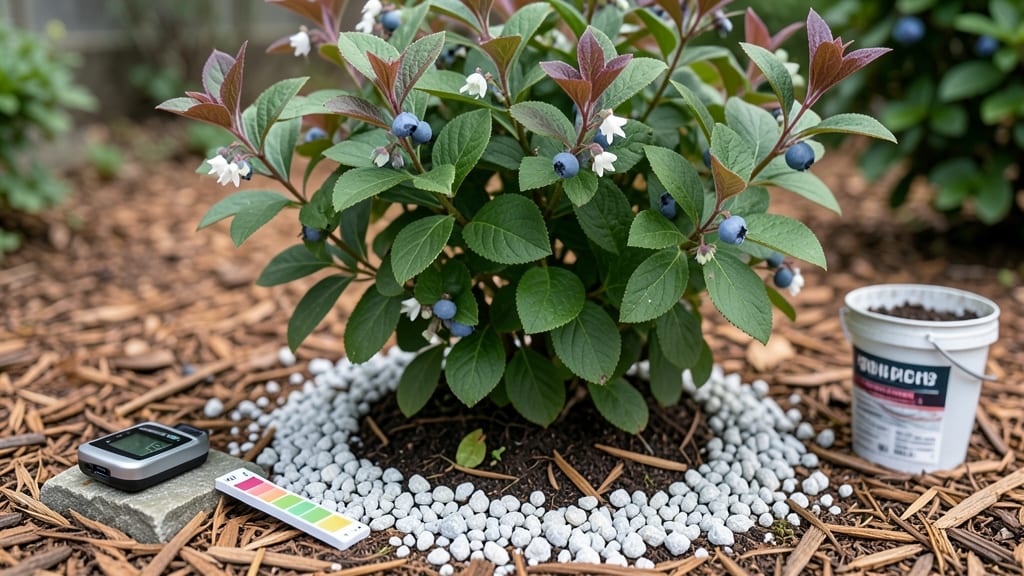
Neutralizing soil acidity involves raising pH levels with materials like lime, wood ash, or crushed eggshells, while testing soil pH first ensures proper application rates for optimal plant growth and nutrient availability.
Soil acidity isn't just about pH numbers—it directly impacts what nutrients your plants can access. 🌱 For example, blueberries thrive in acidic soil (pH 4.5-5.5) because they need aluminum and manganese, while vegetables like tomatoes prefer neutral soil (pH 6.0-7.0) for better calcium uptake.
The key is understanding your plants' needs before choosing amendments, since overcorrecting can create just as many problems as too much acidity.
Most gardeners start with a simple soil test kit (available at garden centers) to measure pH before applying amendments. Lime is the most common choice because it's widely available and effective, but wood ash works faster for quick fixes—just be cautious with it, as too much can make soil alkaline.
Crushed eggshells are a slower but natural option that also adds calcium over time. The goal isn't to make soil perfectly neutral but to match it to what your specific plants require.
💡 In This Article
- How Soil Acidity Affects Plant Growth and Nutrient Uptake
- Best Organic and Synthetic Materials for Raising Soil pH
How soil acidity affects plant growth and nutrient uptake
Soil acidity, measured by pH, determines which nutrients become available to plants. When pH drops below 6.0, essential nutrients like phosphorus, calcium, and magnesium become locked in the soil—unusable by plant roots.
For example, phosphorus solubility plummets in highly acidic conditions (pH <5.5), starving plants that need it most, like tomatoes and peppers. 🌱 The reason? Acidic soils increase aluminum and manganese levels, which can actually become toxic to plants at high concentrations.
Different plants have evolved to thrive in specific pH ranges. Acid-loving plants like azaleas, blueberries, and rhododendrons flourish in pH 4.5-5.5 because they've adapted to extract nutrients efficiently in these conditions. Meanwhile, vegetables such as broccoli, lettuce, and carrots prefer pH 6.0-7.0, where nutrient availability is optimal.
This is why gardeners often amend soil differently for flower beds versus vegetable patches—what works for one may harm the other.
The soil's microbial ecosystem also responds dramatically to pH changes. Beneficial bacteria and fungi that help break down organic matter and fix nitrogen thrive in slightly acidic to neutral conditions (pH 6.0-7.5).
When soil becomes too acidic (pH <5.0), these microorganisms become less active, reducing nutrient cycling and organic matter decomposition. This creates a vicious cycle where plants struggle to access nutrients, and the soil structure weakens over time.
Even the physical structure of soil changes with acidity. Highly acidic soils often develop a compacted layer where iron and aluminum oxides bind clay particles tightly, reducing aeration and root penetration.
This is why plants in acidic soil may show stunted growth or yellowing leaves—not just from nutrient deficiencies, but also from poor root development. The good news? Raising pH can reverse these effects by improving soil structure and microbial activity.
Testing your soil's pH before making changes is crucial because overcorrecting can be just as damaging. For instance, adding too much lime to raise pH can create alkaline conditions (pH >7.5), which locks out other essential nutrients like iron and zinc.
The goal is balance—creating an environment where both plants and soil microbes can thrive together. 💫
Consider this example: A garden with pH 5.0 might need 5-10 pounds of lime per 100 square feet to reach an ideal pH 6.5, but the exact amount depends on your soil type.
Sandy soils require more frequent applications, while clay soils hold amendments longer. This precision is why soil testing isn't optional—it's the foundation of effective pH management.