
Plants
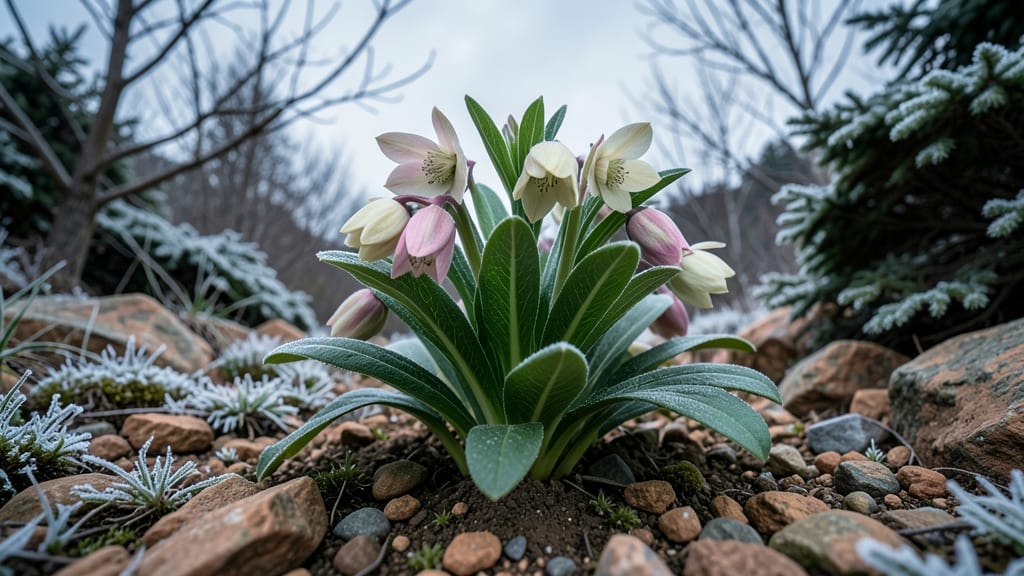
Struggling with shady, nutrient-poor garden spots? These 10 resilient plants thrive in low light and poor soil, bringing life to forgotten corners without demanding constant care or attention.
Hostas for Lush Green Ground Cover
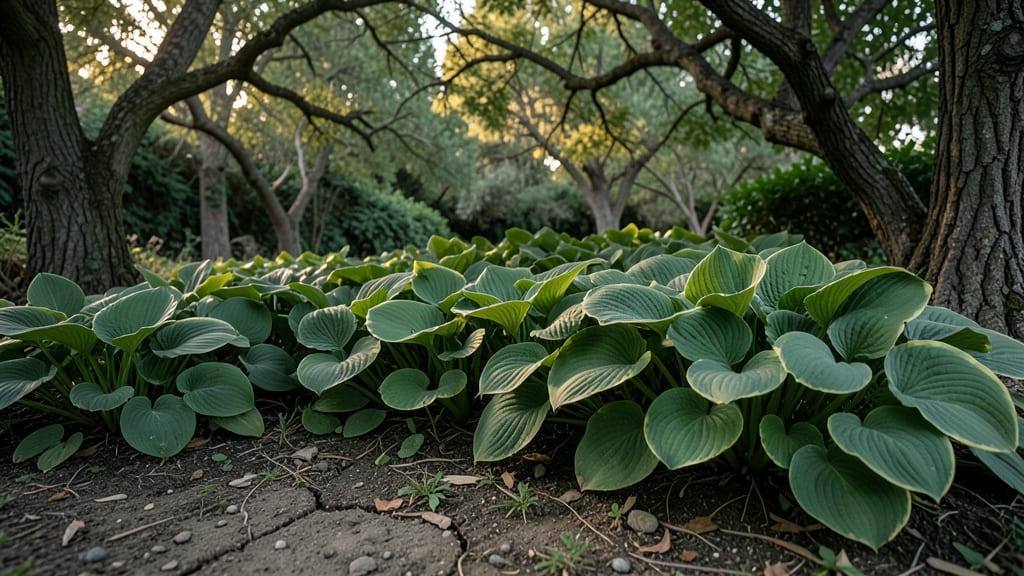
If you’ve ever walked past a shady patch of your yard and sighed at the lack of greenery, hostas might just be your new best friend. These hardy perennials thrive in compacted, rocky soil and partial shade, making them perfect for even the trickiest spots where other plants struggle.
Hostas come in a stunning array of colors—from deep blues and purples to bright yellows and variegated patterns—so you can mix and match for a lush, textured look. They’re also incredibly low-maintenance: water them occasionally (they hate soggy soil), mulch to retain moisture, and divide clumps every few years to keep them healthy. Deer tend to avoid them too, which is a bonus for gardeners dealing with hungry wildlife!
Whether you’re filling in under trees, lining a shady walkway, or adding drama to a container, hostas deliver year-round greenery with minimal effort. They’re the ultimate beginner-friendly plant that still feels fancy. 🌱
Ferns for Natural Woodland Beauty
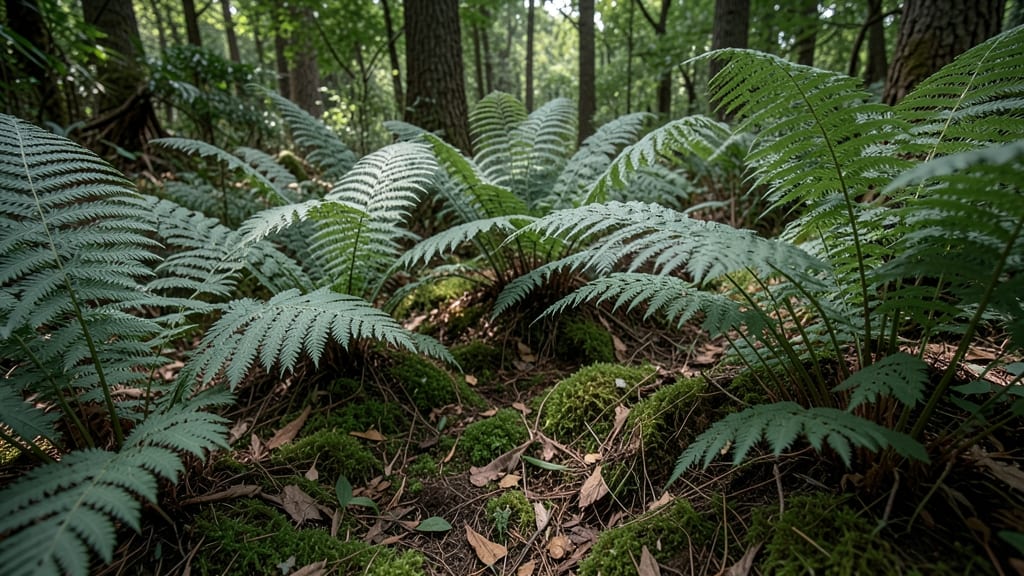
Transform your shady, underutilized garden corners into a lush woodland retreat with ferns—nature’s answer to delicate beauty in low-light spaces. Unlike hostas, ferns like maidenhair and ostrich fern thrive in acidic, nutrient-poor soil and add a soft, feathery texture that mimics a forest floor. Their ability to flourish in humid conditions makes them perfect for areas where other plants struggle.
These shade-loving plants require minimal sunlight (just a few hours of dappled light) and prefer moist but well-draining soil. Mulch with leaf litter or pine needles to mimic their natural habitat and retain moisture. Divide mature clumps every 3–4 years to keep them vigorous, and watch as they fill gaps with lacy fronds that sway gently in the breeze.
Urban gardeners and woodland enthusiasts will love how ferns create a calming, natural ambiance while demanding almost no maintenance. They’re also ideal for container gardening in shaded patios or as understory plants in mixed borders. 🌿
Sword Ferns for Year-Round Greenery
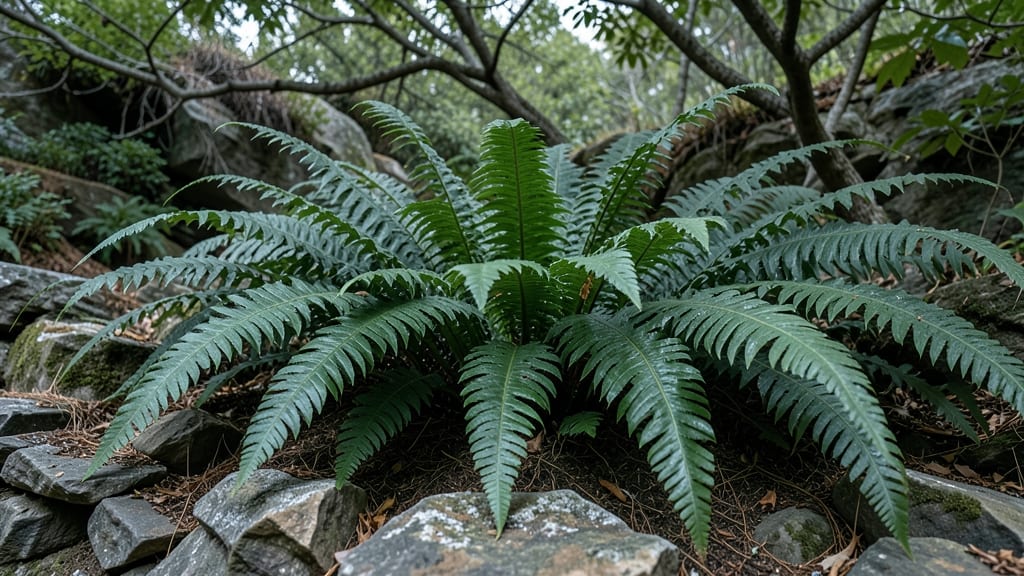
If you’ve ever struggled to keep plants alive in shady, rocky patches of your garden, sword ferns are your secret weapon. Unlike fussy plants, these evergreen beauties thrive in the toughest conditions—poor soil, drought, and even winter frost—while staying lush and green all year.
Sword ferns (genus Nephrolepis) are among the most adaptable shade plants, tolerating acidic to neutral soil without fuss. Their leathery, arching fronds reach 2-3 feet tall, creating a natural woodland look that’s low-maintenance and drought-resistant once established. They even handle urban pollution and compacted soil, making them perfect for city gardens or neglected corners.
For gardeners who want year-round greenery with zero effort, sword ferns deliver—ideal for borders, woodland gardens, or even hanging baskets. Their hardiness means fewer replacements and more time enjoying your garden. 🌿
Heuchera for Colorful Leaf Variety
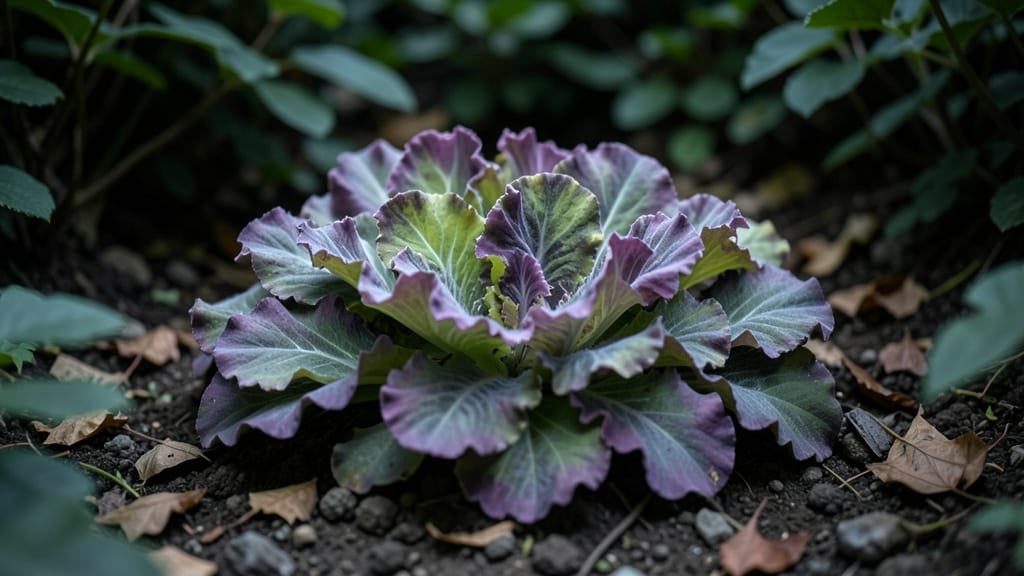
Transform your darkest garden corners into vibrant focal points with heuchera, also known as coral bells. This shade-loving perennial thrives in poor soil conditions and delivers striking foliage in shades of purple, silver, or lime green—no sunlight required!
Heuchera’s secret weapon is its adaptability: it tolerates dry shade and even rocky or sandy soil, making it perfect for urban gardens or neglected patches. Plant in partial to full shade and water moderately—once established, it’s drought-tolerant. Varieties like 'Palace Purple' or 'Lime Rickey' add bold contrast to shady borders or container gardens.
Urban gardeners and beginners will love heuchera’s low-maintenance nature—just snip back dead leaves in early spring to encourage fresh growth. Its compact size (12–18 inches tall) makes it ideal for edging or filling gaps between larger plants. 💚
Liriope for Tough Grass-Like Foliage
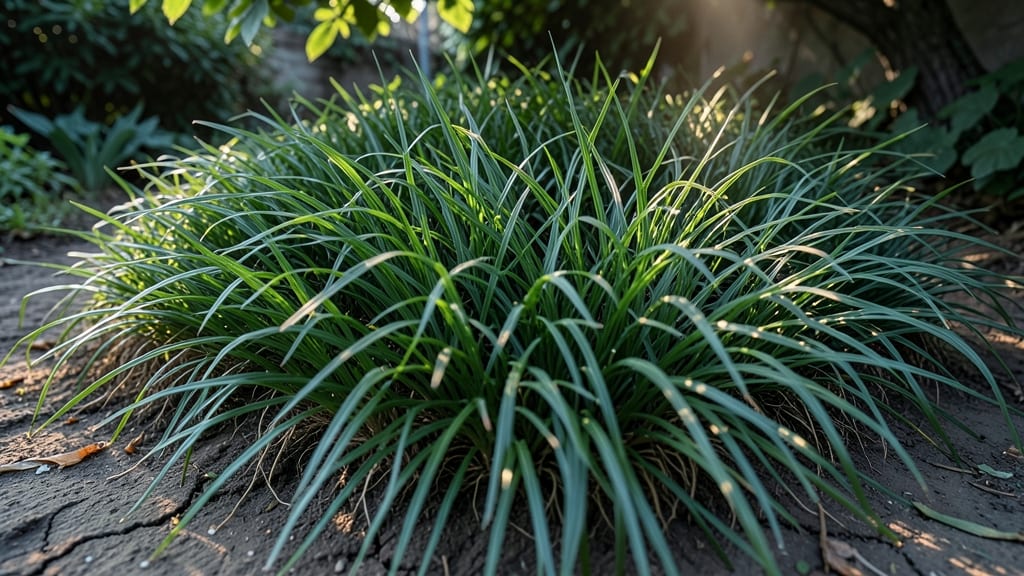
Tired of bare spots in your garden that refuse to grow? Liriope (also called monkey grass) is the unsung hero for filling those tricky, shady areas where other plants struggle. Its grass-like foliage creates a neat, dense mat that spreads effortlessly, even in nutrient-poor soil.
This hardy perennial thrives in full to partial shade and tolerates dry spells once established, making it ideal for borders, slopes, or under trees. In late summer, it bursts with purple flower spikes that add vertical interest without requiring deadheading. Simply divide clumps every few years to keep it vigorous.
Perfect for urban gardeners or beginners, liriope offers year-round greenery with almost no maintenance. It’s the ultimate solution for transforming neglected corners into lush, low-effort ground cover. 💚
Japanese Painted Fern for Unique Texture
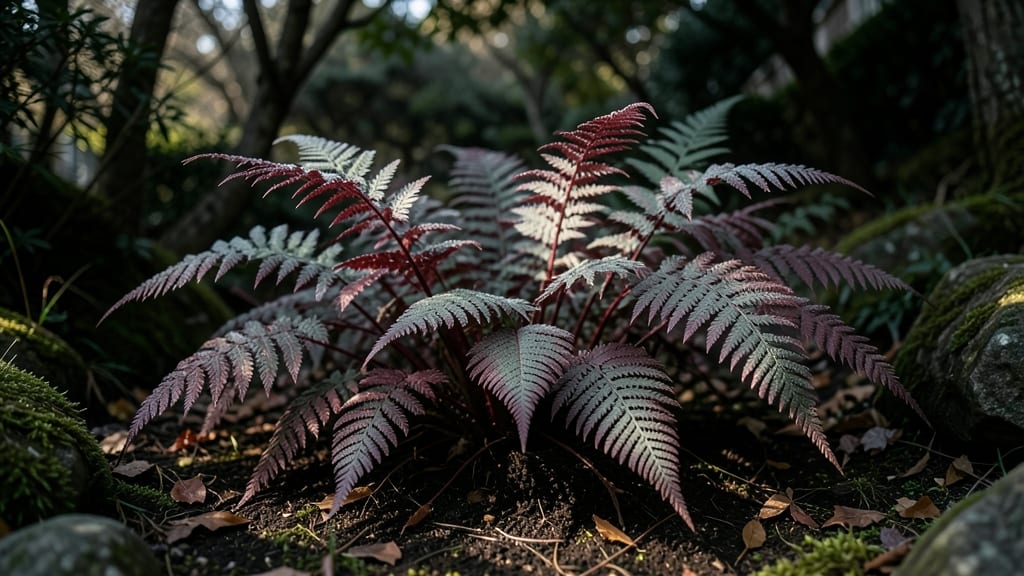
Want to transform a dull, shady corner into a lush, eye-catching display without the fuss? The Japanese painted fern (Athyrium niponicum var. pictum) delivers striking burgundy and silvery-green foliage that thrives where other plants struggle—poor, moist soil and deep shade. Unlike its green counterparts, this fern’s two-toned leaves create instant visual drama, making it a standout in woodland gardens or under trees.
This hardy perennial grows 18-24 inches tall and spreads slowly, making it perfect for borders or woodland gardens. It tolerates compacted or rocky soil and even occasional drought once established, though it prefers consistently moist conditions. For best results, mulch around the base to retain moisture and suppress weeds. The low-maintenance nature of this fern means you’ll spend less time tending and more time admiring its unique beauty.
Urban gardeners and shade-lovers will appreciate how this fern adds depth and texture without demanding full sun or rich soil. Pair it with hostas or heuchera for a layered, low-light garden that feels lush and intentional. 🌿
Sweet Woodruff for Fragrant Ground Cover
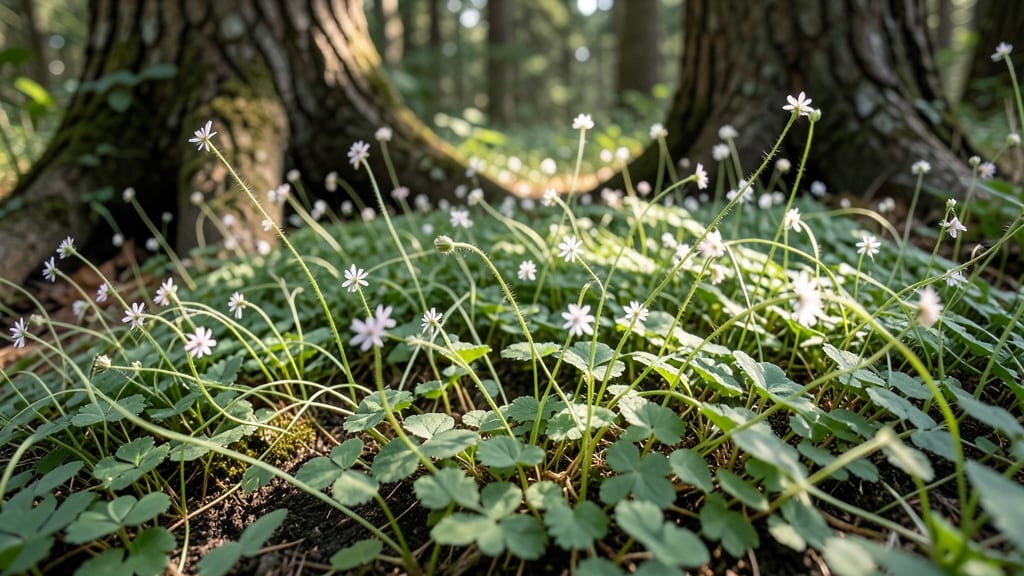
Want a ground cover that smells like vanilla and spreads effortlessly? Sweet woodruff (Galium odoratum) is your answer—a delicate, fragrant plant that thrives in shady, nutrient-poor soil while releasing a sweet scent when crushed. It’s perfect for pathways, under trees, or as a living mulch that suppresses weeds naturally.
This low-growing perennial spreads via underground runners, creating a lush carpet in partial to full shade with minimal care. It prefers well-drained soil but tolerates dry conditions once established, making it ideal for urban gardens or woodland edges. Bonus: Its small white flowers in spring attract pollinators like bees and butterflies.
Sweet woodruff is especially great for gardeners who love sensory experiences—its fragrance intensifies after rain, adding a whimsical touch to shaded spots. Perfect for beginners or those seeking a low-maintenance, fragrant solution for tricky areas. 🌱
Alum Root for Bold Purple Blooms
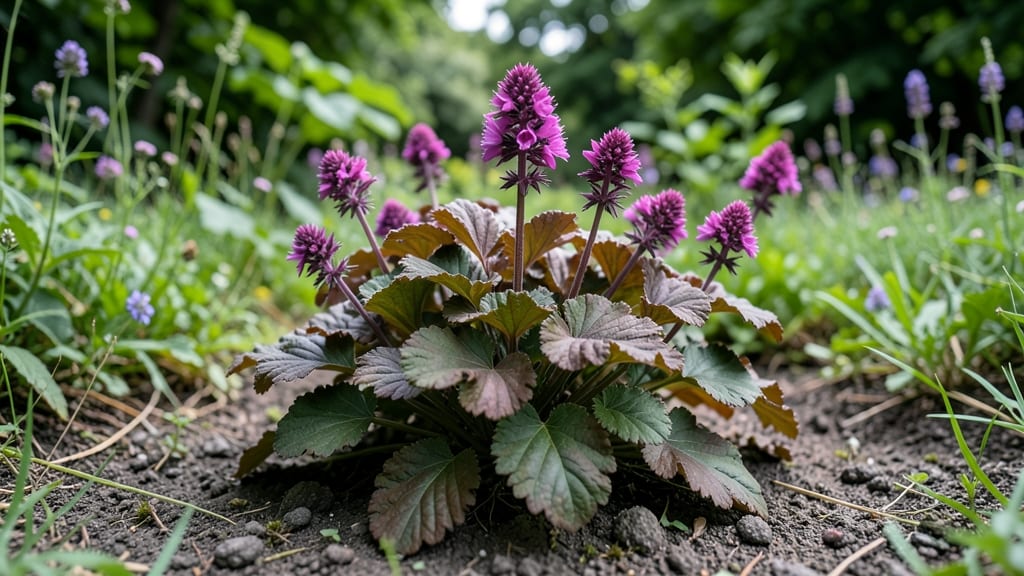
Looking to add a pop of color to your shady, nutrient-poor garden without the fuss? Alum root (Heuchera americana) delivers striking purple blooms in late summer while thriving where others struggle. This native perennial is a hidden gem for cottage gardens or wildflower areas, offering both beauty and resilience.
Alum root flourishes in full to partial shade and tolerates dry, rocky, or even slightly alkaline soil—no amendments needed. Its deep green leaves form a lush clump, while spikes of purple flowers rise above in August and September, attracting pollinators. Deadhead spent blooms to encourage more flowers, but otherwise, this plant is nearly maintenance-free.
Perfect for beginner gardeners or those with tough spots, alum root brings year-round interest with its architectural foliage and seasonal blooms. Plant it in wildflower meadows, woodland edges, or cottage-style beds for a touch of old-world charm. 🌟
Creeping Jenny for Golden Cascading Beauty
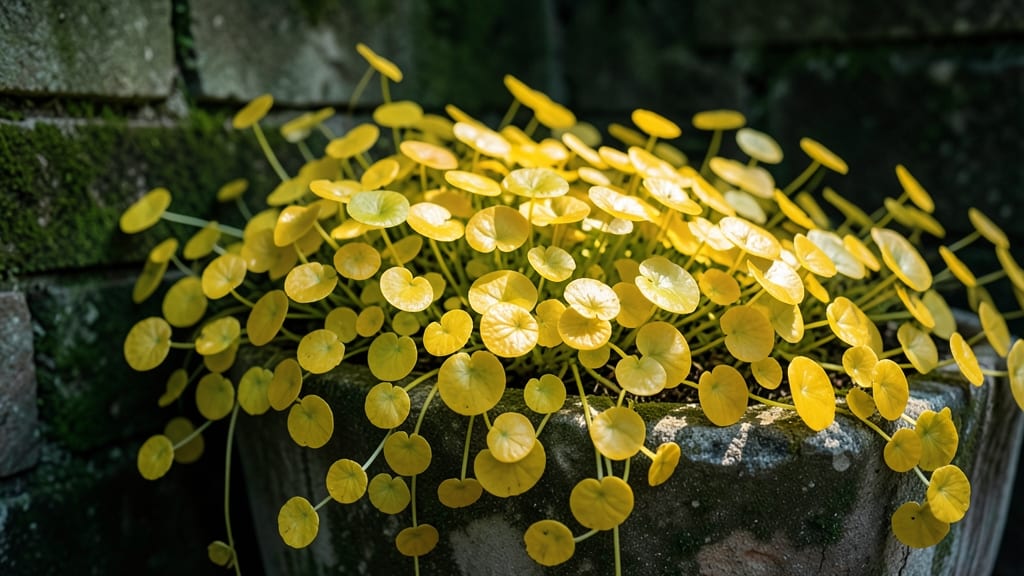
Turn dull, shaded corners into sunlit focal points with Creeping Jenny (Lysimachia nummularia), a golden-yellow ground cover that thrives where others fail. Its bright foliage cascades beautifully over edges, transforming forgotten spots into cheerful displays—no extra sunlight needed.
This hardy plant spreads aggressively in poor soil and full shade, making it perfect for hanging baskets, rock gardens, or spilling over retaining walls. Water occasionally—it tolerates drought once established—and pinch back in spring to control its vigorous growth. The golden leaves contrast stunningly against dark soil or evergreens, adding instant color to any shady area.
Urban gardeners and balcony growers will love Creeping Jenny for its low-maintenance charm, while cottage gardeners can use it to soften edges. Just be warned—its spread is contagious! 💚
Hellebores for Winter-Blooming Elegance

When most gardens are still dormant under winter frost, helleborus (or hellebores) unfurls its elegant blooms like nature’s promise of spring. These shade-loving perennials thrive in rocky, nutrient-poor soil where other plants struggle, making them the unsung heroes of dark garden corners.
Nicknamed the "Lenten rose," hellebores bloom from late winter through early spring, offering delicate flowers in shades of white, pink, purple, and green. They’re remarkably low-maintenance—just ensure they get partial to full shade and well-draining soil. Deadhead spent blooms to encourage more flowers, but otherwise, they’re happy to naturalize over time.
Perfect for gardeners with shady, difficult spots, hellebores add structure and color when few other plants are in bloom. Their evergreen foliage also provides year-round interest, making them a must-have for cottage gardens or woodland settings. 🌷