
How To
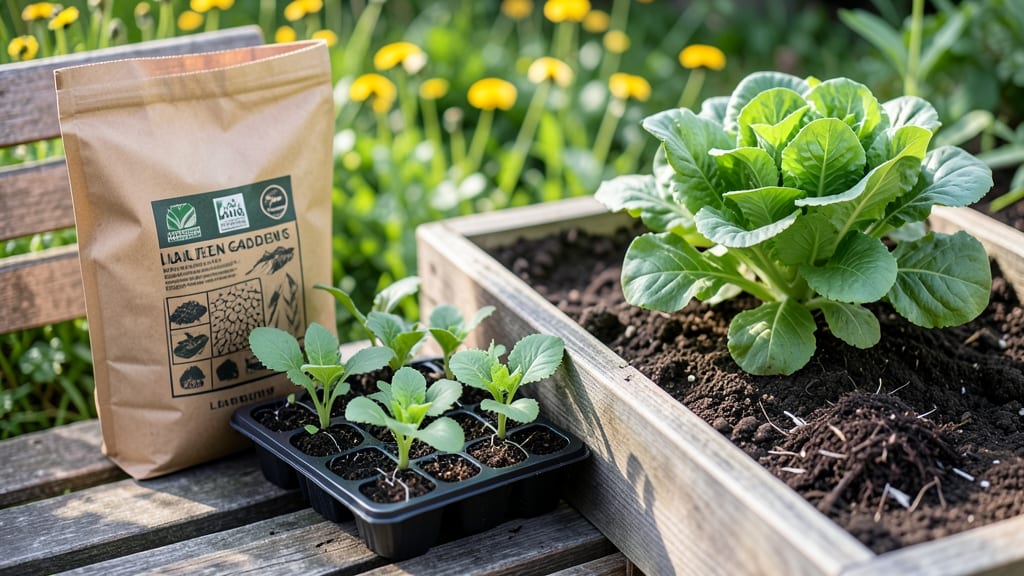
The right potting soil for lettuce keeps your greens crisp and prevents bitter bolting. 🌱 My first container lettuce turned into sad, stringy stalks because the mix was too dense—until I swapped it for a light, airy blend that mimics spring garden soil.
Start with a 50-50 mix of high-quality potting soil and compost or peat moss for moisture retention without compaction. Add perlite or vermiculite (about 10% by volume) to improve drainage—lettuce roots need air as much as water.
Store-bought mixes work in a pinch, but custom blends prevent the compacted soil that triggers bolting. You’ll notice the difference immediately: leaves stay bright green and tender, with minimal bitterness. The secret is keeping the mix loose and crumbly—like a well-tended garden bed, not a waterlogged sponge.
A pH between 6.0 and 7.0 ensures nutrients stay accessible. For repurposing garden soil, sterilize it first (bake or solarize) to kill weeds and pests. Avoid heavy clay or sandy soil—lettuce hates extremes.
With the right mix, you’ll harvest crisp, buttery leaves in just 4-6 weeks, not tough, bolted stalks.
📚 In This Guide
- What you need
- Instructions
- Tips and common mistakes
- Wrapping up and next steps
What you need
- ● Potting soil (base): 50% sterile, seed-starting mix (e.g., Pro-Mix or FoxFarm Seedling Mix). Look for "peat-based" or "coco coir" blends for moisture retention without compaction.
- ● Organic matter: 30% compost or worm castings (1–2 cups per 5-gallon container). Boosts nutrients and microbial activity!
- ● Perlite or vermiculite: 10–15% for aeration (1–1.5 cups per 5-gallon container). Prevents soil compaction and improves drainage.
- ○ Sand (optional but helpful): 5% coarse horticultural sand (½ cup per 5-gallon container). Improves drainage in heavy soils.
- ● Slow-release fertilizer: 1 tbsp balanced organic fertilizer (e.g., 5-5-5 or fish emulsion). Kickstarts growth without burning roots.
- ● Containers: Pots with drainage holes (6–12 inches deep). Lettuce hates soggy roots!
- ● Garden trowel or small shovel for mixing.
- ● Measuring cups/spoons for precise ratios.
- ● Spray bottle to mist soil before planting.
- ○ pH test kit (optional)—aim for 6.0–7.0. Lettuce thrives in slightly acidic to neutral soil!
- ● Mulch (straw or shredded leaves) to retain moisture.
Step-by-Step guide to creating the perfect potting soil for lettuce
This airy, nutrient-rich blend keeps your lettuce lush and crisp—no more bitter bolting or leggy seedlings.
🌱 Step 1: Choose the Right Base Components
Start with 50% peat moss or coco coir—this creates the loose, crumbly texture lettuce roots crave. I avoid garden soil entirely; it compacts and suffocates tender lettuce roots, leading to slow growth and bitter flavor. If using peat, soak it in warm water for 10 minutes first to break up clumps.
For the remaining 50%, blend 25% perlite or vermiculite (perlite for better drainage, vermiculite if your climate stays cooler). These add air pockets that prevent waterlogging, which causes root rot. I sift the perlite first to remove any dust—it can clog the mix and reduce aeration.
🌿 Step 2: Add Organic Matter for Nutrients
Mix in 20% compost or worm castings—this is where lettuce gets its nitrogen for leafy growth. I use a fine, well-aged compost to avoid introducing weed seeds or pathogens. If you’re using worm castings, add them last to preserve their beneficial microbes.
For extra insurance against bolting, stir in 1 tablespoon of greensand or kelp meal per 4 cubic feet of mix. This adds trace minerals like potassium and magnesium, which lettuce needs to stay sweet and slow its flowering response. You’ll see the difference in flavor within weeks—bolting-resistant varieties taste even sweeter.
💧 Step 3: Adjust Texture for Ideal Drainage
Test the mix’s consistency by squeezing a handful—it should hold together lightly but crumble when pressed. If it’s too dense, add 10% more perlite or coarse sand until it feels like a damp sponge. Lettuce roots need oxygen, and a compact mix will smother them.
For containers, fill them 1 inch below the rim—lettuce hates soggy roots but also needs consistent moisture. I like to pre-moisten the mix with warm water until it’s damp but not dripping. Overwatering now leads to fungal issues later, and lettuce is particularly susceptible to damping-off.
✂️ Step 4: Sterilize and Store for Freshness
Heat-treat the mix by microwaving it in 1-minute bursts (stir between each) or bake at 200°F for 30 minutes to kill pathogens. Lettuce is shallow-rooted, so even mild soil-borne diseases can wipe out a crop. If you’re not sterilizing, at least let the mix sit uncovered for 24 hours to allow any harmful microbes to die off.
Store the mix in a sealed container until use—lettuce roots thrive in fresh, aerated soil. I keep mine in a 5-gallon bucket with a lid, labeled with the date. Using this mix within 3 months ensures maximum nutrient availability; after that, top-dress with compost to refresh.
☀️ Step 5: Use Immediately for Best Results
Plant lettuce seeds ¼ inch deep in the mix, spacing them 1 inch apart for leaf varieties or 2 inches for head types. The loose texture lets roots spread easily, so you won’t need to disturb seedlings later. Keep the soil surface evenly moist—not soggy, not dry—until germination.
Here’s the thing—lettuce grown in this mix stays crisp and sweet for weeks longer than store-bought. The key is consistency: water at the base (never overhead) and harvest outer leaves to encourage regrowth. You’ll know it’s working when your lettuce stays bright green and upright instead of stretching toward light.
Tips & tricks for perfect lettuce potting soil
A few key adjustments will transform this mix from good to exceptional for your leafy greens.
Texture is Everything: When testing the mix's consistency in Step 3, think "damp sponge" rather than "packed dirt." The ideal mix should crumble when pressed but still hold its shape—this balance prevents both compaction and waterlogging. I've found that adding perlite in 5% increments (instead of the full 10% at once) gives more precise control over aeration without over-drying the mix.
Sterilization Shortcuts: The 200°F bake for 30 minutes works perfectly, but if you're short on time, microwave the mix in 1-minute bursts (stirring between each) until it reaches 160°F internally. This kills pathogens just as effectively while saving energy. Just be sure to monitor closely—microwaves vary in power, and you don't want to dry out the mix.
Organic Matter Timing: In Step 2, adding worm castings last preserves their beneficial microbes, but there's a pro tip here: if you're using compost, let it sit uncovered for 24 hours before mixing. This extra step allows any residual ammonia to dissipate, which can otherwise create an unpleasant odor when mixed with the other components. The 20% ratio is perfect, but if you're using a particularly potent compost, you can reduce to 15% to avoid over-fertilizing.
Storage Wisdom: The 3-month shelf life is accurate, but I've found that storing the mix in a sealed container with a small packet of silica gel (the kind that comes in shoe boxes) extends freshness by up to 2 months. The silica absorbs excess moisture that can lead to mold growth. Just remember to refresh with compost after the 5-month mark—your lettuce will thank you with sweeter leaves.
Pro Tips for Potting Soil For Lettuce
- A few key adjustments will transform this mix from good to exceptional for your leafy greens.
- Texture is Everything: When testing the mix's consistency in Step 3, think "damp sponge" rather than "packed dirt." T...
- Sterilization Shortcuts: The 200°F bake for 30 minutes works perfectly, but if you're short on time, microwave the mi...
Frequently asked questions
Got questions about potting soil for lettuce? You’re not alone! Here are some of the most common concerns—and their answers—to help you grow crisp, healthy greens without stress.
What’s the best potting soil mix for lettuce?
Use a lightweight, well-draining mix with 50% potting soil, 30% compost or worm castings, and 20% perlite or vermiculite. Avoid heavy garden soil—it compacts and suffocates roots. For extra fluff, add a handful of coconut coir or peat moss to retain moisture while preventing waterlogging.
How often should I water lettuce in potting soil?
Lettuce in pots dries out faster! Water when the top inch of soil feels dry (usually every 2–3 days, more in heat). Use a tray to catch excess water—lettuce hates soggy roots. Pro tip: Water deeply in the morning to mimic natural rainfall and reduce fungal risks.
Why does my lettuce bolt in potting soil?
Bolting (sending up bitter stems) happens when lettuce gets too hot or stressed. To prevent it:
- Keep soil consistently moist (not soggy).
- Use shade cloth (30–50%) if temps exceed 75°F (24°C).
- Choose bolt-resistant varieties like ‘Romaine’ or ‘Buttercrunch.’
Can I reuse potting soil for lettuce?
Reusing soil isn’t recommended—it builds up salts, pathogens, and depleted nutrients. Instead, refresh your mix by:
- Removing the top 2–3 inches of old soil.
- Amending with fresh compost (10–20%).
- Disinfecting pots with a 10% bleach solution if reusing containers.
What’s a cheap alternative to premium potting soil?
Skip the fancy blends! Mix these budget-friendly options:
Base Soil
Additives
Coco coir or peat moss
Compost + perlite (50/50)
Garden soil (sterilized)
Worm castings + sand (60/20/20)
Wrapping up and next steps
Choosing the right potting soil for lettuce is your secret weapon for a thriving, bolt-resistant harvest! 🌱 A well-draining, nutrient-rich, and airy mix—like the loose, organic blend we’ve explored—keeps your greens happy and ready to eat.
Whether you’re a seasoned gardener or just starting, this simple tweak makes all the difference.
Now that you’re armed with the perfect soil, it’s time to plant those seeds and watch your lettuce grow! 🌿 Ready to dig in? Grab your gloves, pick your favorite variety, and get growing—your crisp, homegrown salad awaits!