
How To
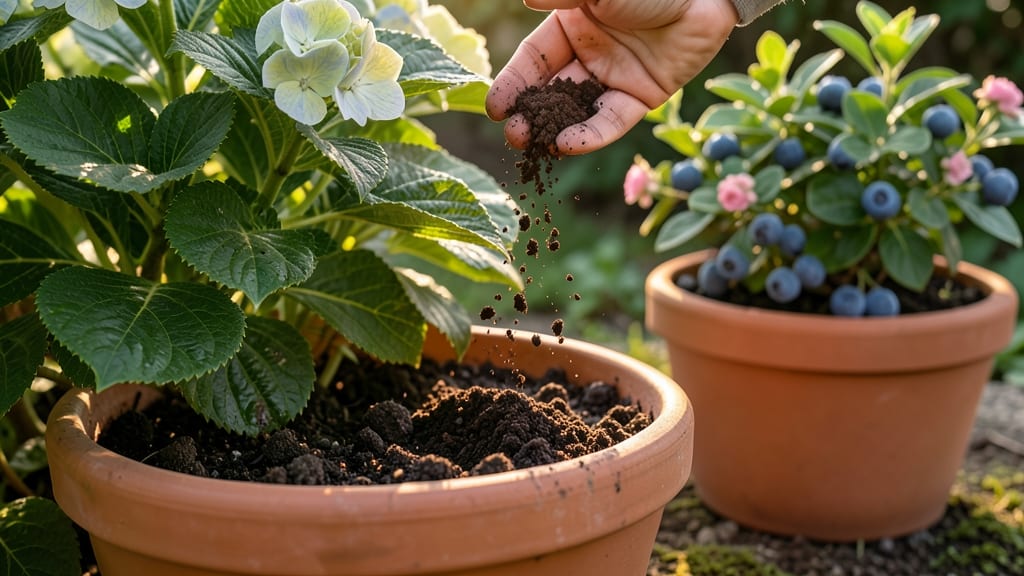
When you're stuck without potting soil but your plants are desperate, these 10 quick substitutes save the day. Whether you're dealing with root rot, seed starting, or emergency repotting, these household solutions work wonders for any plant crisis—no garden center needed.
Coconut Coir for Moisture-Loving Plants
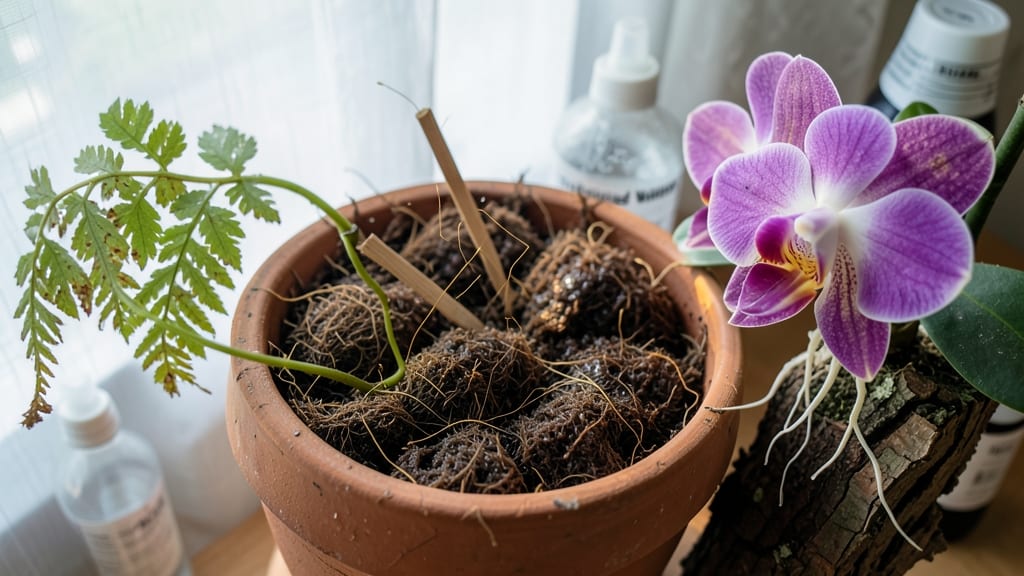
If your ferns or orchids are wilting faster than you can water them, coconut coir might be your new best friend. This sustainable substitute holds 10 times its weight in water while preventing the dreaded soil compaction that suffocates roots—perfect for tropical plants craving humidity.
Made from coconut husks, coir mimics the moisture-retaining properties of peat moss but without the environmental harm. Simply soak coir bricks in water for 24 hours before mixing with perlite (1:1 ratio) to create a fluffy, aerated medium. For year-round tropical plants, this blend keeps roots hydrated between waterings while allowing excess moisture to drain.
Urban gardeners with limited space will love how coir reduces the need for frequent watering—ideal for busy schedules. Plus, it’s biodegradable and reusable, making it a guilt-free choice for eco-conscious plant parents. 🌿
Peat Moss and Perlite Blend
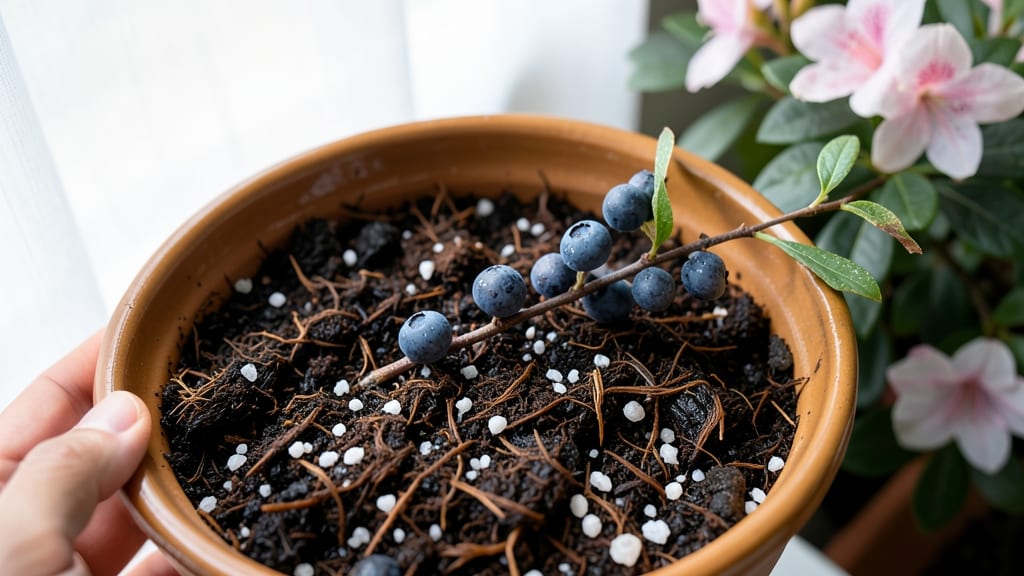
If your blueberries or azaleas are struggling in containers, this classic blend is your go-to potting soil substitute. The peat moss creates a light, airy medium that mimics acidic forest soil, while perlite adds just the right drainage to prevent soggy roots—critical for long-term container health.
Mix equal parts of each (or a 60/40 peat-to-perlite ratio) and adjust with a pinch of compost for nutrients. This combo works best for acid-loving plants that thrive in pH 4.5-5.5 soils, and it stays loose even after watering, preventing compaction. Urban gardeners with limited space will love how this extends the life of container plants by years.
The real magic is in its versatility—use it for repotting, seedling trays, or even as a top-dressing for acid-loving perennials. Just keep it moist (not wet) to maintain the perfect balance. 💚
Vermiculite for Seed Starting
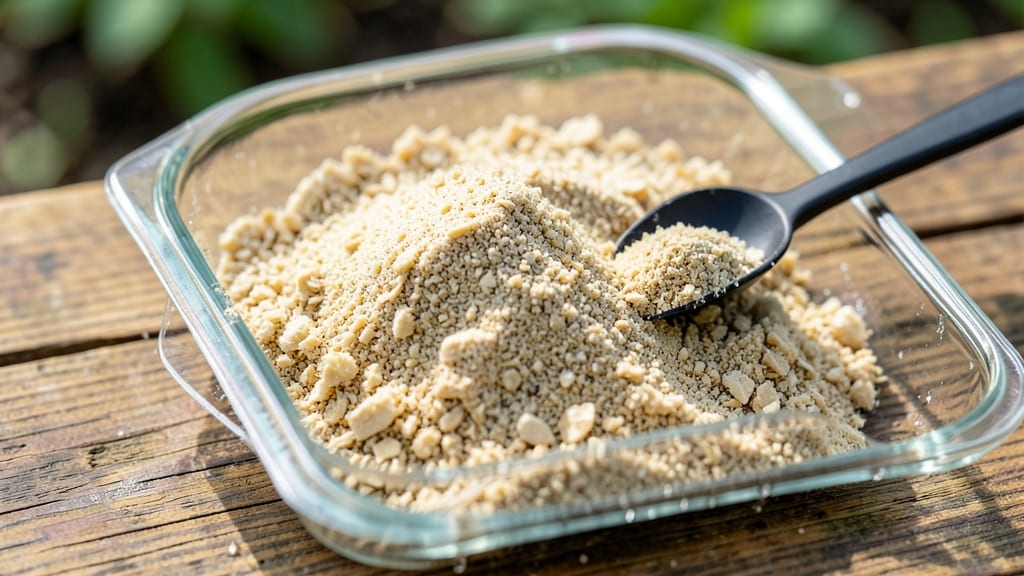
When you're ready to start seeds but only have a bag of vermiculite on hand, don’t panic—this mineral is a seed starter’s secret weapon. Unlike dense potting mixes, vermiculite stays loose while holding up to three times its weight in water, creating the perfect balance for delicate seedlings.
Sterilized and free of pathogens, it’s ideal for germinating seeds or rooting cuttings without the risk of damping-off disease. Simply mix it with a small amount of compost (1:1 ratio) for nutrients, then keep the surface lightly moist. It’s especially helpful for slow-to-germinate seeds like peppers or tomatoes, which need consistent moisture.
This lightweight substitute is a lifesaver for urban gardeners with limited space or beginners testing their green thumbs. Just add water and watch those roots grow! 🌱
Composted Leaf Mold
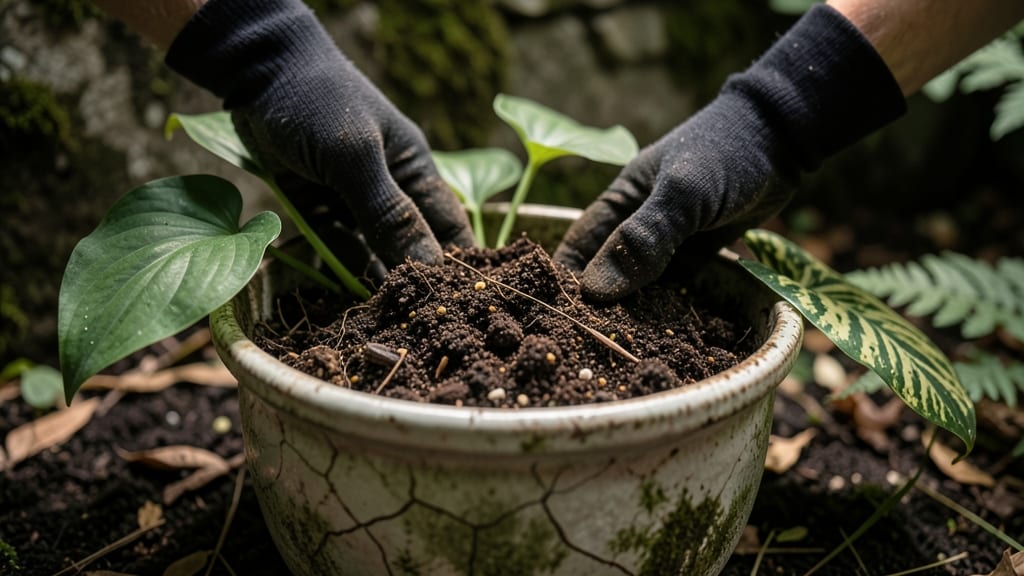
If your shade-loving plants like hostas or calatheas are struggling, composted leaf mold might be your secret weapon. This finely decomposed leaf material creates a soft, spongy texture that mimics the nutrient-rich forest floor—ideal for plants that thrive in low-light conditions.
Leaf mold improves soil structure by adding organic matter while retaining moisture without becoming waterlogged. Mix it into potting soil at a 1:3 ratio (leaf mold to soil) for a boost in fertility and drainage. It’s also sterile and free of weeds, making it perfect for seedling trays or repotting delicate houseplants.
Urban gardeners and beginners will love how easy it is to make—just collect fallen leaves, dampen them, and let them decompose for 6-12 months. Your plants will reward you with lush, vibrant growth. 🌿
Sand and Compost Mix
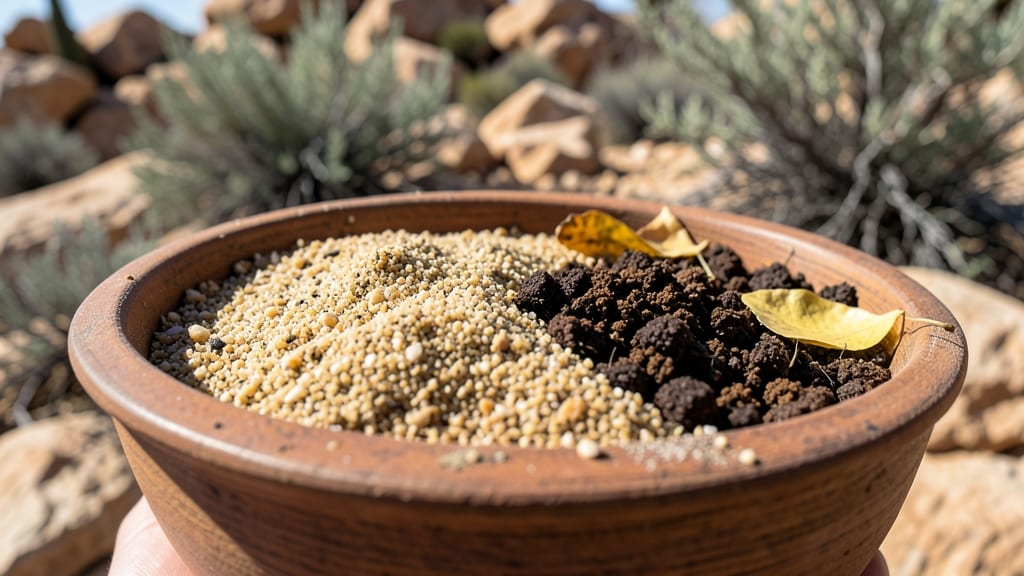
If your succulents or cacti are struggling with soggy soil or yellowing leaves, a sand and compost mix is your desert plant’s lifeline. This dynamic duo mimics the natural, fast-draining conditions these plants crave while delivering essential nutrients—no fancy additives required.
Use coarse horticultural sand (never playground sand) for 60% of the mix and well-aged compost for the remaining 40%. The sand prevents root rot by allowing excess water to escape, while the compost provides slow-release nutrients to keep plants thriving. For best results, water only when the top inch of soil feels completely dry—overwatering is the #1 killer of desert plants.
This mix is ideal for beginner gardeners or anyone with limited space, as it eliminates the need for specialized cactus soil. Plus, it’s a budget-friendly way to keep your collection happy year-round. 🌻
Newspaper Shreds for Seedlings
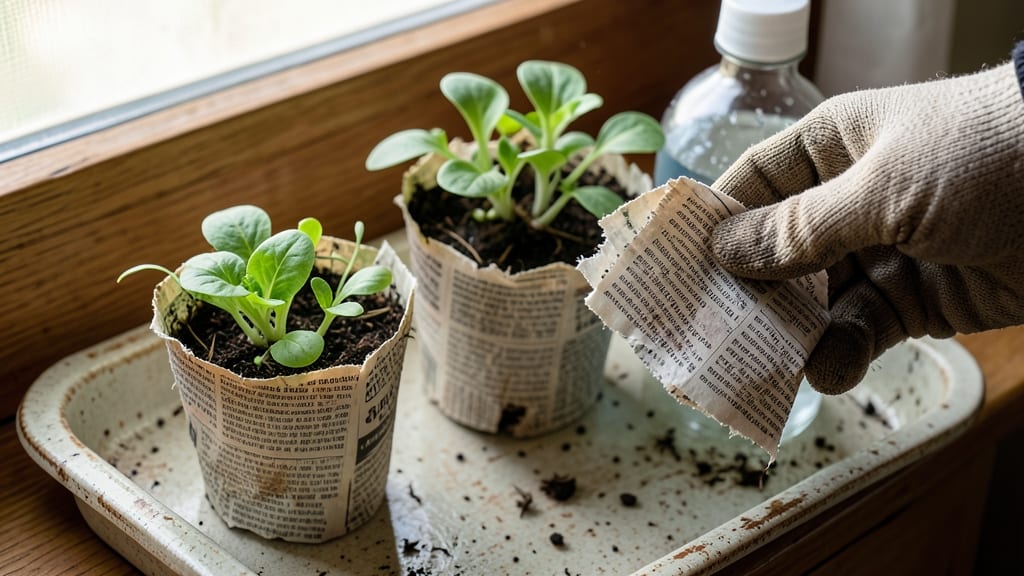
Skip the store-bought seed-starting pots this year—shredded newspaper is your secret weapon for biodegradable, sterile containers that disappear as your seedlings grow. This zero-waste hack works especially well for delicate seedlings like lettuce or herbs that need gentle handling during transplanting.
Start by tearing newspaper into 2-inch-wide strips, then roll them into tubes and secure with a rubber band. The paper breaks down slowly, giving roots time to establish before dissolving completely. For extra moisture retention, soak the strips lightly before planting. This method is perfect for urban gardeners with limited space or anyone practicing sustainable gardening.
Newspaper shreds eliminate the need for pot removal, reducing transplant shock and saving you time. Plus, it’s a free, always-available resource that turns recycling into a gardening advantage. 🌱
Wood Chips for Bulb Planting
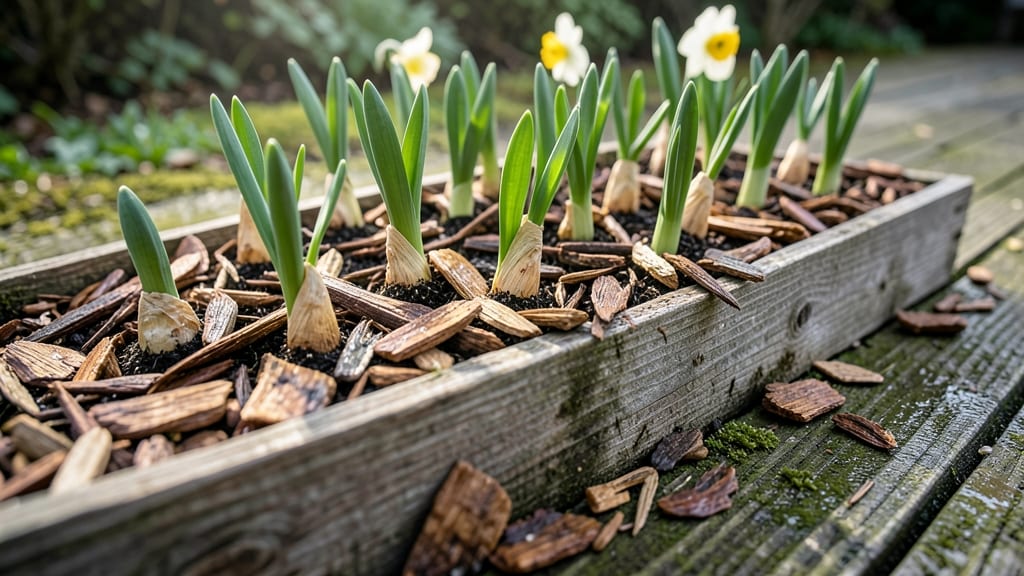
If you're prepping spring bulbs like tulips or daffodils but don’t have potting soil, wood chips are your secret weapon. These chunks create a natural, weed-suppressing layer that locks in moisture—ideal for temporary containers where you can’t commit to permanent planting.
Use untreated wood chips (like cedar or oak) in a 2-3 inch layer at the bottom of your container before adding bulbs. They’ll slowly break down, enriching the soil while keeping roots cool and damp. This method works especially well for bulb forcing in pots or overwintering in cold climates. Just avoid treated wood, which can harm plant growth.
Perfect for urban gardeners with limited space or anyone forcing bulbs indoors—it’s a zero-waste solution that mimics nature’s mulch. 🌱
Eggshells Crushed for Calcium Boost
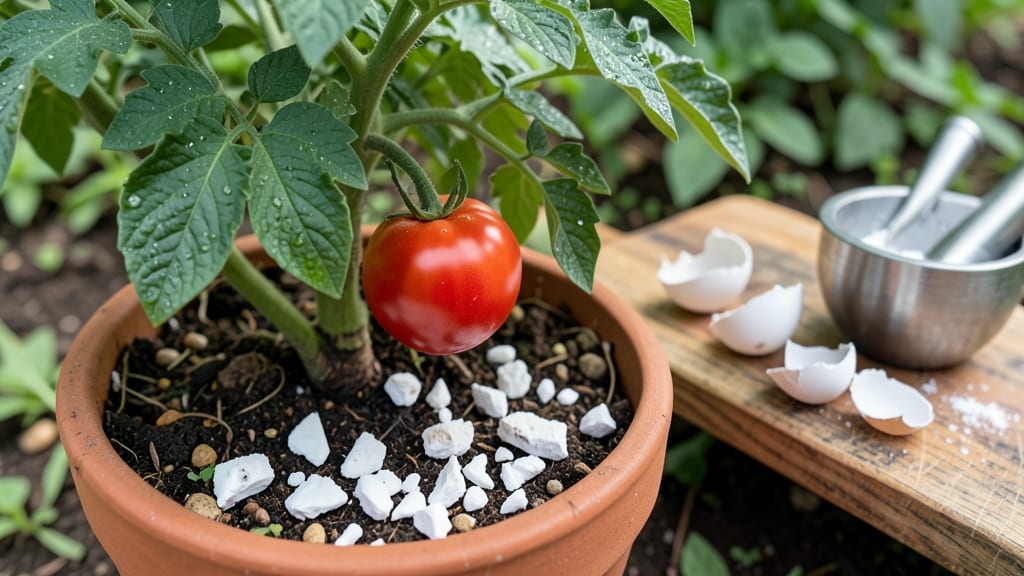
Tired of watching your tomatoes develop unsightly blossom-end rot? The solution might already be in your kitchen—crushed eggshells are a powerhouse calcium source that prevents this common problem while enriching your soil naturally.
Simply rinse and dry used eggshells, then crush them into a fine powder using a mortar and pestle or blender. Mix 1-2 tablespoons per plant into the top inch of soil or compost around your tomato plants. This nutrient-rich amendment also benefits peppers, squash, and other calcium-loving vegetables, breaking down slowly over months.
Urban gardeners and beginners will love this zero-waste trick—it’s free, effective, and works wonders for preventing fruit deformities while improving soil structure. 🌱
Sphagnum Moss for Air Plants
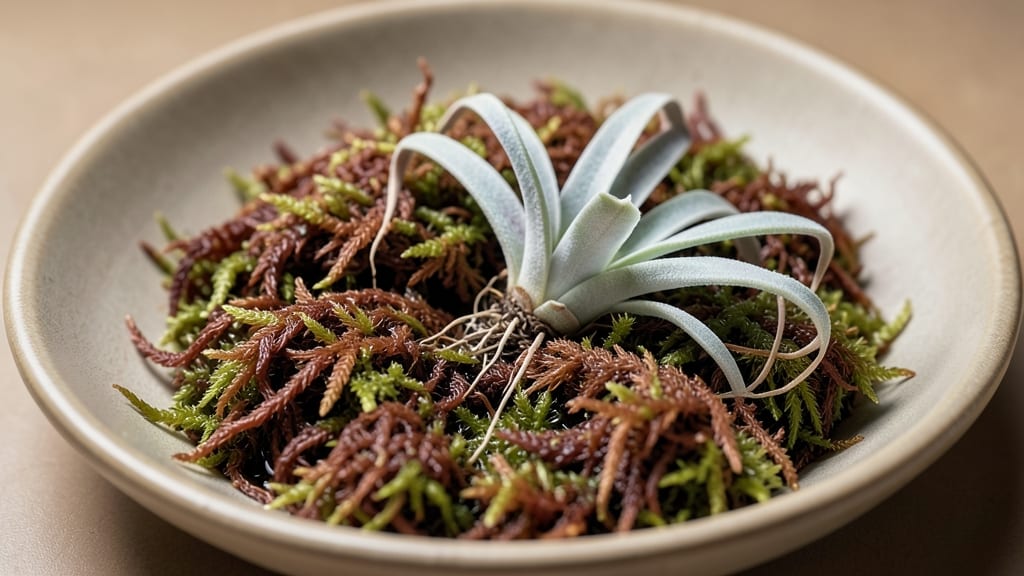
If you’re struggling to keep your tillandsias (air plants) happy without traditional soil, sphagnum moss is your secret weapon. Unlike heavy potting mixes, it mimics their natural epiphytic habitat by holding moisture while allowing airflow—no smothering roots here.
This moss absorbs up to 8x its weight in water but releases it gradually, keeping roots hydrated for weeks. For propagating cuttings, simply place them on damp sphagnum and mist lightly—humidity lovers thrive in this environment. Just avoid overwatering; let it dry slightly between mistings to prevent rot.
Perfect for beginners or urban gardeners with limited space, sphagnum moss transforms air plants into low-maintenance showstoppers. 🌱
Coffee Grounds for Acid-Lovers

If your hydrangeas are struggling to produce vibrant blooms or your blueberries need a nitrogen kick, coffee grounds might be your secret weapon. This free, organic amendment breaks down rapidly—within weeks—to lower soil pH and feed hungry roots, making it ideal for acid-loving plants in containers or garden beds.
Simply sprinkle used (cooled) coffee grounds around the base of your plants or mix them into the top inch of soil. Avoid overdoing it—too much can compact the soil or create mold—so aim for a 1-inch layer every few weeks. Pair it with compost to balance moisture retention, and watch your acid-loving plants thrive with fewer inputs. Perfect for urban gardeners with limited space!
This zero-waste solution turns morning brew into garden gold—no extra cost or effort required. Just save your grounds and let nature do the rest. 🌿