How To
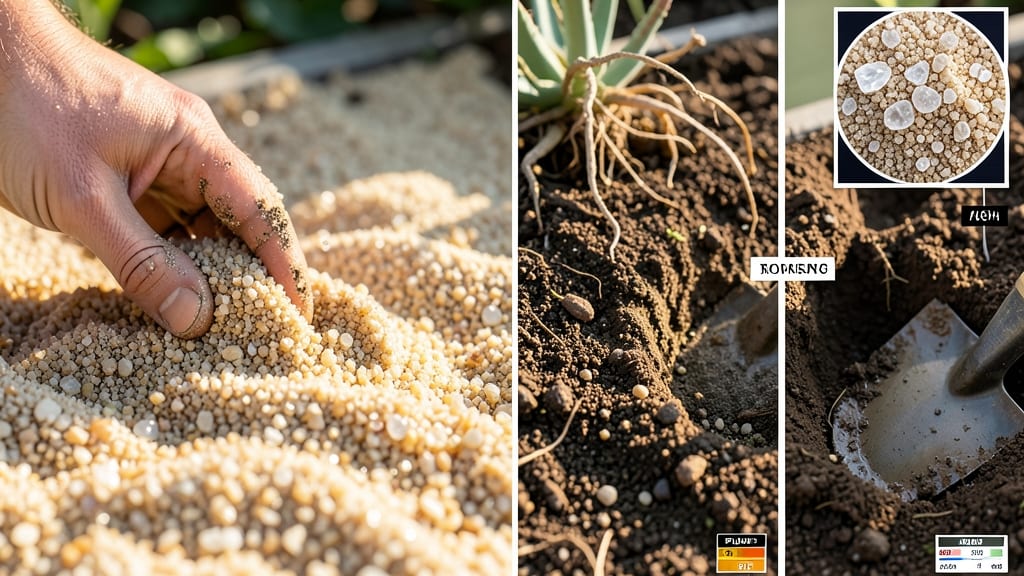
Sand soil pictures show you how to spot its distinctive pale, coarse particles that don't hold moisture, making it common in deserts or beachfront gardens where drainage is rapid and nutrients are scarce.
Recognizing sand soil visually is key to understanding why plants struggle in it. 🌱 The grains feel gritty between your fingers and don't clump together, unlike clay or loam.
This type of soil drains water so quickly that roots often can't access enough moisture or nutrients, which is why gardeners mix in organic matter like compost or peat moss to create a more balanced growing medium.
What makes sand soil unique is its mineral composition—typically made of broken-down quartz or other rocks—giving it that signature light color.
Coastal areas and deserts are prime examples where you'll find it naturally occurring, but even inland gardens can have sandy patches that need special attention to support plant life effectively.
💡 In This Article
- How to Identify Sand Soil by Texture and Composition
- Best Plants and Amendments for Sandy Garden Soil
How to identify sand soil by texture and composition
Sand soil stands out immediately when you run it through your fingers—its grains feel rough and gritty, like crushed glass or fine sugar, with individual particles that don't stick together.
Under a magnifying glass, you'd see these particles range from 0.05 to 2 millimeters in diameter, far coarser than silt (0.002 to 0.05 mm) or clay (less than 0.002 mm).
This grain size creates those signature air pockets that make sand drain water at a rate of 1-2 inches per hour, compared to clay's slow 0.1 inches per hour.
The color of sand soil typically appears pale—ranging from white to light tan or even reddish-brown—due to its mineral composition, often dominated by quartz (silicon dioxide) which reflects light differently than darker organic soils.
Coastal sand, for example, might contain shell fragments that give it a slightly off-white hue, while desert sands often include iron oxides that create rusty tones. 🌊 What's fascinating is how these mineral particles lack the organic matter found in loam or clay, which is why sand feels so sterile and inert when you handle it.
This lack of organic matter directly impacts plant roots. In sand, roots struggle to anchor properly because the particles don't bind together, while water and nutrients simply flow through instead of being held near the roots. Imagine trying to drink through a sieve—water passes right through, leaving little behind.
That's why sand gardens often need 20-30% organic amendments by volume to create pockets where moisture and nutrients can temporarily accumulate, mimicking the water-holding capacity of loam.
Here's a quick comparison to help you visualize: hold a handful of each soil type. Sand feels like it's trying to slip through your fingers, clay sticks together like wet modeling clay, while loam holds its shape loosely—like damp playdough.
This tactile difference is your first clue to what you're working with. The porosity of sand also means it heats up faster in sunlight, which can stress plants that prefer cooler root zones.
One common misconception is that all light-colored soils are sand. Some volcanic soils or heavily limed areas can appear pale but have very different textures. To test, try the "squeeze test": wet a sample and press it between your thumb and forefinger.
Sand won't hold together at all, while clay will form a firm ball. Loam will crumble slightly when dry but hold a loose shape when wet. This simple test reveals why sand behaves so differently in your garden. 🌱
Understanding these physical characteristics helps explain why sand gardens require such different care. The key is recognizing that you're not just dealing with "dirt"—you're working with a mineral-based medium that behaves more like a filter than a growing medium.
This knowledge becomes your foundation for making smart amendments and plant choices that will actually thrive in these conditions.