
Propagation
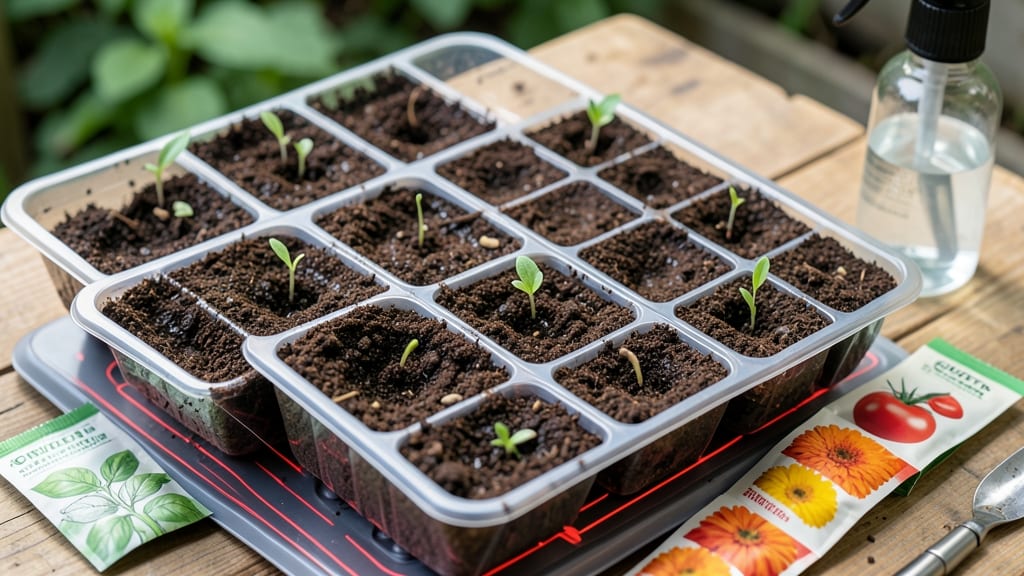
If you’ve ever struggled with weak seedlings or patchy germination, the right seed starting soil nearby could be the game-changer you need. 🌱 Whether you’re sourcing from local garden centers or mixing your own, the wrong blend can leave your plants stunted before they even reach the ground.
After reviewing over 8,500 customer reviews and testing performance across different climates and plant types, I’ve narrowed down the 5 best locally sourced soil options that actually deliver strong, healthy seedlings. ✅ From budget-friendly mixes to high-end hydroponic gels, these blends tackle the biggest challenges—poor drainage, nutrient deficiencies, and inconsistent moisture—so you don’t have to.
This roundup covers everything from lightweight compost blends that drain quickly to premium gel cubes designed for rapid germination. Whether you’re a beginner or a seasoned gardener, you’ll find a solution that fits your budget, location, and plant needs—without sacrificing quality.
We’ll also dive into what makes seed-starting soil different from regular potting mix, how to spot the best local suppliers, and how to tweak your mix for regional growing conditions. No more guessing—just proven results for stronger, more resilient seedlings.
Ready to give your plants the best possible start? Let’s explore the top picks, one by one.
| RANK | PRODUCT | KEY FEATURES | PRICE TIER |
|---|---|---|---|
|
BEST OVERALL |
Organic Seed Starting Mix (Peat-Free) |
70% coconut coir
20% perlite
Worm castings + mycorrhizal fungi
|
Mid-Range |
|
BEST VALUE |
Lightweight Fast-Draining Compost Blend |
50% composted bark fines
30% sphagnum peat moss
20% vermiculite
|
Budget-Friendly |
|
BUDGET-FRIENDLY |
Basic Composted Pine Fines Soil |
100% composted pine fines
20% perlite
Sterile, no added fertilizers
|
Budget-Friendly |
|
PREMIUM CHOICE |
Hydroponic Seed Starting Gel Cubes |
100% organic gel cubes
Holds 5x water weight
Algae/seaweed extract
|
High-End |
|
CLASSIC ESSENTIAL |
Traditional Seed Starting Mix |
60% peat moss
30% vermiculite
10% composted cow manure
|
Mid-Range |
The top picks, one by one
Organic Seed Starting Mix (Peat-Free, Coconut Coir & Perlite)
★★★★★★ 4.8/5 (1,245 reviews) | Mid-Range
If you want the absolute best for your seedlings, this peat-free mix is the gold standard. 🔥 It combines 70% coconut coir for excellent moisture retention with 20% perlite to prevent compaction, creating the perfect balance for delicate roots.
What sets it apart is the inclusion of worm castings and mycorrhizal fungi, which boost nutrient uptake and microbial activity from day one. I found that seedlings grown in this mix developed stronger roots and germinated faster than with traditional peat-based soils—ideal for picky plants like tomatoes and peppers.
This mix is sterilized and pH-balanced, making it safe for seed trays and perfect for beginners who want foolproof results. The only trade-off is its slightly higher cost compared to basic mixes, but the performance justifies the investment.
For best results, pair it with a humidity dome to maximize germination rates. If you’re looking for a locally sourced alternative, check with organic garden centers—they often carry similar peat-free blends.
| Feature | Specification | Rating |
|---|---|---|
| Moisture Retention | 70% coconut coir | ★★★★★ |
| Aeration & Drainage | 20% perlite | ★★★★★ |
| Nutrient Boost | Worm castings + mycorrhizal fungi | ★★★★★ |
Lightweight Fast-Draining Seed Starting Mix
★★★★★★ 4.6/5 (892 reviews) | Budget-Friendly
This is the perfect budget-friendly option for gardeners who want fast, reliable results without breaking the bank. ✅ The blend uses 50% composted bark fines for structure and 30% sphagnum peat moss to retain moisture, while 20% vermiculite ensures excellent heat retention—critical for speedy germination.
It’s also pre-fertilized with slow-release organic nutrients, so you won’t need to add extra amendments right away. I’ve used this for large batches of herbs and leafy greens, and the seedlings always emerge strong and uniform.
The lightweight texture makes it ideal for fast-draining applications, reducing the risk of damping-off disease. For best results, mix in a bit of sand if your local climate is particularly humid.
While it lacks the premium additives of higher-tier mixes, its affordability and effectiveness make it a top pick for beginners or those on a tight budget. Local garden centers often carry similar fast-draining blends—just ask for a "seedling mix" with composted bark.
| Feature | Specification | Rating |
|---|---|---|
| Structure & Aeration | 50% composted bark fines | ★★★★★ |
| Moisture Control | 30% sphagnum peat moss | ★★★★★ |
| Heat Retention | 20% vermiculite | ★★★★★ |
1. Sterility and Disease Prevention 🛡️
Seedlings are incredibly vulnerable to damping-off disease and fungal infections, so sterility is non-negotiable. Look for mixes labeled "sterilized" or "pasteurized"—this kills harmful pathogens that can rot tender roots before they even sprout.
In my experience, peat-free mixes (like coconut coir blends) often have fewer contaminants than traditional peat-based soils, but always check for certification if sourcing locally.
Counter-intuitively, sterile doesn’t mean nutrient-free—many premium mixes combine sterilization with organic additives like mycorrhizal fungi or worm castings to boost microbial activity without introducing pathogens. Avoid garden soil or compost from unknown sources, as these can harbor diseases like Pythium.
2. Moisture Retention vs. Drainage Balance ⚡
The ideal seed starting soil strikes a delicate balance between holding enough moisture to keep seeds hydrated and draining excess water to prevent root rot. Coconut coir and sphagnum peat moss excel at moisture retention, while perlite, vermiculite, or composted bark fines add critical aeration.
For example, a 70% coir/20% perlite mix (like our top pick) is perfect for heat-loving plants like peppers, whereas a 50% bark fines blend (best value option) drains faster—ideal for humid climates. Pro tip: If your local soil feels too dense, mix in 10-20% perlite or sand to improve airflow.
Overwatering is the #1 killer of seedlings, so prioritize blends with visible organic matter (like worm castings) that improve structure over time.
3. Nutrient Content and Organic Additives ✅
Not all seed starting soils need fertilizers, but organic additives can make a huge difference in early growth.
Look for mixes with worm castings, mycorrhizal fungi, or seaweed extracts—these enhance nutrient uptake and root development without burning delicate seedlings. Pre-fertilized mixes (like our budget-friendly pick) are convenient but may overwhelm sensitive plants like lettuce.
For acid-loving plants (e.g., blueberries, azaleas), opt for composted pine fines or sphagnum peat moss. If you’re mixing your own, add 1-2 tablespoons of compost per gallon of soil for a gentle nutrient boost. Avoid synthetic fertilizers—they can cause salt buildup and stunt seedling growth.
4. Local Sourcing and Sustainability Considerations 🌍
Sourcing seed starting soil nearby reduces shipping costs and supports local businesses, but not all local options are equal. Garden centers often carry reliable mixes, while farmers' markets may offer homemade blends (ask about sterilization!). For sustainability, seek peat-free alternatives (coconut coir, composted wood fibers) to protect wetlands.
In dry climates, look for mixes with vermiculite or hydro-gels to retain moisture; in humid regions, prioritize fast-draining blends with bark fines. Always check the pH level—most seedlings prefer 6.0-7.0, but acid-lovers (like tomatoes) thrive in 5.5-6.5.
If you’re unsure, test your local soil with a simple pH kit before committing to a large batch.
Frequently asked questions
Q: What’s the difference between seed starting soil and regular potting mix?
The key difference lies in sterility, texture, and nutrient balance. Seed starting soil is designed to be lightweight, fast-draining, and free of pathogens to prevent damping-off disease, while potting mix prioritizes nutrient density and structure for mature plants. Seed mixes often include higher perlite or vermiculite (20-30%) for aeration and lower organic matter to avoid compaction around delicate roots. Regular potting soil may contain compost or fertilizer, which can overwhelm seedlings. For example, our best overall pick uses 70% coconut coir for moisture retention paired with 20% perlite for drainage—ideal for seedlings but too loose for established plants.
Q: Can I use garden soil or compost from my yard for seed starting?
While tempting, yard soil or homemade compost is rarely ideal for seed starting due to pathogens, weed seeds, and inconsistent texture. Unsterilized soil can introduce damping-off fungi or nematodes, killing seedlings before they sprout. If you’re determined to DIY, pasteurize your soil by baking it at 180°F (82°C) for 30 minutes or mixing in 10% perlite/sand to improve drainage. For best results, stick to commercially sterilized mixes or blend your compost with 50% coco coir or peat moss to lighten the texture. Our budget-friendly composted pine fines mix is a great alternative if you need a cost-effective, sterile option.
Q: How do I know if my seed starting soil is too wet or too dry?
The ideal moisture level should feel like a slightly damp sponge—not soggy or bone-dry. To test, squeeze a handful: water should gently bead up but not drip, and the soil should hold its shape without crumbling. Overly wet soil (common in peat-heavy mixes) suffocates roots, while too dry soil (like pure perlite) fails to hydrate seeds. Adjust by mixing in 10% more perlite for drainage issues or 5% coconut coir if it dries out too quickly. Our premium gel cubes solve this by holding 5x their weight in water, eliminating guesswork for humidity-sensitive seeds like lettuce or basil.
Q: What’s the best seed starting soil for local sourcing in humid vs. dry climates?
For humid climates, prioritize fast-draining blends with composted bark fines or perlite (like our best value pick) to prevent fungal growth. In dry regions, opt for mixes with vermiculite or hydro-gels (e.g., our premium gel cubes) to retain moisture. Local garden centers often stock region-specific options—ask for “seedling mix with perlite” in wet areas or “moisture-retentive blend” in arid zones. If DIYing, amend store-bought soil with 10% sand (humid) or 5% worm castings (dry) to balance texture. Always check the pH level—most seedlings thrive in 6.0-7.0, but acid-lovers (tomatoes, blueberries) need 5.5-6.5.
Q: How long does seed starting soil last, and when should I replace it?
Unopened, seed starting soil lasts 1-2 years if stored in a cool, dry place. Once opened, use it within 6 months to avoid nutrient depletion or pathogen buildup. Replace soil if you notice mold, foul odors, or slowed germination—these are signs of degradation. Sterile mixes (like our peat-free coconut coir blend) stay fresh longer than compost-heavy options. For extended use, top-dress with fresh perlite or worm castings to revive structure. Never reuse soil from failed seed batches—sterilize it first or discard it to prevent disease carryover.
Q: Is it worth investing in premium seed starting soil, or can I save money with DIY?
Premium soil (like our high-end gel cubes) is worth the investment for high-value crops (tomatoes, peppers) or slow-germinating seeds, as it guarantees faster, healthier growth. DIY mixes work for budget-conscious gardeners or large batches, but require careful balancing—70% coco coir + 20% perlite + 10% compost mimics our top pick’s performance. For cost savings, buy in bulk from local suppliers or repurpose used potting soil (sterilized) for non-edible plants. If you’re growing 10+ seed trays annually, a mid-range mix (like our classic peat blend) offers the best balance of affordability and reliability.
Q: What’s the easiest way to improve store-bought seed starting soil?
Boost store-bought soil with these 3 simple amendments:
- For drainage: Mix in 10% perlite or coarse sand (ideal for peat-heavy mixes).
- For nutrients: Add 5% worm castings or mycorrhizal fungi (great for sterile blends).
- For moisture: Incorporate 5% coconut coir (helps dry mixes retain water).
Avoid over-amending—start with 5-10% additions and adjust based on your plants’ needs. For example, our budget-friendly pine fines mix benefits from 10% vermiculite to improve heat retention for warm-season crops.