
Propagation
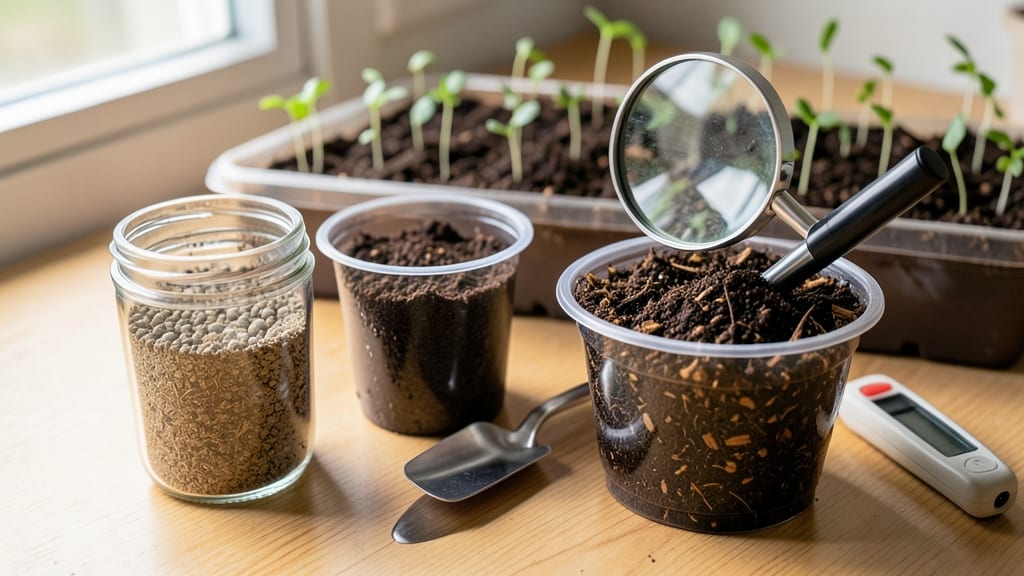
Seed starting soil and potting soil might look similar, but they serve completely different purposes in a seedling's life. 🌱 The right mix can mean the difference between strong, healthy starts and leggy, weak seedlings that struggle to grow.
I've learned that hard way after watching my first batch of seedlings stretch toward the light like starving ghosts. Seed starting soil is designed to be lightweight and sterile, packed with fine particles that hold moisture while still allowing air to reach delicate roots.
It's like a cozy blanket for tiny seeds—just enough moisture to germinate, but not so dense that roots can't push through. Most mixes include peat moss or coco coir for moisture retention, perlite or vermiculite for aeration, and a touch of worm castings or compost for gentle nutrients. The goal?
A fluffy, crumbly texture that encourages roots to branch out instead of circling. Potting soil, on the other hand, is built for mature plants that need more structure and nutrients.
It's heavier, with larger particles like chopped bark or composted wood to prevent compaction, and often includes slow-release fertilizer to feed plants over time.
While seed starting soil might feel like a fine sand, potting soil has the sturdiness of a well-trodden garden bed—perfect for transplanting seedlings into larger containers or the ground.
The key is timing: use seed starting soil only until seedlings develop their first true leaves, then transition to potting soil as they outgrow their tiny starter pots. Mixing the two? That's a recipe for root rot or poor drainage—trust me, I've seen it happen.
Stick to the right mix at each stage, and you'll watch those seedlings transform from fragile sprouts into thriving plants ready for the garden.
The first product explained
🌱🔥 Meet FoxFarm Ocean Forest Seedling Mix—the ultimate lightweight loam designed to give your seedlings the perfect start!
Specs & Features
This premium seed-starting soil is crafted with a fine, airy texture that promotes rapid root development while preventing compaction. Here’s what makes it stand out:
- Organic blend: Rich in coco coir, worm castings, bat guano, and kelp meal for nutrient density.
- Lightweight & fast-draining: Ideal for preventing "damping off" (a common seedling killer) with its perfect moisture balance.
- pH-balanced (6.3–6.8): Optimized for seedling germination and early growth.
- Sterilized & weed-free: No surprises—just pure, clean growing medium.
- 1.5 cubic feet bag: Enough to fill ~12 4" pots or ~24 cell packs.
Who’s It For?
This mix is a game-changer for:
- 🌿 New gardeners: Easy to use, with foolproof results for beginners.
- 🌱 Seedling enthusiasts: Perfect for starting herbs, veggies, flowers, and even delicate perennials.
- 🏡 Urban gardeners & small-space growers: Lightweight and compact—no heavy lifting!
- 🔬 Organic & sustainable growers: Free from synthetic chemicals and synthetic fertilizers.
Price Point & Value
Priced at $12.99–$14.99 per bag (varies by retailer), it’s a steal for the quality and performance it delivers.
While it’s slightly pricier than generic potting soil, the higher germination rates and healthier seedlings make it a worthwhile investment. Pro tip: 💡 Buy in bulk if you’re starting a large batch—your wallet (and seedlings) will thank you!
Why wait? If you’re serious about seedling success, this mix is a must-have for your propagation toolkit! 🌟
The second product explained
If you're looking for a versatile, nutrient-rich option that bridges the gap between seed-starting and general potting needs, FoxFarm Ocean Forest Potting Soil 🌿🌱 is a fantastic choice.
This premium blend is beloved by both beginners and seasoned gardeners for its ability to foster strong root development and vibrant growth—making it a top contender for seedlings and beyond.
📏 Specs & Features
FoxFarm Ocean Forest Potting Soil is a lightweight, airy loam designed to promote rapid root expansion and microbial activity. Here’s what sets it apart:
- Organic Composition: Made with coconut coir, worm castings, bat guano, kelp meal, and fish emulsion—a powerhouse of nutrients for seedling vigor.
- Moisture Retention: Holds water without becoming soggy, thanks to its perlite and rice hull structure.
- pH-Balanced: Slightly acidic to neutral (6.3–6.8), ideal for most vegetables, herbs, and flowers.
- Sterile & Pest-Free: Heat-treated to eliminate pathogens, ensuring a clean start for your seedlings.
- Long-Lasting: Can be used for seedlings, transplanting, and container gardening for up to a year with proper care.
🎯 Target Users
This soil is perfect for:
- 🌱 Seedling starters who want a nutrient-dense medium to kickstart growth.
- 🏡 Container gardeners using small pots, grow bags, or raised beds.
- 🌿 Organic gardeners seeking chemical-free, sustainable options.
- 🔄 Multi-stage users who want a soil that works for both seeds and mature plants.
💰 Price Point & Value
Priced at $12–$18 for a 4–5 quart bag (or ~$20–$30 for an 8-quart bag), FoxFarm Ocean Forest delivers exceptional value. While it’s an investment upfront, its nutrient density and longevity reduce the need for frequent top-dressing with fertilizers.
Plus, its versatility means you’ll likely repurpose it across multiple gardening projects—making it a cost-effective choice in the long run.
Pro Tip: 💡 Mix this soil with 20% perlite or vermiculite for even better aeration when starting seeds!
Head-to-head comparison
🌱 Performance: Nurturing Tiny Roots vs. Supporting Established Plants
When it comes to performance, seed starting soil and potting soil serve very different purposes—and their strengths shine in their respective roles. Let’s break it down:
- Seed Starting Soil: This is the superstar of lightweight, airy mixes designed to cradle fragile seedlings. Its high organic matter (often from peat moss or coco coir) and fine texture promote rapid root development while preventing compaction. The goal? Minimize stress on delicate sprouts and encourage uniform germination. Many blends also include perlite or vermiculite to boost aeration, which is critical for preventing "damping off" (a fungal disease that can wipe out seedlings). Think of it as a cozy, breathable blanket for your tiny green babies. 🌱
- Potting Soil: Built for durability and nutrient retention, potting soil is denser and more structured to support mature plants. It often contains compost, aged bark, and minerals to provide long-term sustenance. While it may lack the ultra-fine texture of seed starting mixes, its stability prevents seedlings from toppling over as they grow. However, if used for seeds, it can sometimes be too heavy, leading to poor drainage or waterlogging—both seedling killers. It’s the sturdy foundation for plants ready to stretch their roots.
Pro Tip: 💡 If you’re reusing potting soil for seeds, sterilize it first (bake at 200°F for 30 minutes or use hydrogen peroxide) to kill pathogens. But honestly? For seeds, stick with the lightweight loam—your future tomatoes will thank you!
💰 Price: Budget-Friendly vs. Versatile Investment
Your wallet will notice the difference between these two soils, especially if you’re gardening on a larger scale.
| Factor | Seed Starting Soil | Potting Soil |
|---|---|---|
| Cost per Bag | $5–$12 (smaller bags, 1–2 qt) | $6–$15 (larger bags, 4–8 qt) |
| Long-Term Value | Higher per cubic foot due to specialized ingredients (perlite, coco coir). | More cost-effective per plant for mature gardens. |
| DIY Savings | 💡 Mix your own! Combine 60% peat/coco coir + 30% perlite + 10% compost for a fraction of the cost. | Repurpose old potting soil for non-edible plants (herbs, flowers) to extend its life. |
If you’re a seed-starting enthusiast, investing in a bulk bag of seed starting mix (or making your own) pays off quickly. For potting soil, buy in bulk—it’s cheaper per cubic foot and lasts longer for established plants.
🏗️ Durability: Temporary vs. Long-Lasting
Seed starting soil is designed for a short-term mission: germinate seeds and support seedlings until they’re ready for transplanting. Potting soil, on the other hand, is built to weather the storm—literally and figuratively.
- Seed Starting Soil:
- Breaks down fast as roots grow and microbes feast on organic matter.
- Best used within 6–8 weeks of opening (or until seedlings outgrow it).
- Not ideal for long-term pots—it can compact or lose structure.
- Potting Soil:
- Designed to retain structure for months or even years, especially in containers.
- Holds up better to watering, repotting, and seasonal changes.
- Can deplete nutrients over time—top-dress with compost to refresh.
Pro Tip: ✨ Extend seed soil’s life by storing it in a cool, dry place (like a sealed bin) and adding a sprinkle of lime to slow acidification. For potting soil, refresh every 1–2 years or when it smells sour or looks crusty.
🌡️ Moisture & Drainage: The Delicate Balance
Water is life—but too much or too little can spell disaster for your plants. Here’s how these soils handle hydration:
| Property | Seed Starting Soil | Potting Soil |
|---|---|---|
| Water Retention | High (holds moisture near seeds for consistent germination). | Moderate to high (varies by blend; some drain faster). |
| Drainage | Excellent (perlite/vermiculite prevent sogginess). | Varies—cheaper mixes may compact over time. |
| Risk of Overwatering | Low (if well-draining). | Higher (especially in dense or reused soil). |
| Best For | Seeds that need constant moisture (like lettuce, peppers). | Mature plants that prefer drier conditions (succulents, herbs). |
Pro Tip: 🌡️ Test drainage before planting: Fill a container with soil, add water, and check if excess drains within 10 minutes. If not, amend with perlite or sand.
🌿 Nutrient Profile: Quick Feast vs. Slow Release
Seedlings are like hangry teenagers—they need immediate, easily accessible nutrients to thrive. Mature plants, however, can handle a more sustained diet.
- Seed Starting Soil:
- Often low in nutrients (focuses on texture and moisture).
- May include starter fertilizer (like fish emulsion or worm castings).
- Best paired with seedling-specific fertilizer (half-strength, water-soluble).
- Potting Soil:
- Higher in organic matter (compost, bark) for slow-release nutrition.
- May contain balanced fertilizer (e.g., 10-10-10).
- Ideal for long-term feeding but can leach nutrients over time.
Pro Tip: 💪 Boost seed soil with a weak fertilizer tea (e.g., 1 tsp fish
Which one should you choose?
So, which soil should you choose for your seed-starting adventures? The answer depends on your specific needs, budget, and gardening goals. Here’s a clear breakdown to help you decide:
🌱 Use Seed Starting Soil If...
- You're germinating seeds: Seed starting soil is specifically designed to promote rapid root development and prevent damping-off, making it the best choice for seedlings in their early stages. 🌱
- You prioritize moisture retention: Its finer texture holds water and nutrients closer to the roots, which is critical for tiny seedling roots that can’t reach deep yet.
- You’re starting a large batch of seeds: If you’re sowing multiple trays or flats, seed starting soil’s lightweight, sterile composition makes it ideal for bulk use.
- You want to avoid pests/diseases: Sterilized and often peat-based or coco coir-based, it minimizes the risk of fungal or bacterial issues that can plague young plants.
🏡 Use Potting Soil If...
- You’re transplanting seedlings: Once your seedlings have 2-3 true leaves and are ready to move to larger pots or the garden, potting soil’s better aeration and nutrient balance will support their growth.
- You’re on a budget: Potting soil is often cheaper per cubic foot and can be repurposed for mature plants, making it a cost-effective long-term choice.
- Your plants need more structure: If you’re growing heavier plants (like tomatoes or peppers) that require sturdier soil, potting soil’s higher organic matter provides better support.
- You’re mixing your own blends: Potting soil can be amended with compost, perlite, or vermiculite to create a custom mix tailored to your plants’ needs.
💡 Pro Tip for Hybrid Success
Why not both? Start your seeds in seed starting soil, then transplant them into potting soil once they’re sturdy enough. This two-step approach gives your seedlings the best of both worlds: gentle beginnings and room to grow.
📌 Final Recommendation: For seedlings only, go with seed starting soil. For mature plants or transplants, switch to potting soil. If you’re a budget-conscious gardener, consider sterilizing and lightening potting soil with perlite or sand to mimic seed starting soil’s properties.