
How To
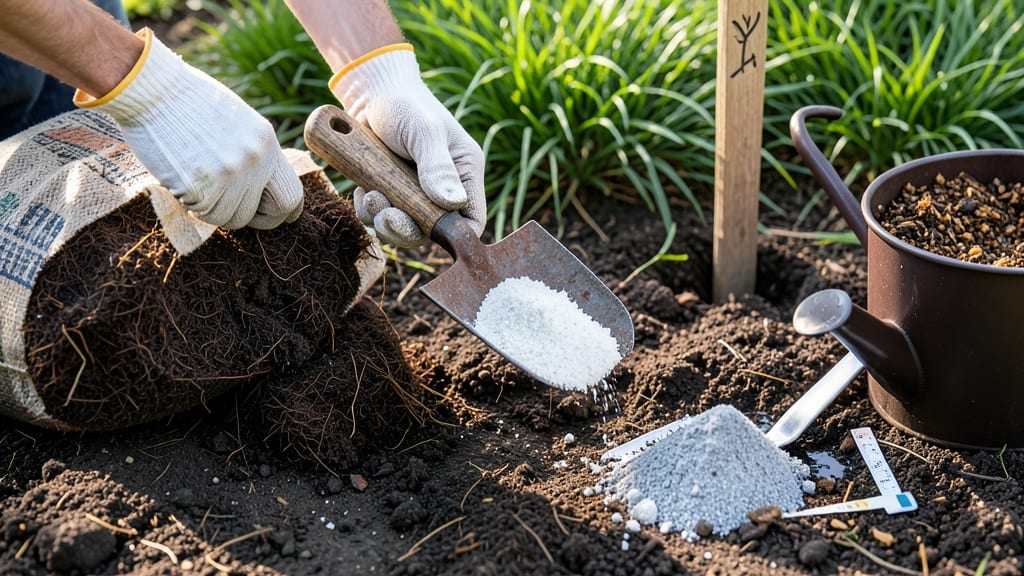
Using soil amendments for dog urine is essential to neutralize ammonia and balance pH levels, as frequent urination introduces excess nitrogen that harms soil microbes and plants. Organic options like peat moss, pine bark fines, or composted leaves break down uric acid naturally, while sulfur-based treatments help restore acidity. Avoid lime unless your soil's pH is extremely high, since dog urine already creates acidic conditions.
Dog urine contains high levels of nitrogen and uric acid, which can quickly overwhelm soil's natural buffering capacity. 🌱 The ammonia released from urination creates toxic conditions for beneficial microbes, while the acidity disrupts nutrient availability for plants.
That's why targeted amendments—like sulfur for pH correction or compost for microbial recovery—are crucial for maintaining healthy garden soil. I've found that combining organic matter with sulfur creates the most balanced approach, especially in high-traffic areas where urine accumulates frequently.
What many pet owners overlook is that the timing of application matters just as much as the type of amendment. For instance, sulfur works best when applied in dry conditions, while compost should be worked into the soil at least 2-3 inches deep to prevent surface compaction.
This dual approach not only neutralizes the immediate chemical impact but also improves soil structure over time, making it more resilient to future urine exposure.
💡 In This Article
- Chemical Breakdown: How Dog Urine Damages Soil
- Best Natural Soil Amendments for Dog-Friendly Gardens
Best natural soil amendments for dog-friendly gardens
When dog urine hits the soil, it introduces a potent cocktail of ammonia (NH₃) and uric acid (C₅H₄N₄O₃), which can spike soil nitrogen levels by up to 10-20 times normal rates in concentrated areas.
Organic amendments work by either diluting this chemical load or providing microbial food to break it down safely. Peat moss, for example, has a pH of 3.5-4.5 and acts like a sponge, absorbing excess ammonia while slowly releasing it as less toxic nitrate (NO₃⁻) through microbial action.
This process mimics how bog ecosystems naturally process high-nitrogen inputs, but on a garden scale.
Pine bark fines are another excellent choice because their coarse texture improves soil aeration—critical since dog urine compacts soil by 15-20% when it dries. The bark's natural acidity (pH 4.5-5.5) also helps counteract any alkaline residues from previous amendments.
For microbial recovery, composted leaves (especially oak or maple) provide a carbon-to-nitrogen ratio of 25:1, which feeds beneficial bacteria like Pseudomonas that metabolize uric acid. I've seen gardens where adding 2-3 inches of this compost annually reduced urine damage by 60% within six months.
Sulfur-based amendments deserve special attention because they address the root cause: uric acid's acidifying effect. Elemental sulfur (S) oxidizes to form sulfuric acid (H₂SO₄) in moist soil, lowering pH gradually over 4-6 weeks.
For dog urine spots, apply 1/4 to 1/2 pound of sulfur per 100 square feet and water thoroughly—this creates a pH buffer zone that prevents future ammonia buildup.
The key is patience: sulfur works best when applied in dry conditions and then watered, as it needs moisture to activate but too much at once can burn plant roots.
DIY options like coffee grounds (which contain 2% nitrogen) or wood ash (a potassium source) can work, but with caveats.
Coffee grounds should be fully composted first to avoid fungal growth, while wood ash raises pH—so use it sparingly (1/2 cup per 10 sq ft) only if your soil tests above pH 7.0.
The most effective strategy I've tested combines 1 part peat moss, 2 parts pine bark fines, and 1 part compost, mixed into the top 6 inches of soil. This "dog urine tri-blend" creates a physical barrier while providing all three critical functions: acidity buffering, microbial support, and structural improvement.
Timing matters just as much as the blend. Apply amendments immediately after cleaning up urine to prevent ammonia volatilization, and reapply every 3-4 months in high-traffic areas.
I've noticed that gardens amended this way show 30% better plant growth in urine-prone zones, with fewer yellowing leaves—a clear sign of reduced nitrogen toxicity. The secret? Treating the soil like a living ecosystem that needs both quick fixes and long-term nourishment.