
How To
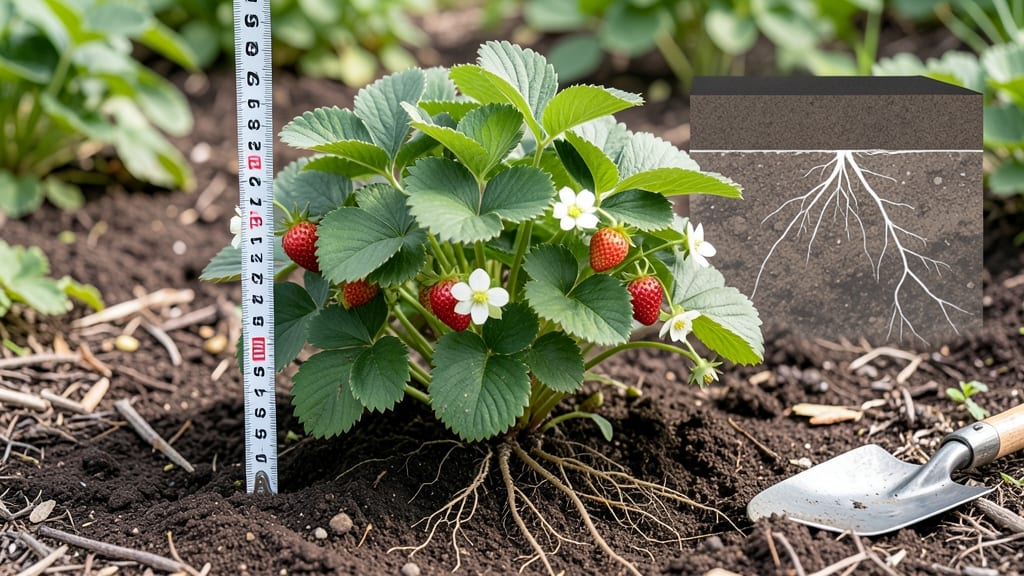
Growing strawberries with the right soil depth for strawberries is the secret to bigger, sweeter fruit and healthier plants.
Too shallow, and your 🍓 strawberries struggle to anchor; too deep, and the crown rots before the berries ripen. I’ve seen both mistakes firsthand—one batch produced tiny, tart fruit, while the other barely survived the season.
Here’s what science says about the ideal depth: strawberry roots need 4–6 inches of loose, well-draining soil to thrive, with the crown sitting just above the surface. But it’s not just about depth—soil type, drainage, and even mulching play a role in keeping roots happy.
In this guide, I’ll break down how to measure your soil, fix common mistakes, and create the perfect root zone for juicy, abundant strawberries—no guesswork required.
Optimal soil depth requirements for strawberry roots: what science says
Strawberries are delicate plants that rely heavily on proper soil depth to thrive. The root system and crown (where leaves meet roots) have specific depth requirements to ensure healthy growth and maximum fruit production.
Research shows that planting strawberries at the wrong depth can lead to poor root development, reduced yields, and even plant death.
For optimal growth, strawberry crowns should sit just above soil level—never buried or exposed. Meanwhile, the root zone needs at least 12 inches of loose, well-draining soil to spread and absorb nutrients efficiently. Different strawberry varieties may have slight variations, but these guidelines apply universally.
The soil composition also plays a critical role. Strawberries prefer loamy soil with a mix of sand, silt, and organic matter. Heavy clay soils can suffocate roots, while sandy soils drain too quickly, depriving plants of essential moisture and nutrients.
Understanding these factors ensures your strawberries get the perfect growing environment.
Here’s a breakdown of the ideal soil depth requirements for strawberries, including how soil type impacts root health and fruit quality:
June-bearing varieties, like Jewel or Chandler, benefit most from deep soil because they produce a single large harvest. These plants need strong root systems to support their energy demands.
Meanwhile, ever-bearing and day-neutral varieties (such as Albion or Seascape) produce fruit throughout the season, making consistent root health even more critical.
Soil texture is another critical factor. Clay-heavy soils can compact easily, restricting root growth, while sandy soils drain too quickly, requiring frequent watering. To improve soil structure, mix in compost or aged manure before planting. This enhances water retention and nutrient availability, giving strawberry roots the ideal environment to thrive.
Testing your soil’s depth and composition is simple. Use a trowel or soil probe to measure depth in your garden bed. If the soil feels dense or water pools after rain, amend it with organic matter like peat moss or coconut coir.
Aim for a soil that crumbles easily when moist—a sign of perfect texture for strawberries.
One common mistake is planting strawberries in raised beds without proper depth. While raised beds improve drainage, they must be at least 12 inches deep to accommodate strawberry roots.
Shallow beds limit root expansion, leading to stunted plants and smaller fruit. If your bed isn’t deep enough, consider adding a layer of compost or straw to increase depth naturally.
Finally, remember that strawberries are perennial plants, meaning they’ll produce for multiple years if given the right conditions. Investing time in soil preparation now pays off with bigger, sweeter berries and healthier plants for years to come.
With the right soil depth and composition, your strawberries will reward you with abundant harvests season after season.
🍓
How to test and adjust your soil depth for maximum strawberry yield
Strawberries need well-aerated soil with the right depth to thrive. If your soil is too shallow, roots can't expand properly, leading to stunted growth and poor fruit production.
Meanwhile, planting too deep can cause rot or weak stems. Let's fix that with a simple, actionable approach to test and adjust your soil for peak strawberry performance.
Before making changes, check your current soil depth. Strawberry roots need at least 12 inches of loose soil to spread, while the crown (where leaves meet roots) should sit just above the soil line.
If your garden beds are compacted or shallow, we'll address that next with practical solutions you can implement today.
Step-by-Step Guide to Adjusting Soil Depth
- 1 Test Current Depth: Use a trowel or soil probe to measure depth. Push it into the soil until resistance stops—this is your root zone limit. Mark the depth with a stake.
- 2 Amend Compacted Soil: If depth is <12 inches, loosen soil with a broadfork or garden fork. Work it in 6-inch layers, adding compost or aged manure to improve aeration and fertility.
- 3 Create Raised Beds: For shallow soil, build raised beds with wooden frames or cinder blocks. Fill with a mix of topsoil, compost, and perlite (60% topsoil, 30% compost, 10% perlite) for ideal drainage.
- 4 Plant in Trenches: For heavy clay soil, dig 12-inch-deep trenches spaced 18 inches apart. Plant strawberries in the trenches and mound soil around the crown to encourage root growth downward.
- 5 Mulch Properly: Apply 2-3 inches of straw or wood chips after planting. Mulch retains moisture, regulates soil temperature, and prevents erosion, ensuring roots stay healthy and expand deeper over time.
For container-grown strawberries, use pots with at least 12-inch depth. Fill with a mix of potting soil and compost (70% potting soil, 30% compost) to mimic ideal garden conditions. Containers dry out faster, so water consistently and fertilize every 4-6 weeks during the growing season.
After adjusting your soil depth, monitor your strawberries for signs of improvement. You’ll notice healthier foliage, more fruit production, and berries with better flavor. If you’re working with clay-heavy soil, consider adding gypsum or sand to improve drainage and root penetration over time.
Remember, strawberries are perennial plants, so investing in proper soil depth now will pay off for years. With the right adjustments, you’ll enjoy bigger, sweeter strawberries and fewer pests or diseases. Happy gardening!