
Container Gardens
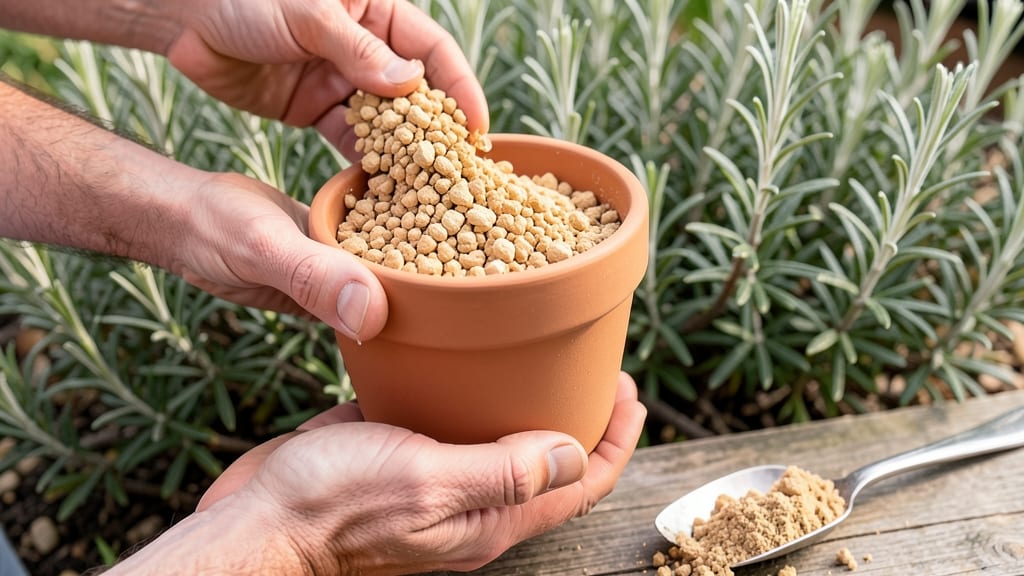
Growing herbs in pots requires the right soil to prevent root rot and maximize flavor. These 10 fast-draining soil mixes—from store-bought blends to DIY recipes—ensure your basil, thyme, and cilantro thrive while keeping pests and soggy roots at bay.
Cactus and Succulent Soil Blend
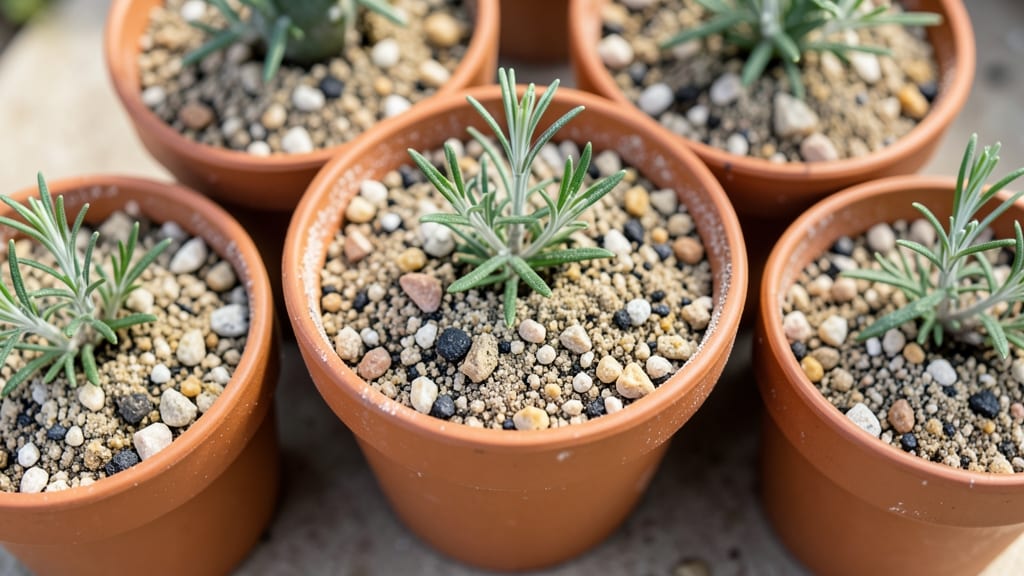
Forget the guesswork of watering—cactus and succulent soil blends are the secret weapon for growing rosemary, oregano, and thyme in pots. This gritty, fast-draining mix mimics their natural desert conditions, ensuring roots stay happy without the risk of soggy soil or wilting.
The magic lies in its coarse texture—typically a mix of pumice, perlite, and coarse sand—that prevents compaction while allowing just enough moisture to seep through. For best results, pair it with terracotta pots (which also wick away moisture) and water only when the top inch feels bone-dry. This blend is especially forgiving for forgetful gardeners who tend to overwater, as it dries out faster than standard potting soil.
Perfect for sun-drenched balconies or kitchen windowsills, this soil keeps drought-tolerant herbs thriving with minimal fuss. It’s also lightweight, making it ideal for hanging pots or small containers where weight matters. 🌱
Peat-Free Organic Potting Mix
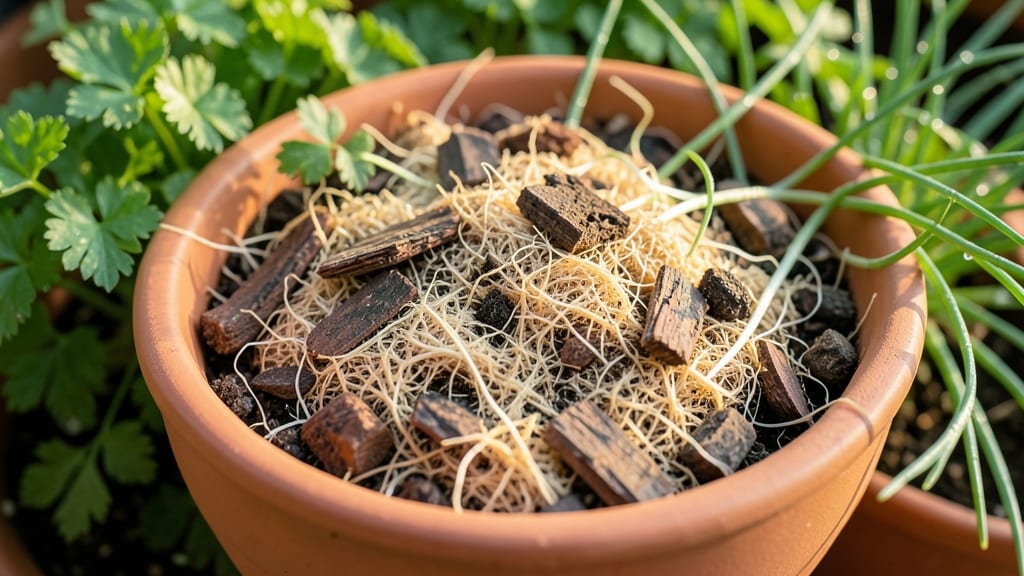
If you love fresh parsley and chives but want to shrink your carbon footprint, this peat-free organic potting mix is your game-changer. Made with coconut coir and composted bark, it mimics the airy texture of traditional peat-based mixes while supporting beneficial microbes that keep roots healthy and flavor vibrant.
Unlike compacting peat, this blend stays loose and well-aerated, preventing soggy roots while retaining just enough moisture for herbs that prefer consistent dampness. The worm castings often included add natural nutrients, reducing the need for synthetic fertilizers. It’s especially ideal for urban gardeners with limited space, as it works perfectly in small pots and vertical gardens.
For eco-conscious growers who refuse to compromise on quality, this mix delivers year-round growing success without harming peatlands. Your herbs will thrive—and so will the planet. 🌿
DIY Perlite and Vermiculite Mix
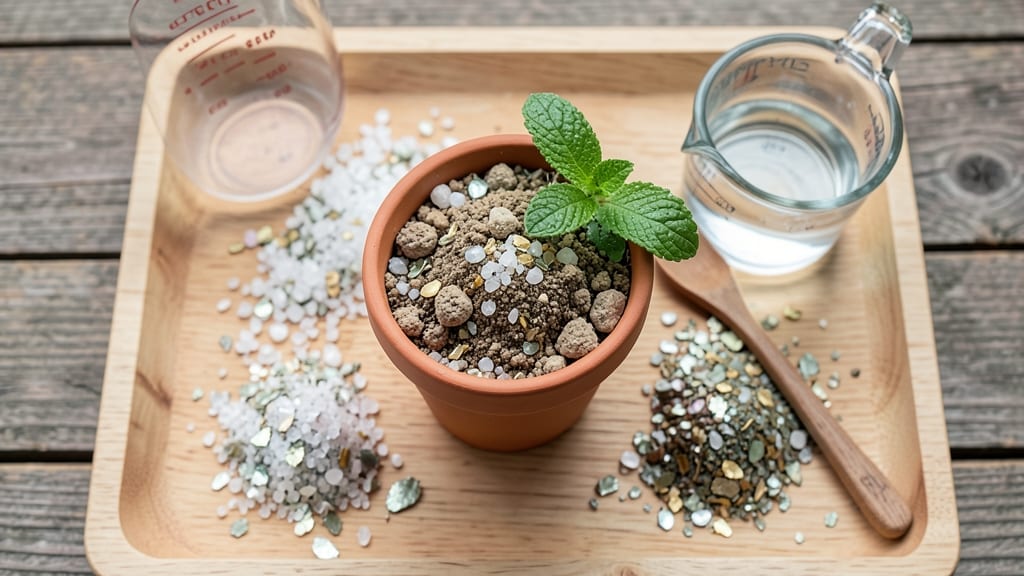
If you’ve ever struggled with mint or lemon balm turning mushy in their pots, a DIY perlite and vermiculite mix is your game-changer. This lightweight blend lets you fine-tune moisture retention—perfect for herbs that crave dampness but despise soggy roots. Simply combine equal parts perlite (for aeration) and vermiculite (for moisture retention) to create a customizable base.
For extra nutrients, stir in a handful of compost before planting. This mix stays loose and fluffy, preventing compaction while keeping roots consistently hydrated. Water when the top inch feels dry—your herbs will thank you with vibrant growth and bold flavor. Urban gardeners with limited space will love how this blend maximizes root health in small pots. 💚
Compost-Based Herb Soil with Sand
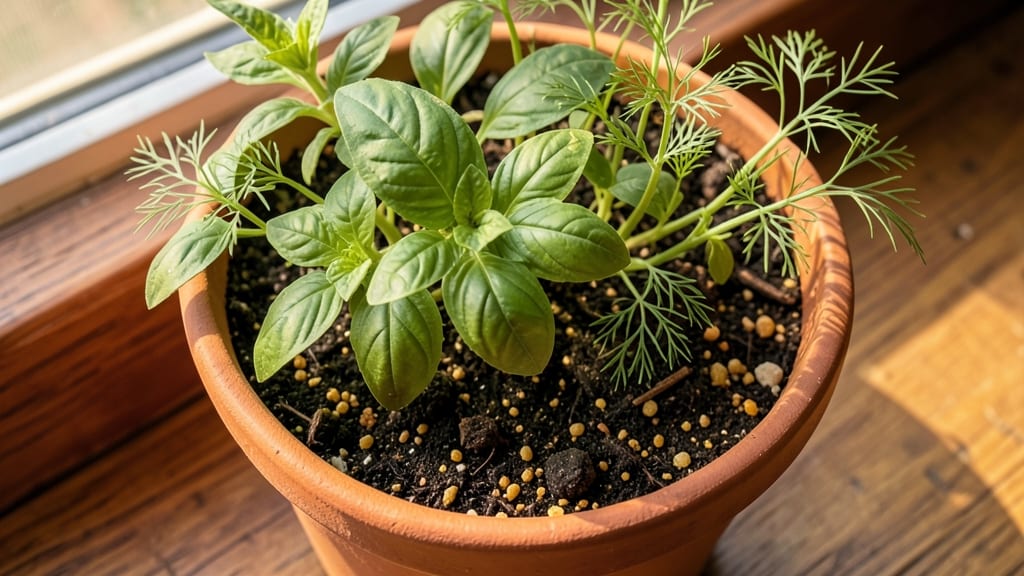
If your basil and dill plants are struggling with either leggy growth or soggy roots, this compost-based mix is your secret weapon. The perfect balance of 60% compost (for nutrients), 30% peat (for moisture retention), and 10% coarse sand (for aeration) creates a medium that feeds hungry herbs while preventing waterlogged soil.
Start by mixing these ingredients in a wheelbarrow or large container, then add a handful of worm castings for an extra nutrient boost. This soil works best in terracotta pots—material that naturally wicks away excess moisture—while also supporting the rapid growth of heavy-feeding herbs like cilantro and parsley. The coarse sand ensures roots get oxygen, while the compost keeps them well-fed.
This DIY blend is ideal for container gardeners who want flavorful harvests without the hassle of frequent fertilizing. Plus, it’s budget-friendly and easy to customize by adjusting the sand-to-compost ratio based on your climate. 🌱
Hydroponic Clay Pebble Substrate
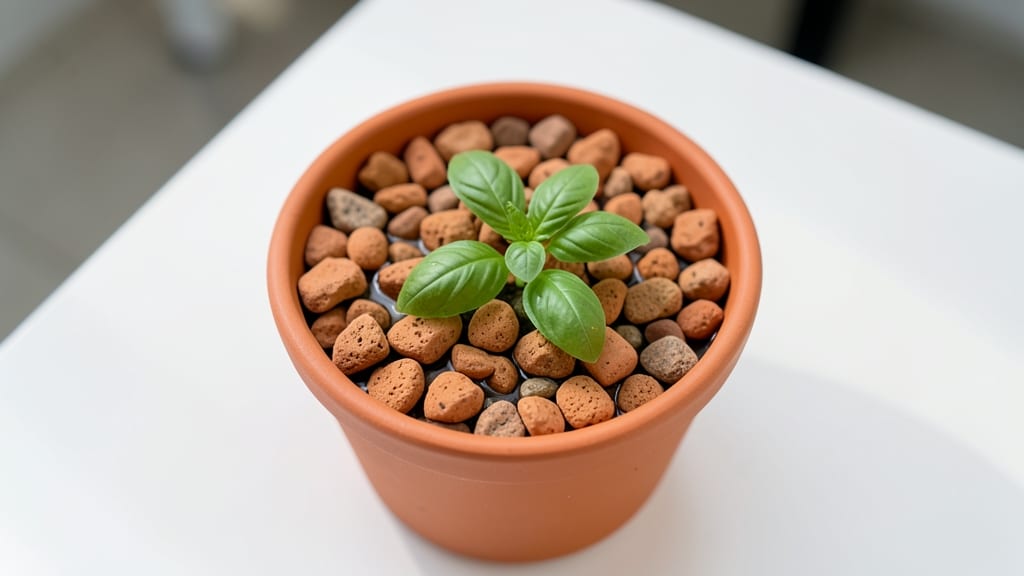
Tired of messy soil spills or root rot in your herb pots? Hydroponic clay pebbles offer a clean, low-maintenance alternative that wicks moisture to roots while preventing compaction. This semi-hydroponic setup mimics natural conditions without the complexity of full hydroponics, making it perfect for urban balconies or small kitchens.
Fill your container with clay pebbles (3-6mm size) and mist them daily to keep thyme and sage thriving. The pebbles create an oxygen-rich zone for roots while absorbing excess water, reducing the risk of fungal issues. For best results, pair with a nutrient solution every 2-3 weeks to support growth.
This method is ideal for gardeners who love herbs but hate dealing with soil mess—just mist, harvest, and repeat. It’s especially great for slow-growing Mediterranean herbs that prefer drier conditions. 🌿
Store-Bought Herb-Specific Potting Soil
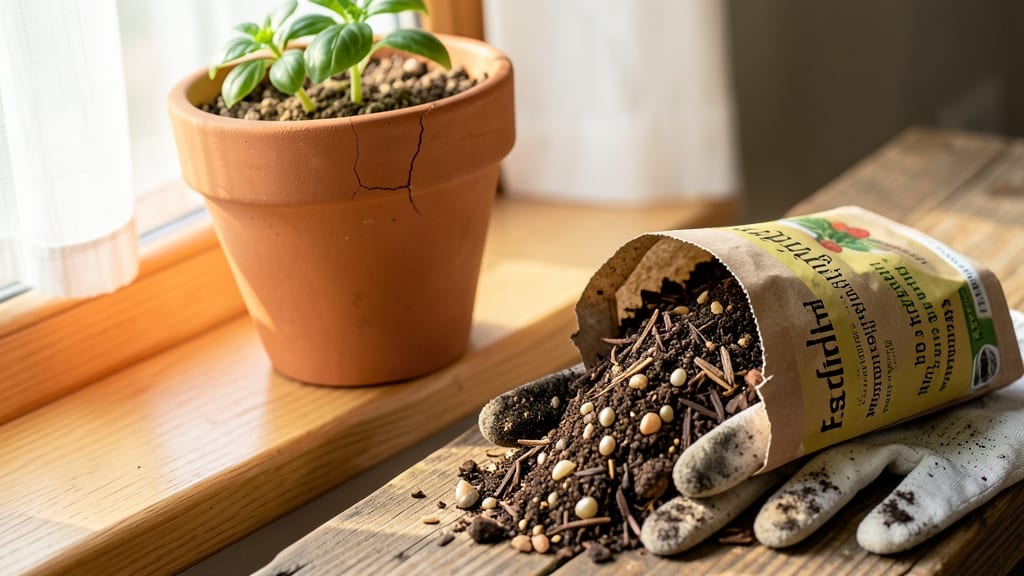
If you’re tired of mixing your own soil blends or struggling with uneven drainage, store-bought herb-specific potting soil is your shortcut to success. These pre-mixed formulas are designed to give your herbs—like basil, parsley, and thyme—the perfect balance of nutrients, moisture, and aeration right out of the bag.
Look for blends that include worm castings (for gentle nutrient release) and mycorrhizal fungi (to strengthen root systems). These ingredients work together to prevent root rot while encouraging faster growth, so you’ll see lush, flavorful herbs in just a few weeks. Most brands also contain perlite or sand to ensure excess water drains quickly, reducing the risk of soggy roots. Just add seeds or seedlings, water lightly, and enjoy the convenience of a ready-to-use mix.
This is the ideal choice for beginners, busy gardeners, or anyone without access to compost or gardening supplies. With minimal effort, you’ll get professional results that rival homemade mixes—without the guesswork. 🌿
Chicken Manure Compost Mix
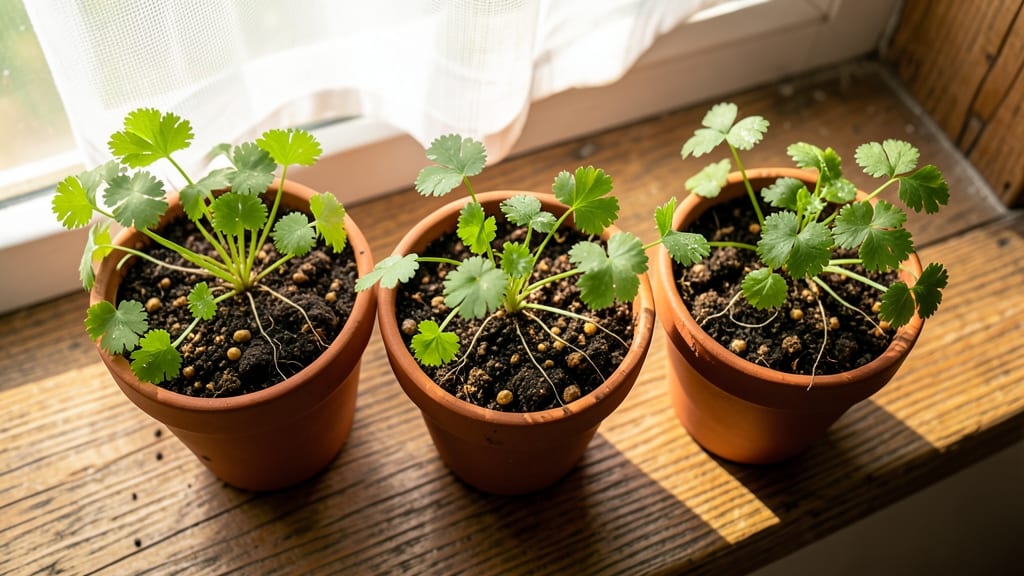
If you’re growing fast-growing herbs like cilantro or parsley in small pots, a chicken manure compost mix is your secret weapon—it delivers a high-nitrogen punch that fuels rapid leaf production without overwhelming roots. This blend is especially game-changing for urban gardeners who can source compost piles or local farms.
Combine equal parts aged chicken manure, coconut coir (for moisture retention), and perlite (for aeration) to create a fluffy, nutrient-rich medium. The manure’s nitrogen content helps herbs like parsley bolt less often, while the perlite prevents compaction in crowded pots. For best results, let the manure age for 6 months before mixing to avoid burning tender roots.
This mix is ideal for container gardens where space is limited but flavor isn’t. Perfect for balcony growers or anyone who wants to skip the store-bought soil and create a custom, cost-effective blend that keeps herbs lush and productive. 🌱
Bark and Charcoal Soil Amendment
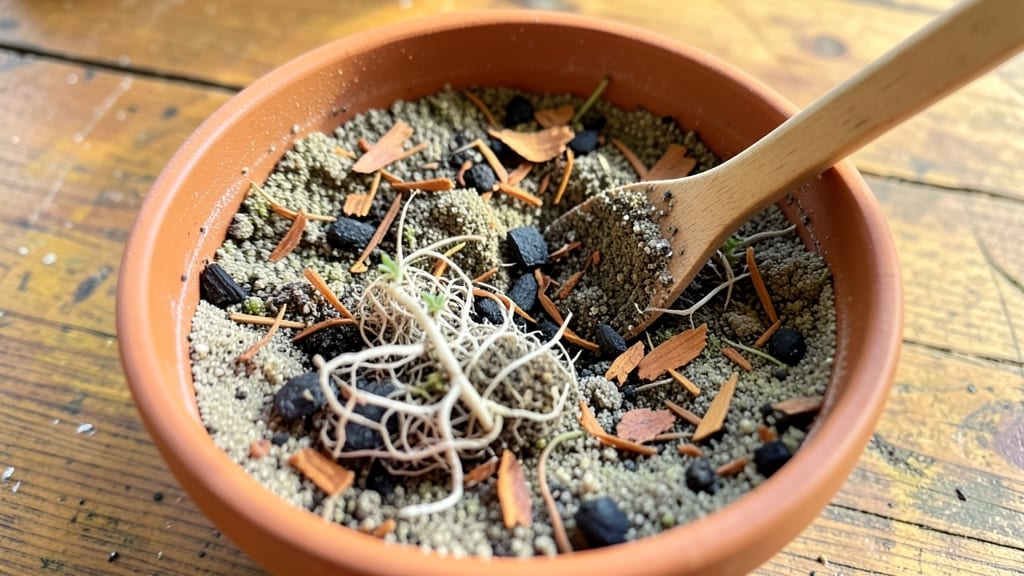
If your herb pots are packed with crowded roots and you're battling root rot, this natural duo is your secret weapon. Finely shredded bark and activated charcoal work together to regulate moisture while preventing fungal growth—ideal for high-traffic herb gardens like thyme or rosemary.
Start by mixing 20% finely shredded bark (like pine or oak) and 10% activated charcoal into your existing potting soil. The bark improves aeration and slows moisture loss, while the charcoal acts as a natural fungicide by absorbing toxins and harmful bacteria. This blend is especially useful for crowded pots where roots compete for space and oxygen.
Urban gardeners with limited space will love this solution—it’s lightweight, easy to customize, and extends the life of your potting mix. Plus, it’s a zero-waste way to upcycle yard waste or store-bought bark chips. 🌿
Sphagnum Moss and Sand Blend
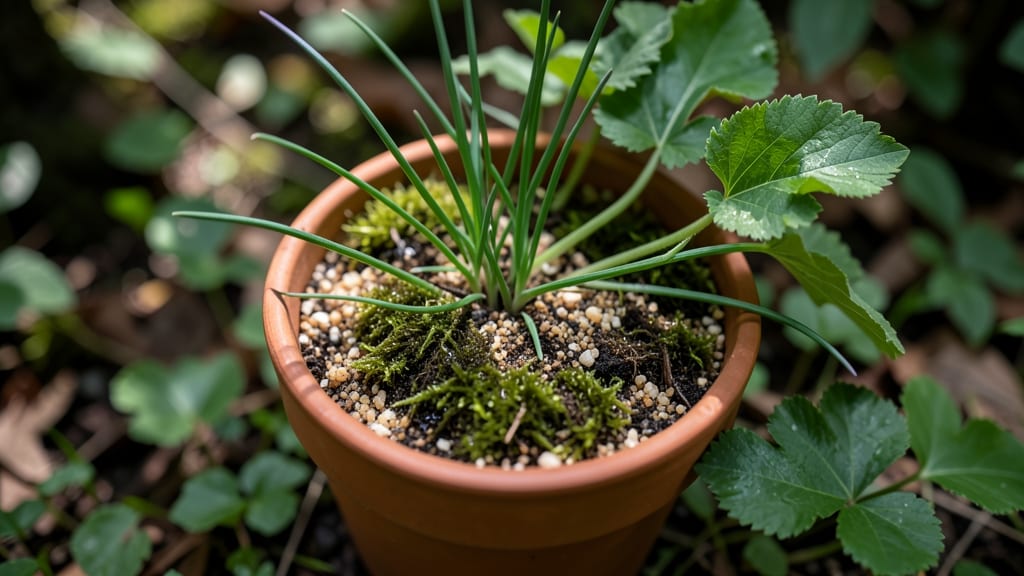
If your chives or lovage seem lackluster in regular potting soil, it’s likely because these acid-loving herbs crave a different environment. A sphagnum moss and sand blend mimics their natural, moist but well-draining forest floor conditions—keeping roots happy while preventing soggy, compacted soil.
Start with equal parts sphagnum moss and coarse sand (like horticultural-grade sand), then add a sprinkle of perlite for extra aeration. This mix holds just enough moisture to satisfy thirsty roots while allowing excess water to escape quickly. For extra nutrients, stir in a handful of composted pine needles, which also help maintain the acidic pH these herbs prefer (aim for 5.0–6.5).
This blend is ideal for urban gardeners with limited space or anyone growing acid-loving herbs in containers. It’s lightweight, easy to customize, and ensures your plants thrive without the risk of root rot. 🌱
Expanded Shale Hydrocorn Mix

Struggling with heavy herb pots that feel like lifting dumbbells every time you water? Expanded shale Hydrocorn mix is your answer—it’s lightweight yet sturdy, designed to keep your rosemary bushes and other woody herbs thriving without the weight.
Made from baked clay granules, this mix holds 30% more air than traditional potting soil while still retaining moisture efficiently. The porous structure prevents compaction over time, ensuring roots stay oxygenated and drainage stays fast—critical for herbs prone to root rot. Simply mix it 1:1 with your existing potting soil for an instant upgrade.
Perfect for urban balconies or small-space gardens, this mix also lasts years longer than organic blends, making it a sustainable choice. Your heavy pots will finally feel manageable while keeping your herbs happy and flavorful. 🌱