
How To
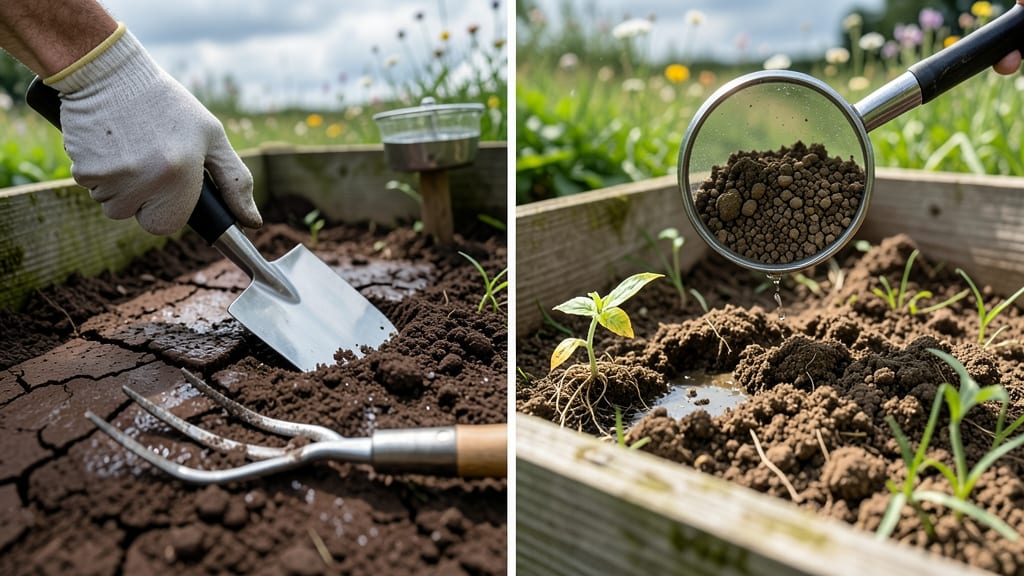
When your soil feels like concrete underfoot, even the hardiest plants struggle to thrive. 🌱 Compacted soil is the silent killer of gardens—roots can’t breathe, water pools instead of draining, and your plants send up desperate signals like yellowing leaves or stunted growth.
The good news? You can fix it without heavy equipment or a degree in horticulture.
Most compaction comes from foot traffic, heavy rain, or even lawn furniture left in place. Over time, the soil particles get squeezed together, leaving tiny air pockets that roots need to survive.
Symptoms include water pooling after rain, plants leaning or wilting despite regular watering, and that telltale "hard as a rock" feel when you dig a hole. Even my prized tomatoes suffered until I addressed this—now they grow like they’re on a cloud.
Aerating is the game-changer here, especially with a simple manual fork or a garden aerator. Loosening the top 6-8 inches of soil lets roots spread, water drain, and beneficial microbes thrive.
Mix in compost or aged manure afterward to keep the structure light and fertile. Within a few weeks, you’ll see plants perking up and roots exploring deeper than ever before.
Timing matters: aerate in spring or fall when soil is moist but not soggy. For heavy clay soils, repeat once a year; sandy soils need less frequent attention.
The key is consistency—once you break that compacted layer, your garden will reward you with stronger plants and fewer headaches. Let’s get those roots breathing again!
The Hidden Forces Squeezing Your Soil
Compacted soil isn’t just a nuisance—it’s a silent stressor for your plants, lawn, and garden. Understanding why soil loses its airy structure helps you take action before roots suffocate. Let’s break down the key culprits behind soil compaction, from heavy machinery to tiny but mighty natural forces.
Every time you walk, drive, or park on soil, you’re essentially giving it a one-way ticket to denseness. The weight of human footsteps, lawnmowers, tractors, or even heavy vehicles compresses soil particles together, squeezing out the air and water spaces roots need to thrive.
- How it works: Pressure from above forces soil particles to pack tightly, reducing pore space by up to 50% in heavily trafficked areas.
- Worst offenders:
- Construction equipment near gardens or lawns
- Frequent foot traffic on garden paths or play areas
- Parking cars or trucks on soil for extended periods
- Actionable fix: Use stepping stones, mulch paths, or gravel to distribute weight and reduce direct pressure.
Water isn’t just life-giving—it can also be a compactor. When soil stays saturated for long periods (like after heavy rains or poor drainage), the tiny air pockets collapse under the weight of water. Over time, this creates a dense, clay-like layer that repels oxygen and nutrients.
- How it works:
- Clay soils hold water like a sponge, increasing pressure on particles.
- Poor drainage forces water to pool, accelerating compaction in the top 6–12 inches.
- Worst offenders:
- Flat or sloped yards with no grading
- Overwatering (even "light" daily sprinkling adds up)
- Soil with high clay content (common in subsoils)
- Actionable fix: Test drainage with a percolation test and amend soil with organic matter (like compost) to improve structure.
Not all soil is created equal—and some types are built to compact over time. Clay, silt, and fine sand particles pack tightly on their own, especially when dry. Even "good" loamy soil can compact if it lacks organic material to hold pores open.
- How it works:
- Clay soils shrink and swell with moisture changes, creating cracks that later fill with dense material.
- Aging soil loses organic matter, reducing its ability to resist compaction.
- Worst offenders:
- Urban or developed soils with little organic input
- Subsoils naturally high in clay (common in river valleys or floodplains)
- Soil left undisturbed for decades without amendments
- Actionable fix: Add 3–4 inches of compost annually to replenish organic matter and improve pore space.
Believe it or not, even healthy plants can contribute to compaction—indirectly. As roots grow, they push against soil particles, and microbial activity (like fungi and bacteria breaking down organic matter) can temporarily densify the soil.
However, the real issue arises when dead roots decompose without being replaced by aeration or tilling.
- How it works:
- Root exudates (sugars released by roots) feed microbes, which can temporarily bind soil particles.
- Without aeration, decomposed roots leave behind a sticky residue that reduces pore space.
- Worst offenders:
- High-density plantings (like turfgrass or monoculture crops)
- Soil with excessive thatch or dead organic matter
- Actionable fix: Use core aeration in spring/fall to create channels for roots and microbes to thrive without suffocating the soil.
💡 Pro Tip: If your soil feels like a brick when dry or forms a puddle when wet, it’s a clear sign of compaction. Test it with a simple soil ribbon test to confirm before treating.
Fixing Dense Soil for Healthier Gardens
Compacted soil can feel like a brick wall for your plants—roots struggle to breathe, water pools instead of draining, and nutrients get locked away. But the good news? With the right tools and techniques, you can loosen it up and restore balance.
Below, we’ll tackle the most common causes of compaction and match them with practical, step-by-step solutions—plus pro tips to keep your soil light and airy long-term.
Cause: Treads from boots, lawnmowers, or construction equipment press soil particles together, crushing pore spaces. Fix:
- Manual Aeration (Small Areas):
- Rent or buy a manual aerator (spike or core type) and work it into the soil in a grid pattern. For spike aerators, push them 4–6 inches deep; for core aerators, pull out small plugs of soil (this is even better!).
- Pro Tip: 💡 Water the soil 24 hours before aerating—it’ll be easier to work with and won’t clump around the tools.
- Power Aeration (Large Lawns): - Use a core aerator (rental or purchase) to remove 2–3 inch soil plugs. Spread the plugs around to break them up, then top-dress with compost. - Pro Tip: ⏰ Do this in spring or fall when the ground isn’t frozen or waterlogged.
Avoid aerating during droughts—soil will compact more if it’s dry.
Cause: Excess moisture (from rain or irrigation) washes away organic matter, leaving soil particles tightly packed. Fix:
- Add Organic Amendments:
- Mix in compost, peat moss, or coconut coir (1–2 inches) into the top 6 inches of soil. These materials hold air and water, preventing future compaction.
- Pro Tip: 🌡️ For clay-heavy soil, blend in gypsum (calcium sulfate) to help break up particles over time. Follow package rates!
- Install Drainage Solutions:
- If water pools after rain, consider French drains or swales (shallow trenches) to redirect excess water.
- Pro Tip: ✨ For containers or raised beds, use a perforated pipe at the bottom with a layer of gravel before adding soil.
Cause: Soil without enough organic material (like decomposed leaves or compost) loses its spongy texture, becoming dense. Fix:
- Top-Dress Regularly:
- Spread a 1-inch layer of compost over garden beds and lightly till it into the top 2–3 inches. Repeat every 6–12 months.
- Pro Tip: 🍂 Use mulch (straw, wood chips) to protect soil from erosion and add organic matter as it breaks down.
- Plant Cover Crops:
- Grow clover, rye, or vetch in off-seasons. When tilled in, their roots loosen soil and add nitrogen.
- Pro Tip: 🎯 Avoid tilling when soil is wet—it worsens compaction! Wait until it’s dry enough to crumble.
Cause: Heavy equipment or grading flattens soil, destroying its natural layers. Fix:
- Layer Soil Properly:
- Remove the top layer of compacted soil (if possible) and replace it with a mix of:
- 50% topsoil (from elsewhere)
- 30% compost
- 20% perlite or sand (for drainage)
- Pro Tip: 🔥 For lawns, mix in vermiculite to improve aeration in the root zone.
- Remove the top layer of compacted soil (if possible) and replace it with a mix of:
- Use a Broadfork (No-Till Method): - A broadfork (like a giant pitchfork) lets you loosen soil without turning it over, preserving soil structure.
Work it in vertically, 8–12 inches deep. - Pro Tip: 👨🍳 Do this in dry conditions—wet soil sticks to the tines and makes the job harder.
- Walk on Paths: Avoid stepping on garden beds—use stepping stones or boards. - Reduce Tillage: Over-tilling breaks down soil structure. Use a broadfork or chisel plow instead. - Encourage Earthworms: They naturally aerate soil!
Add worm castings or plant worm-friendly crops (like dandelions). - Test Soil Health: Use a soil test kit (available at garden centers) to check compaction levels and adjust amendments accordingly.
Final Thought: Compacted soil isn’t a permanent problem—it’s a fixable one. Start with the solutions that match your garden’s biggest issues, then maintain the habit of adding organic matter and reducing pressure on the soil. Your plants (and your back!) will thank you. 🌱
Frequently asked questions about compacted soil
How can I tell if my soil is compacted?
Press your thumb into moist soil—if it feels like concrete or leaves a shallow indent, it’s compacted. Another test: Dig a small hole; if the sides crumble easily, your soil is fine. If they stay intact like a brick wall, compaction is the issue. Water pooling after rain or plants leaning toward light are also red flags.
Will aerating my lawn fix compacted soil?
Yes, but core aeration works best! Spike aerators only poke holes, while core aerators remove small soil plugs (2-3 inches deep), breaking up the dense layer. For heavy clay soil, repeat annually in spring or fall when the ground is moist but not soggy. Follow up with compost to maintain loose structure.
Can I use my regular shovel to break up compacted soil?
Not effectively—regular shovels only scratch the surface. For deep compaction (below 6 inches), use a broadfork or garden fork to loosen soil vertically without turning it over. Work when soil is slightly damp (not wet) for best results. For stubborn layers, rent a power aerator for deeper penetration.
How long does it take to fix compacted soil?
Visible improvement appears in 2-4 weeks after aeration, but full recovery takes 6-12 months with ongoing care. The key is consistency: Add 1-2 inches of compost annually and avoid heavy foot traffic. Plants will show signs of revival as roots access deeper moisture and nutrients.
Is gypsum really better than compost for compacted clay soil?
Both help, but they work differently. Gypsum (calcium sulfate) breaks up clay particles over time, while compost improves structure and adds organic matter. For best results, use both: Apply gypsum first (follow package rates), then top-dress with compost. This combo prevents future compaction while nourishing plants.