
How To
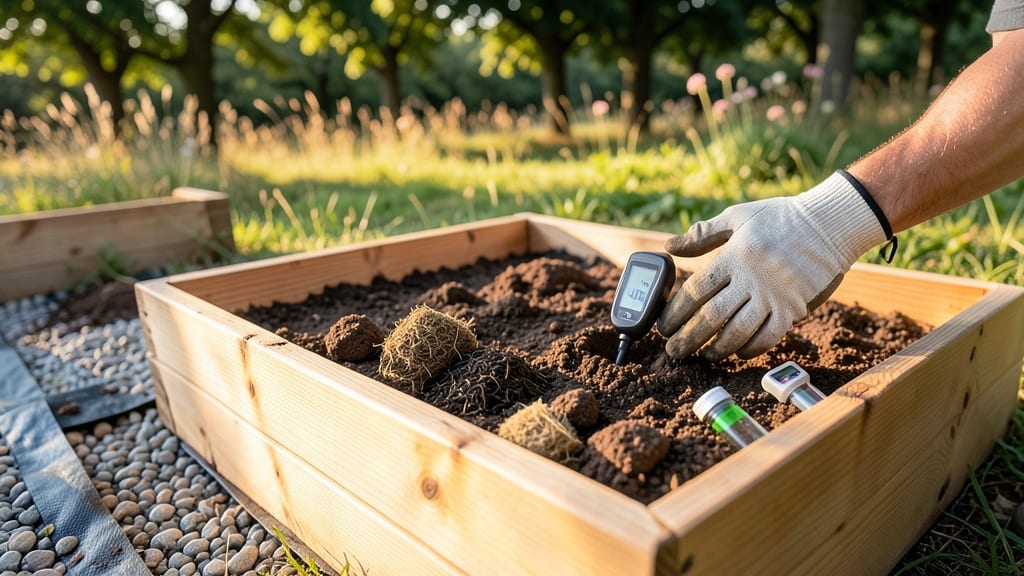
The soil needed for a raised bed starts with three simple ingredients that transform barren ground into a thriving ecosystem. 🌱 I learned the hard way—my first raised bed failed because I used garden soil straight from the yard, which compacted and suffocated roots.
The secret isn’t fancy: it’s equal parts topsoil, compost, and perlite, creating a fluffy, nutrient-rich foundation that plants adore.
Most gardeners overlook the pH balance—critical for acid-loving plants like blueberries, azaleas, or rhododendrons. Test your soil first; if it’s too alkaline, mix in sulfur or peat moss to lower the pH to 4.5–5.5.
For general gardens, a 6.0–7.0 range works, but acid-lovers demand precision. That first season’s mix will last years if you top-dress with compost annually.
Layering matters: start with 2 inches of coarse wood chips at the bottom for drainage, then your mix, and finish with 1 inch of compost on top. This setup prevents compaction, retains moisture, and feeds roots steadily.
By mid-summer, you’ll see lush, vigorous growth—no more wilting or stunted plants. The best part? This mix works for vegetables, flowers, and shrubs alike.
Pro tip: Save your leaves—shredded autumn leaves make free compost that improves soil structure over time. Avoid heavy clay or sandy soil in your mix; both drain too fast or hold too much water. With this foundation, your raised bed will outperform in-ground plots every season. Let’s get digging!
📚 In This Guide
- What you need
- Instructions
- Tips and common mistakes
- Wrapping up and next steps
What you need
- ● Soil: 1 part peat moss (or coconut coir for sustainability) – 20-30 lbs per cubic foot of bed
- ● 1 part compost (well-aged, 2-3 years old) – 20-30 lbs per cubic foot
- ● 1 part pine bark fines (or sand for drainage) – 15-20 lbs per cubic foot
- ● 1 part perlite or vermiculite (for aeration) – 10-15 lbs per cubic foot
- ○ Optional Additives (for acid-loving plants): Sulfur (1-2 lbs per cubic yard) – lowers pH naturally
- ● Pine needles or oak leaves (1-2 inches layer) – slow-release acidity
- ● Worm castings (5-10 lbs per cubic foot) – boosts nutrients
- ● Tools: Garden gloves 🧤
- ● Wheelbarrow or large bucket
- ● Garden rake or shovel
- ● pH testing kit (digital or test strips)
- ● Measuring tape (to track bed dimensions)
- ● Level ground or a flat base (remove rocks/weeds)
- ● Raised bed frame (wood, metal, or composite) – minimum 6 inches deep
- ● Drainage holes (if using a container-style bed)
- ● Water source nearby (hose or watering can)
How to mix the perfect soil for acid-loving plants in a raised bed
Here's the foolproof method I use to create the ideal growing environment for blueberries, azaleas, and other acid-loving plants.
🪴 Step 1: Choose the Right Base Materials
Start with a 50% mix of peat moss or coconut coir—this provides the acidity these plants crave while retaining moisture. I always use sphagnum peat moss because it holds nutrients better than pine bark alone. The other 50% should be high-quality garden soil (not potting mix) to give roots structural support and aeration.
Mix these two components thoroughly in a wheelbarrow or large container. You'll want a loose, fluffy texture—think of it like blending cake batter rather than compacting soil. Break up any clumps with your hands, as dense pockets will restrict root growth. This foundational mix gives you a neutral starting point before we adjust the pH.
🌱 Step 2: Add Organic Matter for Nutrient Retention
Incorporate 20% composted pine bark fines into your mix—this lowers pH naturally while improving drainage. I measure this by volume rather than weight for consistency. Spread the bark fines evenly over the soil-peat blend and mix with a garden fork until uniformly distributed.
Add 10% aged pine needles or leaf mold next—these acidify the soil further and improve moisture retention. I collect pine needles from under native pine trees in my area, as they're naturally acidic. If you can't source these, substitute with 10% composted sphagnum peat moss for a similar effect. Fluff the mix again to ensure even distribution.
💧 Step 3: Adjust pH and Amend for Plant-Specific Needs
Test your mix's pH using a reliable meter or kit—it should read between 4.5 and 5.5 for most acid-loving plants. If it's too high, add 1 cup of aluminum sulfate per 10 square feet of bed space. For blueberries specifically, aim for 4.8-5.0 pH—this is critical for iron uptake.
Work the amendment into the top 6 inches of your mix using a trowel. Water the bed thoroughly after amending, then let it sit for 24 hours before planting. This allows the pH adjustment to stabilize. For extra insurance, I add 1 pound of elemental sulfur per 100 square feet—this takes longer to work but provides a more gradual acidification.
☀️ Step 4: Layer and Prepare the Raised Bed
Fill your raised bed with the amended mix, leaving 2-3 inches of space at the top for mulch and water retention. I always build beds at least 12 inches deep to accommodate root systems. Press down lightly with your hands to eliminate air pockets, but don't compact the soil—roots need room to expand.
Install a drip irrigation system or soaker hose along one side of the bed before adding plants. This ensures even moisture distribution without disturbing the soil structure. Water the bed thoroughly one final time before planting to settle the mix and remove any remaining air pockets. The surface should look uniformly moist but not saturated.
✂️ Step 5: Maintain Soil Quality Long-Term
After planting, apply a 2-inch layer of pine bark mulch on the soil surface. This helps maintain acidity while suppressing weeds. I reapply mulch annually in early spring. Every 2-3 years, I test the soil pH again and re-amend if needed—organic matter breaks down and pH naturally rises over time.
For container-grown acid-lovers, I use the same mix ratios but add 10% perlite for better drainage. Remember that acid-loving plants are sensitive to over-fertilizing—use a slow-release, acid-loving plant fertilizer and apply only half the recommended dose. You'll know your mix is working when plants show vibrant foliage and consistent flowering without yellowing leaves.
Tips & tricks for perfect acid-loving raised bed soil
Creating the ideal environment for acid-loving plants requires precision—and these pro tips will help you avoid common pitfalls while maximizing results.
Mixing Texture Matters: When combining your 50% sphagnum peat moss and garden soil in Step 1, aim for a texture that resembles "fluffy pancake batter"—light enough to crumble between your fingers but with just enough structure to hold its shape. I use a garden fork to gently aerate the mix, breaking up any stubborn clumps while preserving that airy quality. Dense pockets will suffocate roots, so take the extra 5 minutes to fluff thoroughly. The goal is to mimic the natural forest floor where these plants thrive.
pH Testing Precision: In Step 3, don't rely on visual cues alone when testing your mix's pH—color charts can be misleading. Invest in a digital pH meter for accuracy, especially since blueberries require that precise 4.8-5.0 range. I test multiple spots in my mix because pH can vary by just a few inches. Remember that aluminum sulfate works quickly (within days) while elemental sulfur takes weeks to fully acidify—plan your timing accordingly when amending.
Layering for Long-Term Success: For Step 4, I recommend building your raised bed in 3-inch layers rather than dumping all the mix at once. This lets you check moisture and compaction at each stage. After adding each layer, press down lightly with your hands (not tools) to eliminate air pockets without compacting. The top 2-3 inches should always remain loose—this prevents that dreaded "crust" that blocks water and oxygen from reaching roots.
Organic Matter Strategy: When adding your 20% composted pine bark fines in Step 2, don't just sprinkle and mix—create a "sandwich" layer. Spread half the bark fines over your initial mix, then add the remaining 50% soil-peat blend, followed by the other half of bark fines. This creates micro-channels for water movement while maintaining even acidification throughout the entire volume. The same principle applies to your 10% pine needles or leaf mold.
Pro Tips for Soil Needed For Raised Bed
- Creating the ideal environment for acid-loving plants requires precision—and these pro tips will help you avoid commo...
- Mixing Texture Matters: When combining your 50% sphagnum peat moss and garden soil in Step 1, aim for a texture that ...
- pH Testing Precision: In Step 3, don't rely on visual cues alone when testing your mix's pH—color charts can be misle...
Frequently asked questions
Got questions about the perfect soil mix for your raised bed? You’re not alone! Here are answers to the most common concerns—plus pro tips to keep your plants thriving.
What’s the easiest soil mix for beginners?
Start with a simple 60-30-10 ratio: 60% garden soil, 30% compost, and 10% perlite or sand. This balances nutrients, drainage, and moisture while being forgiving for new gardeners. Pre-mixed raised bed soil blends (like those labeled "organic potting mix") also work—just amend with compost if your plants are hungry!
When is the best time to add soil to a raised bed?
Add soil before planting, ideally 4–6 weeks ahead to let it settle and decompose. For fall/winter crops, prep in early summer; for spring, start in late winter. Pro tip: If you’re reusing the bed, refresh the soil every 1–2 years or when it compacts.
Can I use regular garden soil in a raised bed?
Not alone! Garden soil is often too dense and clay-heavy for raised beds, leading to poor drainage and root rot. Mix it 50/50 with compost or coconut coir to improve aeration. For acid-loving plants (like blueberries or azaleas), blend in peat moss or pine bark fines (see our exact ratios in the guide!).
What’s a budget-friendly alternative to expensive soil blends?
DIY it! Combine:
- 50% topsoil (cheap at garden centers or free from local farms)
- 30% compost (homemade or store-bought)
- 20% amendments (sand, perlite, or leaf mold for texture)
My raised bed soil smells bad—what’s wrong?
Bad smells usually mean too much organic matter decomposing at once or poor drainage. Fix it by:
- Adding coarse sand or perlite (1 part per 4 parts soil) to improve airflow.
- Mixing in dried leaves or straw to balance moisture.
- Avoiding overwatering—raised beds dry faster than ground soil!
Wrapping up and next steps
Choosing the right soil for your raised bed is the secret ingredient to a thriving garden! 🌱 Whether you’re growing acid-loving plants like blueberries or azaleas, or just aiming for a nutrient-rich mix, the perfect blend of compost, peat moss, and perlite (or coconut coir) sets the stage for success.
Don’t let soil science overwhelm you—start small, test your mix, and adjust as you go.
Ready to dig in? Roll up your sleeves and get growing! Grab your materials, follow your mix ratios, and watch your plants flourish. Need a hand? Explore our plant care guides next for tips on keeping your raised bed happy and healthy.