
How To
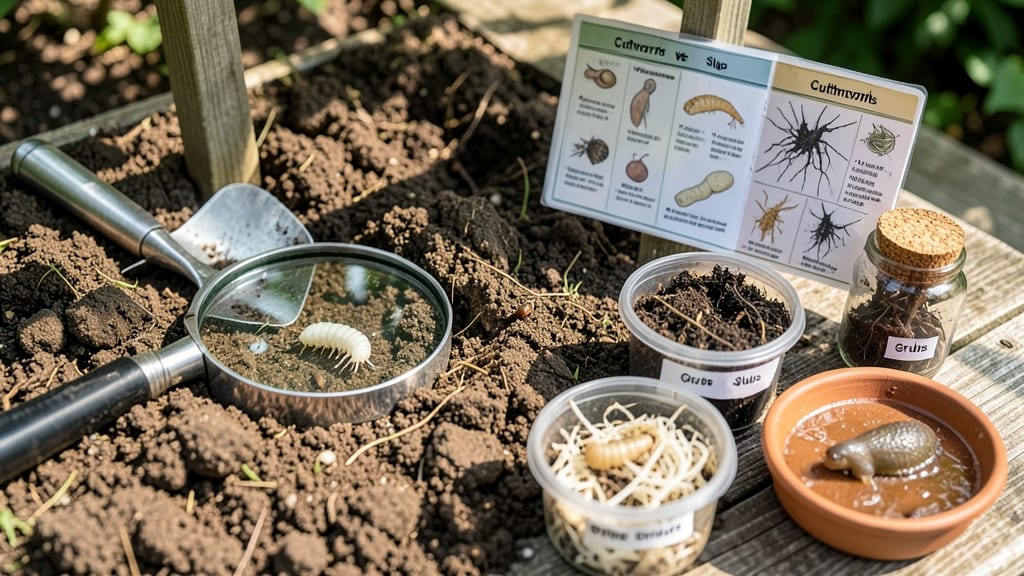
Soil pest identification before they wreck your garden saves you from weeks of frustration. 🌱 I’ve pulled up plants with gnawed roots and thought, "What even did this?"—until I learned to spot the clues these critters leave behind. This guide breaks down the most common culprits: grubs that turn roots to Swiss cheese, nematodes that make plants look starved, and rodents that tunnel like tiny construction crews.
The first step is knowing what to look for: chewed roots, wilting despite good water, or tiny holes in soil. Grubs leave behind C-shaped larvae, while nematodes cause stunted growth with no obvious holes.
Slugs leave slimy trails, and voles create runways through mulch. Most gardeners miss the early signs because they assume wilting means drought—until it’s too late.
You’ll spot the difference between harmless soil critters and real threats by checking roots, stems, and soil texture. A quick dig reveals the truth: healthy roots stay firm and white, while infested ones look brown, mushy, or riddled with tunnels.
Once you recognize these patterns, you’ll catch problems early—before they turn your garden into a buffet for pests.
This isn’t just about spotting the bad guys—it’s about giving your plants the defense they need. Whether you’re dealing with grubs, nematodes, or something sneaky like wireworms, knowing the signs means you can act fast. Let’s get your soil back in shape before the next harvest.
Root Causes of Soil Pest Problems
Understanding why soil pests invade your garden is the first step in preventing them. These tiny troublemakers don’t just appear out of nowhere—they’re drawn to specific conditions that make your soil a five-star hotel.
Let’s break down the key reasons behind their unwelcome visits, so you can address the root of the issue before they cause damage.
Healthy soil is like a thriving ecosystem—balanced, rich in organic matter, and teeming with beneficial microbes. When your soil lacks nutrients or is overly compacted, pests like grubs, nematodes, and fungus gnats move in for the easy pickings.
- Lack of Organic Matter: Soil with low organic content (think decomposed leaves, compost, or mulch) offers fewer resources for beneficial organisms, leaving pests to dominate.
Without competition, they reproduce unchecked. - Over-Fertilization: Too much synthetic nitrogen or phosphorus can disrupt microbial balance, creating a soil environment that attracts pests like cutworms or wireworms, which thrive in nutrient-rich but microbe-poor conditions. - Compacted Soil: Heavy foot traffic, machinery, or clay-heavy soil reduces aeration and drainage.
This stress invites root-feeding pests (e.g., root-knot nematodes) that exploit weakened plants.
Actionable Fix: Amend your soil with compost, worm castings, or biochar to improve structure and microbial activity. Test your soil’s pH and nutrient levels annually to avoid imbalances.
Water is essential, but too much of it turns your garden into a pest paradise. Many soil-dwelling pests—like slugs, snails, and fungal pathogens—love damp, soggy conditions. Even beneficial insects can become pests if their populations explode due to overwatering.
- Stagnant Water: Poor drainage creates anaerobic (oxygen-poor) zones where nematodes and maggots thrive.
These pests attack roots because they can’t survive in well-aerated soil. - Fungal Growth: Excess moisture encourages soil-borne fungi (e.g., damping-off pathogens) and their insect allies, like fungus gnats, which lay eggs in wet, decaying organic matter. - Overhead Watering: Splashing water onto leaves and soil spreads fungal spores and eggs from pests like cutworms, which hatch in moist conditions.
Actionable Fix: Use drip irrigation or soaker hoses to deliver water directly to roots. Ensure proper drainage with raised beds or sand amendments if your soil is clay-heavy. Water in the early morning to allow foliage to dry quickly.
Leaving behind plant debris, weeds, or improper mulch is like rolling out a red carpet for pests. Decaying organic material attracts grubs, slugs, and even rodents looking for a snack.
- Old Plant Material: Dead leaves, stems, or fallen fruit provide shelter and food for sow bugs, earwigs, and wireworms.
These pests burrow into the soil to escape predators and lay eggs in the decaying matter. - Thick, Wet Mulch: Mulch is great, but if it’s too thick or doesn’t allow airflow, it traps moisture and becomes a breeding ground for fungus gnats and mold mites. - Weed Infestations: Weeds like dandelions and chickweed host pests that later migrate to your garden.
Their deep roots also disrupt soil structure, making it easier for nematodes to invade.
Actionable Fix: Remove all plant debris from your garden beds at the end of the season. Use straw or shredded leaves (instead of whole leaves) for mulch, keeping it 2–3 inches thick to allow airflow. Rotate crops annually to disrupt pest life cycles.
A balanced garden ecosystem keeps pests in check naturally. When you disrupt this harmony—through pesticides, monoculture planting, or habitat destruction—pests multiply unchecked.
- Overuse of Chemicals: Broad-spectrum pesticides kill beneficial insects (like ground beetles, lacewings, and predatory nematodes) that would otherwise control pests.
Without these natural predators, grubs, aphids, and caterpillars explode in numbers. - Monoculture Planting: Growing the same plants year after year (e.g., tomatoes or potatoes) creates a pest buffet.
Specialized pests like Colorado potato beetles or tomato hornworms adapt to thrive in these environments. - Lack of Biodiversity: Gardens with only annuals or non-native plants offer fewer habitats for predator insects. Native plants, on the other hand, support parasitic wasps, spiders, and birds that hunt pests.
Actionable Fix: Introduce companion planting (e.g., marigolds to repel nematodes or basil to deter thrips). Plant native flowers to attract predator insects. Reduce chemical use and opt for targeted, organic pest controls like neem oil or beneficial nematodes.
Pests are highly sensitive to temperature and weather patterns. Unusual heatwaves, prolonged droughts, or mild winters can throw off their natural life cycles—leading to earlier or more aggressive infestations.
- Mild Winters: Pests like grubs and cutworms survive colder months in the soil.
If winters are too warm, they emerge earlier and reproduce faster in spring. - Drought Stress: Plants weakened by drought are easier targets for root borers and aphids, which feed on stressed foliage and roots. - Heavy Rains: Sudden downpours wash away natural predators (like spiders and centipedes) and create ideal hatching conditions for soil-dwelling maggots.
Actionable Fix: Monitor local weather patterns and adjust planting times accordingly. Use mulch to regulate soil temperature and reduce stress on plants. Choose drought-tolerant crops if your region experiences water shortages.
Sometimes, the way we manage our gardens accidentally invites pests. Poor sanitation, improper storage, or even how we store tools can introduce soil invaders.
- Contaminated Tools & Soil: Moving soil from infested areas (e.g., compost piles, wild patches, or neighbor’s gardens) can spread nematodes, grubs, and fungal spores. - Improper Composting: Hot compost piles should reach 140–160°F to kill pest eggs.
If compost is too cold or wet, it becomes a breeding ground for fruit flies and slugs. - Storing Firewood or Debris: Piles of wood, cardboard, or plastic near garden beds provide hiding spots for rodents, earwigs, and even snakes that disturb soil.
Actionable Fix: Sterilize tools between uses with a 10% bleach solution or rubbing alcohol. Turn compost regularly to maintain high temperatures. Store firewood and debris at least 20 feet away from garden beds.
Soil pests don’t choose your garden randomly—they’re responding to environmental cues you can control. By addressing soil health, water management, ecosystem balance, and smart gardening practices, you can make your garden a place pests don’t want to visit.
Next, we’ll dive into how to spot these pests early—before they become a full-blown infestation. 🕵️♂️🌿
Fixing Soil Pest Problems Step-by-Step
Once you’ve identified the unwelcome critters in your soil, it’s time to take action! Below are targeted solutions for common soil pests, organized by cause. Each fix includes immediate remedies and long-term prevention tips to keep your garden thriving. Let’s get those pests under control—for good.
Cause: Overwatered soil, decaying organic matter, or poor drainage attracts fly larvae that feast on roots. How to Fix It:🔥 Immediate Action:
- Remove infested plants and dispose of them in sealed bags (not compost).
- Apply beneficial nematodes (like Steinernema carpocapsae) to the soil. These microscopic predators hunt grubs naturally.
- Use diatomaceous earth (DE) around plant bases—it dehydrates larvae on contact. Reapply after rain.
🌱 Long-Term Prevention:
- Improve drainage by amending soil with compost or sand. Root maggots love soggy conditions!
- Rotate crops annually to break the pest life cycle.
- Mulch with straw or pine needles—these repel flies and dry out moist soil.
🍳 Immediate Action:
- Set up beer traps: Bury a shallow container filled with beer near infested areas. Wireworms are attracted to the yeast and drown.
- Use floating row covers over young seedlings to block adult beetles from laying eggs.
- Handpick larvae at night (they’re sluggish when cool) and drop them in soapy water.
🌡️ Long-Term Prevention:
- Avoid excessive straw mulch—opt for wood chips or gravel instead.
- Plant wireworm-resistant crops like beans, peas, or onions.
- Encourage ground beetles (their natural predators) by leaving leaf litter in borders.
👨🍳 Immediate Action:
- Set out copper tape barriers around pots or garden beds—slugs get a mild electric shock and avoid crossing.
- Use iron phosphate baits (like Sluggo)—they’re pet-safe and kill slugs within 48 hours.
- Handpick at night with a flashlight and drop them in a bucket of soapy water.
✨ Long-Term Prevention:
- Reduce mulch thickness—keep it 1–2 inches deep to limit hiding spots.
- Plant slug-repellent herbs like mint, thyme, or garlic near vulnerable plants.
- Water in the morning so soil dries faster, making it less appealing to slugs.
🔪 Immediate Action:
- Let the top inch of soil dry out between waterings—fungal gnats thrive in dampness.
- Apply yellow sticky traps near plants to catch adult flies before they lay eggs.
- Drench soil with hydrogen peroxide (1 part HP to 4 parts water) to kill larvae without harming plants.
🎯 Long-Term Prevention:
- Use well-draining soil mixes with perlite or vermiculite to prevent soggy conditions.
- Repot plants in fresh, sterile soil if gnats persist—sterilize pots with boiling water first.
- Introduce predator mites (Hypoaspis miles) to hunt gnat larvae naturally.
⏰ Immediate Action:
- Remove infested wood and burn or dispose of it far from your garden.
- Apply termite bait stations (like Recruit HD) around the perimeter—they lure colonies to their doom.
- Seal cracks in foundations with caulk to block entry points.
💡 Long-Term Prevention:
- Avoid wood mulch near structures—use gravel or inorganic mulches instead.
- Keep gutters clean and slope soil away from your home to reduce moisture buildup.
- Plant termite-repellent species like marigolds, lemongrass, or boxwood near vulnerable areas.
💡 Pro Tip: For persistent pests, combine methods (e.g., nematodes + improved drainage for grubs). Rotate treatments to avoid resistance, and always monitor after applying fixes. A healthy soil ecosystem is your best defense!
Frequently asked questions
What are the most common signs of soil pest damage in my garden?
Look for chewed roots, stunted plant growth, or wilting despite proper watering. Grubs leave behind C-shaped larvae in soil, while nematodes cause roots to appear brown and mushy. Slugs leave shiny trails, and voles create runways through mulch. Check the base of plants—healthy roots stay firm and white, while infested ones show damage.
How do I tell the difference between grubs and wireworms?
Grubs are C-shaped larvae (usually white or tan) that feed on roots, while wireworms are straight, wire-like larvae (yellowish-brown) that burrow deeper. Grubs are more common in lawns, while wireworms thrive in dry, compacted soil. Dig up a small section of root zone—grubs cluster near roots, while wireworms hide deeper in soil layers.
Can I use vinegar to kill soil pests like nematodes or grubs?
Vinegar won’t directly kill soil pests, but a 1:1 vinegar-water spray can help deter slugs or soft-bodied insects on the surface. For nematodes or grubs, focus on beneficial nematodes or neem oil. Vinegar’s acidity can also harm beneficial microbes, so use sparingly. For deep soil pests, organic amendments like compost tea work better long-term.
How often should I check my soil for pests if I don’t see obvious damage?
Check your soil every 4–6 weeks during growing season, especially after rain or when planting new crops. Focus on root zones and mulch layers. Early detection is key—pests like nematodes or grubs can cause irreversible damage in as little as 2–3 weeks. Use a small trowel to gently lift soil and inspect for larvae or tunnels.
Are there any soil pests that actually help my garden?
Yes! Earthworms aerate soil and enrich it with castings, while predatory nematodes (like Steinernema) hunt pests naturally. Even some beetles and ground-dwelling spiders control grubs. The key is balance—too many pests (like wireworms) disrupt this harmony. Focus on maintaining healthy soil to encourage beneficial critters over harmful ones.