
How To
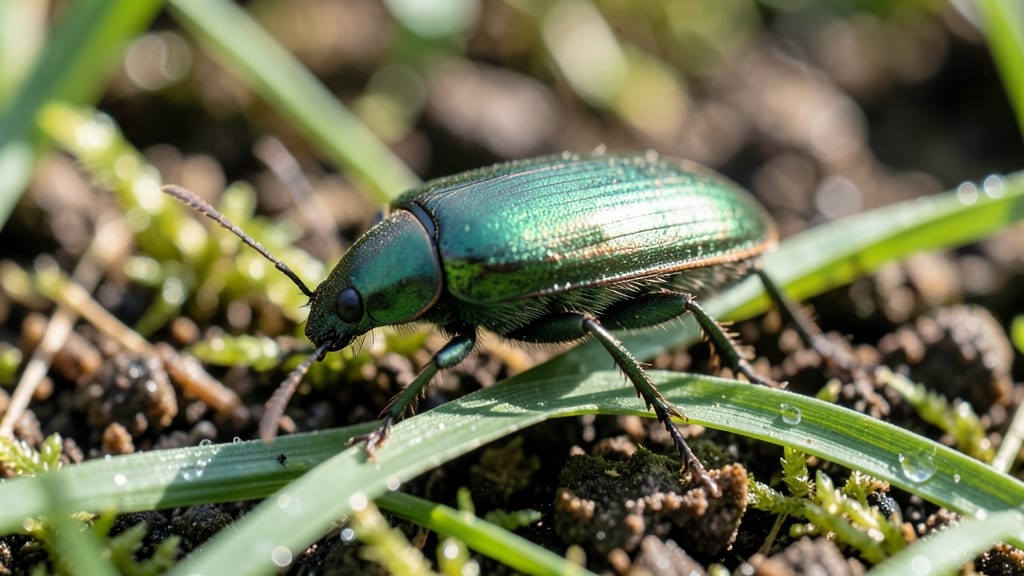
Your garden’s underground mystery solved—the identification of soil insects is the key to stopping those tiny invaders before they ruin your plants. 🪲 Each type leaves its own clues: grubs chew roots, wireworms attack seeds, cutworms sever stems at night, and ants or termites leave behind trails or hollowed wood.
Wilting seedlings, half-eaten stems, or sawdust-like frass are red flags that demand action.
Start with a simple soil sample: dig up a 6-inch cube near struggling plants and look for wiggling suspects. Grubs are C-shaped, wireworms are hard-bodied and shiny, while cutworms hide under mulch by day. Ants trail in lines, and termites leave behind hollowed wood or frass (sawdust-like debris).
Once you spot them, act fast—grubs munch roots, wireworms attack seeds, and cutworms sever stems at night. A quick check with a magnifying glass or flashlight reveals their damage before it’s too late. Preventive measures like beneficial nematodes or diatomaceous earth can stop them before they start.
This isn’t just about spotting bugs—it’s about saving your plants before they wilt away. With the right tools and a little detective work, you’ll turn those soil invaders into a manageable (and solvable) problem. Let’s get started!
Root Causes of Soil Pest Populations
Understanding why soil insects thrive in your garden is the first step to managing them effectively. These tiny but mighty pests don’t just appear out of nowhere—they’re drawn by specific conditions that make your soil an all-you-can-eat buffet.
Let’s break down the key triggers that turn your garden into an insect paradise.
Soil insects like grubs, cutworms, and fungus gnats love damp conditions because moisture makes it easier for them to move, feed, and reproduce. Here’s why it happens:
- Poor Drainage: Clay-heavy or compacted soil holds excess water, creating a soggy environment that attracts moisture-loving pests. Root maggots, for example, thrive in waterlogged areas because their larvae need high humidity to survive.
- Overwatering: While plants need water, consistently soggy soil disrupts beneficial microbial activity and invites fungal diseases—which, in turn, attract insects like springtails and pill bugs that feed on decaying organic matter.
- Irrigation Practices: Drip irrigation or overhead watering that keeps the soil surface damp for long periods signals to pests that it’s a prime feeding zone.
Actionable Fix:
- Test your soil’s drainage by digging a 6-inch hole and filling it with water. If it doesn’t drain within a few hours, amend with coarse sand or perlite.
- Water deeply but less frequently to encourage roots to grow deeper, reducing surface moisture.
A thick layer of leaves, grass clippings, or wood chips might seem like free fertilizer, but it’s also a hotel for soil insects. Here’s the science:
- Decomposing Matter: As organic material breaks down, it releases heat and moisture, creating a warm, humid microclimate that grubs, earwigs, and millipedes adore.
Think of it as a cozy incubator for their eggs. - Lack of Turnover: Stagnant mulch or compost piles trap pests because they can’t escape predators (like birds or beneficial nematodes) and have unlimited food. - Hidden Havens: Thick mulch layers can hide cutworms and wireworms, which burrow into the soil to avoid sunlight and predators.
Actionable Fix:
- Rake and aerate mulch annually to prevent compaction and reduce moisture retention.
- Avoid piling organic matter directly against plant stems—keep it 2–3 inches away to deter pests.
- Use straw or shredded leaves (instead of whole clumps) for mulch, as they break down faster and don’t create as many hiding spots.
When soil lacks essential nutrients, plants become stressed and weak, making them easier targets for pests. Here’s how it plays out:
- Weakened Plant Defenses: Plants low in nitrogen, phosphorus, or potassium produce less sap and tougher cell walls, which attracts aphids, whiteflies, and root-feeding beetles looking for an easy meal.
- Fungal Growth: Poor soil health often leads to fungal infections (like black spot or powdery mildew), which in turn attract fungus-loving insects such as sowbugs and pill bugs.
- Competition for Resources: When soil is depleted, weeds and pests outcompete your plants for nutrients, leading to stunted growth and increased vulnerability.
Actionable Fix:
- Conduct a soil test (available through local extension offices) to identify deficiencies.
- Amend soil with compost, worm castings, or balanced organic fertilizers (like 10-10-10 NPK) to restore health.
- Crop rotation disrupts pest life cycles by depriving them of their favorite hosts.
Heavy foot traffic, machinery, or even digging can compact soil, creating a dense layer that suffocates beneficial organisms while inviting pests. Here’s why:
- Reduced Oxygen: Compacted soil limits airflow, forcing plants to work harder and weakening their roots—a buffet for root borers and grubs. - Altered Microbial Life: Healthy soil teems with bacteria and fungi that naturally suppress pests.
Compaction disrupts this balance, making the environment more hospitable to wireworms and scarab grubs. - Physical Barriers: Compacted layers can trap moisture and organic matter, creating pockets of decay that attract insects like darkling beetles.
Actionable Fix:
- Aerate compacted soil using a garden fork or core aerator to break up dense layers.
- Mix in sand or compost to improve structure and drainage.
- Avoid walking on garden beds—use boardwalks or mulch paths to protect soil integrity.
Some soil insects are seasonal opportunists, while others thrive due to microclimates in your garden. Here’s how weather patterns influence their behavior:
- Warm, Humid Summers: Pests like Japanese beetles and cutworms become more active in heat, as their larvae develop faster in warm soil.
- Mild Winters: In regions with short freezes, pests like grubs and root maggots survive the winter and emerge earlier in spring.
- Drought Followed by Rain: Sudden moisture spikes after dry spells trigger hatching cycles for eggs laid in dormant soil.
Actionable Fix:
- Monitor weather patterns and adjust watering to avoid extreme moisture swings.
- Use row covers or reflective mulch in early spring to deter flying adults from laying eggs.
- Plant pest-repelling companions (like marigolds or nematode-attracting plants) to disrupt life cycles naturally.
A healthy garden ecosystem keeps pests in check through predator-prey dynamics. When this balance is disrupted, insects multiply unchecked. Common disruptors include:
- Pesticide Overuse: Broad-spectrum chemicals kill beneficial insects (like ladybugs, ground beetles, and lacewings) that feed on soil pests.
- Monoculture Planting: Large patches of a single plant (e.g., corn or potatoes) create pest hotspots because there’s no diversity to attract natural enemies.
- Habitat Loss: Removing leaf litter, rocks, or untreated wood eliminates hiding spots for predators like spiders, centipedes, and birds.
Actionable Fix:
- Introduce beneficial nematodes (like Steinernema carpocapsae) to target grubs and beetle larvae.
- Plant diverse, native plants to support a wider range of predator species.
- Avoid synthetic pesticides—opt for neem oil, diatomaceous earth, or insecticidal soap as targeted alternatives.
Fixing Soil Pest Problems Fast
Dealing with soil insects can feel like a never-ending battle, but with the right strategies, you can reclaim your garden’s health. Below, we’ve mapped common causes to practical, actionable fixes—plus prevention tips to keep pests at bay for good.
Cause: White grubs (Japanese beetle larvae, June beetle grubs) or cutworms munching on plant roots, weakening or killing seedlings and established plants.
🍳 Fix It:
- Handpick & Dispose 🪰
- After watering (grubs come to the surface), use a trowel to scoop them into a bucket of soapy water. Dispose of them far from your garden.
- Nematode Treatment 🐛⚔️
- Apply beneficial nematodes (like Heterorhabditis bacteriophora) to your soil. These microscopic predators seek out and kill grubs naturally. Follow package instructions for best results.
- Neem Oil Spray 🌿💦
- Spray neem oil on soil and foliage to deter adult beetles from laying eggs. Reapply every 7–10 days during peak beetle season.
✨ Prevention Tips:
- Healthy Soil = Strong Defenses 🌱💪: Amend soil with compost to encourage deep root growth, making plants less vulnerable.
- Mulch Strategically 🍂: Use coarse mulch (like wood chips) to deter beetles from laying eggs near the soil surface.
- Plant Resistant Varieties 🌻: Choose grubs-resistant grasses (e.g., tall fescue) and plants like marigolds or geraniums to repel pests.
Cause: Overly moist, organic-rich soil attracts fungal gnats and shore flies, whose larvae feed on roots and organic matter.
🍳 Fix It:
- Reduce Moisture 💧🚫
- Let the top 1–2 inches of soil dry out between waterings. Use a moisture meter to monitor levels.
- Yellow Sticky Traps 🎯🐝
- Hang yellow sticky cards near affected plants to catch adult gnats and shore flies. Replace traps weekly.
- Diatomaceous Earth (DE) 🪨✨
- Sprinkle food-grade DE lightly on soil surface. It dehydrates larvae but is safe for plants and pets once settled. Reapply after rain.
✨ Prevention Tips:
- Improve Drainage 🚿: Amend heavy clay soil with perlite or sand to prevent waterlogging.
- Avoid Over-Fertilizing 🌱🚫: Use slow-release fertilizers and avoid excessive organic matter (like fresh manure) that attracts gnats.
- Use Cactus Soil Mix 🌵: For potted plants, blend regular potting mix with cactus/succulent soil to deter gnats.
Cause: Ants tunnel through soil to harvest aphids, termites, or seeds, disrupting plant roots and creating unsightly mounds.
🍳 Fix It:
- Bait Stations 🍪🐜
- Place borax or boric acid bait stations (like Terro Liquid Ant Baits) near mounds. Ants carry the bait back to the colony, eliminating them within days.
- Vinegar Barrier 🍶🛡️
- Spray a 1:1 vinegar-water mix around ant trails and mound edges. The smell disrupts their scent trails. Reapply after rain.
- Dust Dry Soil with DE 🪨🏜️
- Lightly dust food-grade diatomaceous earth around the mound. It kills ants on contact but won’t harm plants.
✨ Prevention Tips:
- Remove Food Sources 🍎🚫: Keep aphids (ant favorites) under control with soapy water sprays or ladybugs.
- Seal Entry Points 🏠🔒: Check for cracks in garden borders or pots where ants might enter.
- Plant Mint or Cinnamon 🌿🌿: These scents repel ants naturally—plant near high-risk areas.
Cause: Subterranean or drywood termites silently destroy wood, roots, and even plant stems, leading to collapsed structures or dead plants.
🍳 Fix It:
- Termite Bait Stations 🍫🐜
- Install termite bait systems (like Spectracide Termite Bait) in the soil. Worker termites consume the bait and share it with the colony, eliminating them over time.
- Wood Treatments 🪵🛡️
- Treat infested wood with borax or permethrin-based sprays. For plants, prune and destroy damaged stems immediately.
- Professional Inspection 👨🔬🏡
- If termites are severe, call a pest control expert for soil treatments (like Termidor) or tenting for large infestations.
✨ Prevention Tips:
- Reduce Wood Debris 🪵🚫: Clear fallen branches, stumps, or untreated wood from garden beds.
- Keep Mulch Away from Structures 🏠🍂: Maintain a 6-inch gap between mulch and house foundations.
- Use Termite-Resistant Plants 🌿: Opt for cedar, redwood, or treated lumber for raised beds.
💡 Pro Tip: Always identify the pest first (use a magnifying glass or consult a local extension office) before treating—some solutions work for grubs but harm beneficial insects like earthworms! For organic gardens, nematodes and DE are your best friends. 🌱✨
Frequently asked questions
How can I tell if my soil has insects without digging?
Look for visual clues like wilting plants, chewed stems, or frass (tiny sawdust-like debris). Check for ant trails, tiny holes in leaves, or plants that topple over unexpectedly—signs of cutworms. Listen for rustling in mulch or soil when disturbed, which often means grubs or beetle larvae are present.
What’s the best time of day to find soil insects?
Early morning or late afternoon are the best times to spot them. Many insects like grubs and cutworms come to the soil surface after watering or rain. Use a flashlight to inspect moist soil—you’ll often find larvae hiding just beneath the surface or under mulch.
Can I use a magnifying glass to identify soil insects?
A 10x magnifying glass is perfect for examining tiny details like leg patterns, body shape, or antennae. Look for C-shaped grubs, shiny wireworms, or segmented millipedes. For tricky IDs, take a photo and compare it to online guides or consult your local extension office.
Are all soil insects harmful to my garden?
Not at all! Many are beneficial, like earthworms (which aerate soil) or ground beetles (which eat pests). Harmful ones include grubs, wireworms, and termites. Focus on identifying the damage first—if plants look healthy, the insects are likely helping rather than hurting.
How do I know if my plants are dying from soil insects or other issues?
Check for root damage by gently digging up a plant. Look for chewed roots, hollow stems, or tunnels—clear signs of soil pests. Compare with other plants in the same area. If only some plants are affected, insects are likely the culprit. Fungal issues usually cause yellowing leaves or mold, not structural damage.