
How To
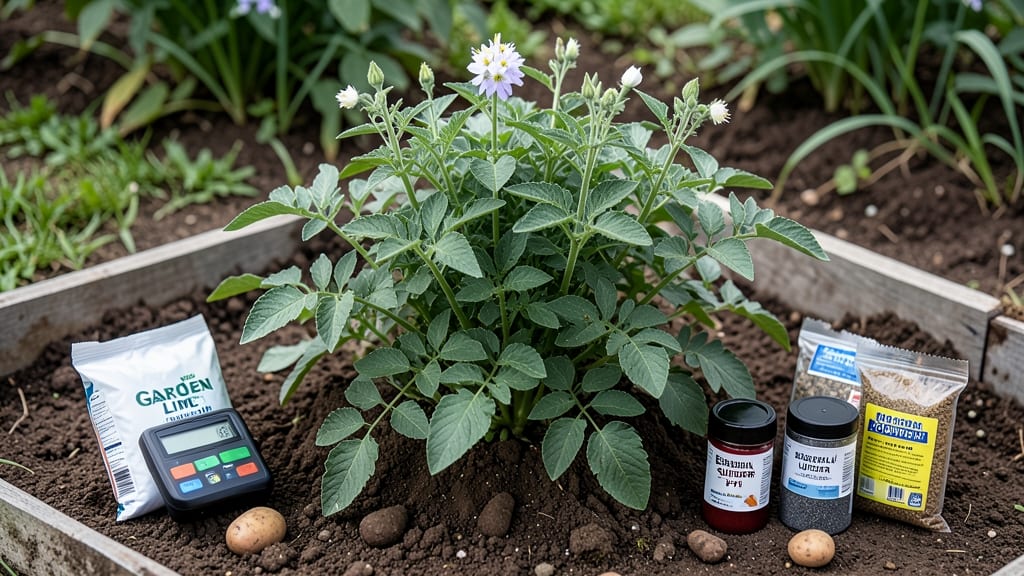
Potatoes need soil with a pH between 5.0 and 6.5—that’s the acidic range where their roots access nutrients most efficiently, and where most gardeners get it wrong.
Did you know potatoes thrive in soil so acidic that most gardeners avoid it? Getting the soil pH for potatoes just right can mean the difference between a meager harvest and a bumper crop of crisp, flavorful spuds.
Too alkaline, and your 🥔 plants struggle to absorb phosphorus and potassium, leading to stunted growth. Too acidic, and you risk aluminum toxicity, which can rot the tubers before they even form. The secret lies in testing your soil and making small, targeted adjustments.
In this guide, I’ll walk you through the ideal pH range, how to test your soil accurately, and the simple steps to tweak it—whether you need to raise or lower the pH—so you can grow potatoes that are bigger, healthier, and ready for harvest in mid-summer.
Optimal soil PH range for potatoes: why acidic soil boosts growth
Did you know potatoes thrive in soil so acidic that most gardeners avoid it? Getting the soil pH for potatoes just right can mean the difference between a meager harvest and a bumper crop of crisp, flavorful spuds.
Unlike many vegetables that prefer neutral soil, potatoes love acidic conditions between 5.0 and 6.5 on the pH scale. This range unlocks their full potential by maximizing nutrient uptake, especially phosphorus and potassium, which are critical for tuber development.
Most gardeners mistakenly assume potatoes need neutral soil like tomatoes or peppers. However, this misconception often leads to stunted growth or poor yields. The truth is, potatoes evolved in cool, acidic climates like the Andes, where soil naturally falls within this lower range.
When you match their natural preferences, you set the stage for healthier roots and higher yields.
Here’s why acidic soil boosts growth: At a pH of 5.0–6.5, potatoes absorb phosphorus and potassium more efficiently. These nutrients are vital for energy transfer and water regulation in plants.
Phosphorus, for example, helps form the tubers themselves, while potassium strengthens cell walls, making potatoes more resistant to disease and stress. Without the right pH, these nutrients become locked away, leaving your spuds underdeveloped.
Testing your soil’s pH is the first step to success. You can use a simple home pH test kit (costing under $10) or send a sample to a local extension office for professional analysis.
For a quick check, look for yellowing leaves or stunted growth—these are red flags that your soil may be too alkaline. If your pH is outside the ideal range, don’t panic; adjusting it is straightforward with the right amendments.
If your soil tests below 5.0, you can raise the pH by adding ground limestone or wood ash. These amendments neutralize acidity over time, making nutrients more accessible. For soil above 6.5, incorporate sulfur or peat moss to lower the pH gradually.
The key is patience—soil pH changes take weeks to months, so plan ahead, especially if you’re preparing a new garden bed.
Another common mistake is assuming that all acidic soil is the same. Organic matter, like compost or well-rotted manure, naturally lowers pH while improving soil structure. Aim for 3–5% organic matter in your potato beds to create the perfect environment.
This not only enhances nutrient availability but also improves drainage, which is critical for preventing rot and disease.
Regional differences also play a role. In northern climates, soil tends to be naturally acidic due to high rainfall and organic decomposition. Southern gardens, however, often struggle with alkaline soil from limestone bedrock.
If you’re in a dry, hot climate, focus on mulching with pine needles or oak leaves to maintain acidity naturally.
Don’t overlook the role of micronutrients like boron and copper, which potatoes need in trace amounts. Acidic soil enhances their availability, leading to stronger stems and healthier tubers. Without these micronutrients, potatoes may develop hollow hearts or cracked skins, even if the pH is technically correct.
Think of acidic soil as a multivitamin for your spuds—it ensures they get everything they need to thrive.
Ready to test your soil? Grab a pH test kit and a trowel, then dig a small hole near where you’ll plant. Mix the soil with water, follow the kit’s instructions, and compare the results to the ideal range.
If adjustments are needed, start amending your soil 4–6 weeks before planting to give it time to stabilize. Your future harvest will thank you!
With the right soil pH for potatoes, you’re not just growing food—you’re cultivating a thriving ecosystem where every tuber reaches its full potential. Whether you’re a backyard gardener or a small-scale farmer, mastering this simple but critical factor will transform your potato harvest from good to exceptional. 🥔
How to adjust soil PH for potatoes: quick fixes for too acidic or alkaline soil
Potatoes love their soil a little sour—ideal pH for potatoes falls between 5.0 and 6.5, but many gardeners accidentally create soil that’s too alkaline or overly acidic. If your soil pH test reveals numbers outside this range, don’t panic.
With the right organic amendments, you can tweak your soil’s chemistry in time for planting. The key is patience and precision, since drastic changes take months.
First, grab your soil pH test kit (or send a sample to your local extension office) to pinpoint exactly where your soil stands. Alkaline soil (pH 7.0+) needs acidifying, while acidic soil (pH 4.9-) requires raising.
Both fixes start with organic matter, but the methods diverge sharply. Let’s break down the quickest, most effective strategies for each scenario.
⚠️ Common Mistake Alert!
Adding too much lime to lower acidity or sulfur/peat moss to raise pH can backfire. Overcorrecting throws off micronutrient balance (like zinc or manganese), leading to stunted potato growth or scab disease. Always adjust pH gradually—aim for 0.5 pH points per season.
🌱 Pro Tip: Split amendments into two applications—half before planting, half 6 weeks later.
To lower pH (make soil more acidic), start with elemental sulfur, the gold standard for gardeners. Mix 1–2 pounds of sulfur per 100 square feet into the top 6–8 inches of soil 2–3 months before planting.
For faster (but less organic) results, try peat moss or pine needles, which release acids as they decompose. Work these into your soil in fall or early spring—never right before planting.
Raising pH for alkaline soil requires calcium carbonate (agricultural lime), the safest choice. Apply 5–10 pounds per 100 sq ft (check the product’s neutralizing value for exact amounts) and till it in.
For a gentler organic fix, use wood ash (from untreated wood) at 1–2 cups per plant, but test first—too much can push pH into alkaline territory again. Always water thoroughly after applying.
Timing matters! For sulfur or peat moss, work them into the soil 3–4 months before planting—potatoes need time to adjust. Lime or wood ash can be added 2 months ahead, but monitor pH with a soil test kit every 4–6 weeks.
If your soil is extremely alkaline (pH 7.5+), consider growing acid-loving potato varieties like Yukon Gold or Purple Peruvian, which tolerate slightly higher pH.
After adjusting, mulch with straw or compost to stabilize pH and retain moisture. Avoid fresh manure, which can spike pH unpredictably. With the right amendments and patience, your potatoes will thrive in soil that’s perfectly tuned for their needs—no more small, misshapen tubers or stunted plants! 🥔