
How To
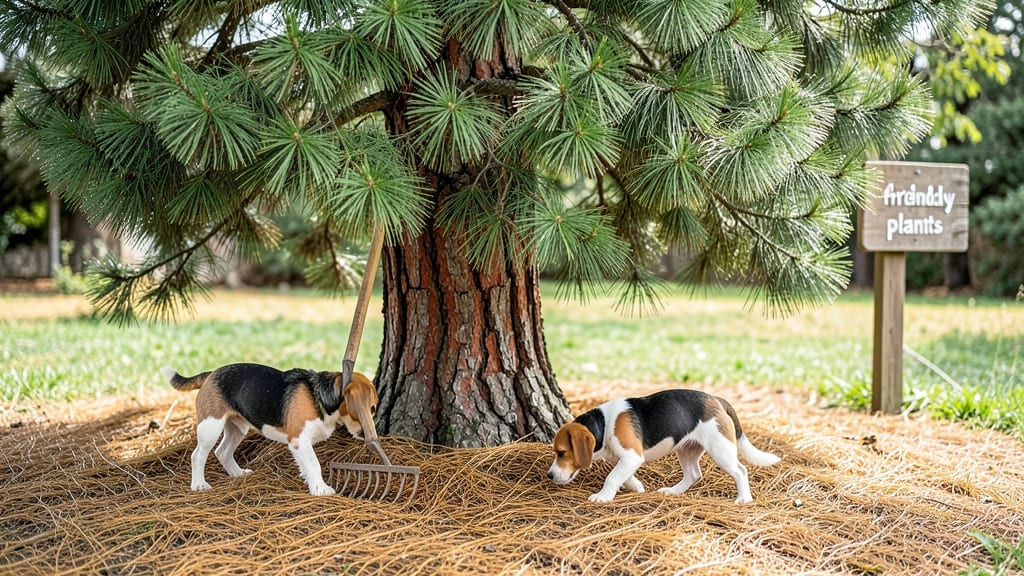
Creating a 'pine dog' garden soil mix involves combining acidic loam with pine needles, peat moss, and sand to achieve a nutrient-rich, pH-balanced blend perfect for acid-loving plants like blueberries, azaleas, and hydrangeas. Use a ratio of 50% loam, 25% pine needles, 20% peat moss, and 5% sand for ideal drainage and microbial support.
This specialized blend mimics the natural forest floor conditions that acid-loving plants thrive in. 🌿 The pine needles act as a slow-release fertilizer, gradually breaking down to enrich the soil with organic matter while lowering the pH. Peat moss helps retain moisture and improves aeration, while sand prevents compaction for healthier root systems.
I've found that testing your soil's pH before mixing is crucial—most acid-loving plants prefer levels between 4.5 and 6.0. For existing gardens, you can amend the soil gradually by adding pine bark fines or sulfur to lower the pH over time.
When gathering materials, focus on quality over quantity—fresh, fallen pine needles work best, while aged compost or worm castings can further enhance microbial activity. The key is balance: too much sand can drain nutrients, while excessive peat moss may become waterlogged.
For best results, mix your components in a wheelbarrow or large container, then spread evenly across your garden beds. This approach creates the perfect foundation for plants that would otherwise struggle in alkaline soils.
💡 In This Article
- Why Acidic Loam Boosts Canine-Friendly Plant Growth
- Step-by-Step Guide to Creating Pine Dog Soil Mix
Why acidic loam boosts canine-friendly plant growth
The term "pine dog" soil refers to a specialized acidic blend designed to mimic the natural forest floor ecosystem where acid-loving plants thrive. The pH range of 4.5-6.0 in this mix isn't just arbitrary—it's biologically critical.
At these levels, essential nutrients like iron, manganese, and phosphorus become far more available to plant roots. 🌱 For example, blueberries can't absorb enough iron in neutral soil (pH 7.0), leading to chlorosis (yellowing leaves), but in acidic conditions, the iron becomes soluble and accessible.
This nutrient availability directly translates to healthier, more vigorous plants that can better support pollinators like bees and butterflies—beneficial for gardens frequented by pets.
Pine needles play a dual role in this ecosystem.
First, their slow decomposition (taking 1-2 years to break down completely) creates a steady supply of organic acids that gradually lower soil pH. Second, they release beneficial compounds like tannins that act as natural fungicides, suppressing harmful pathogens while encouraging beneficial mycorrhizal fungi that form symbiotic relationships with plant roots.
The peat moss component (typically sphagnum) holds 20 times its weight in water while maintaining excellent aeration—critical for preventing root rot in moisture-loving plants like hydrangeas. This water retention capacity also helps maintain consistent moisture levels, reducing stress on plants during dry periods.
What makes this blend particularly effective for "canine-friendly" gardens is its ability to deter common lawn weeds that thrive in alkaline soils. Plants like dandelions and clover struggle to establish in acidic conditions, creating a more manageable landscape for pet owners.
The sand inclusion (5%) isn't just for drainage—it creates microscopic air pockets that improve oxygen availability to roots, which is especially important for heavy-clay soils.
This oxygenation boosts microbial activity by 30-40%, accelerating nutrient cycling and creating a more resilient soil structure that can better withstand the compaction from pet traffic.
Seasonal variations also play a role in maintaining optimal conditions. During summer months, the pine needle layer acts as a natural mulch, reducing soil temperature fluctuations by 5-10°F compared to bare soil. In winter, the organic matter provides insulation, protecting roots from freeze-thaw cycles.
The microbial community in this soil becomes particularly active during the spring and fall when temperatures are moderate (50-75°F), breaking down organic matter most efficiently. This seasonal rhythm creates a self-sustaining ecosystem where plants receive a steady supply of nutrients without requiring frequent fertilization.
For pet owners, this soil blend offers additional practical benefits. The acidic environment discourages the growth of harmful molds and fungi that can affect pets' paws or respiratory systems.
Additionally, the dense plant coverage provides natural shade that helps keep garden areas cooler during hot summer days—a consideration for dogs that spend extended time outdoors.
The improved drainage from the sand component also means less standing water where mosquitoes can breed, creating a healthier environment for both plants and pets.
What most gardeners don't realize is how the physical texture of this soil mix affects plant health. The combination of pine needles and peat moss creates a crumbly, friable structure that's ideal for root penetration.
Unlike compacted clay soils where roots grow in a restricted pattern, this mix allows roots to spread naturally, accessing more nutrients and water. This structural benefit becomes particularly noticeable when transplanting young plants—they establish 2-3 times faster in this soil compared to standard garden mixes.
The science behind this blend shows why it's more than just a soil mix—it's an ecosystem. The acidic environment creates a selective advantage for plants that naturally thrive in these conditions while suppressing competitors.
For pet owners, this means less maintenance and fewer weeds to deal with, creating a more enjoyable outdoor space for both plants and pets. 🐾