
How To
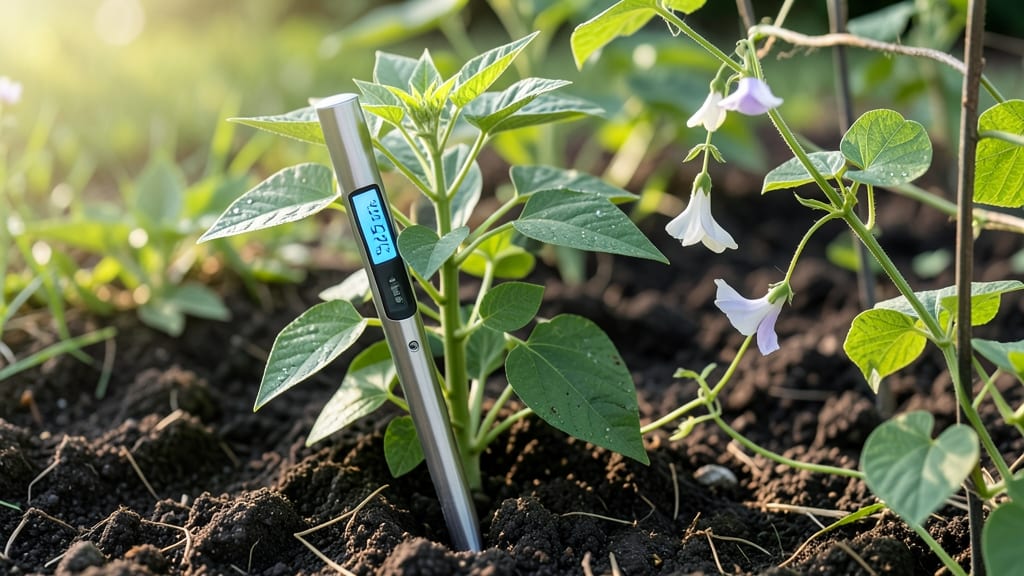
Beans thrive when soil temperatures hit 60°F (15°C)—too cold, and your seeds will rot before sprouting.
Struggling to get your bean plants off to the right start? Soil temperature is the hidden factor that determines whether your seeds sprout or rot—here’s exactly what your beans need to thrive.
In USDA Zone 6a, where spring can drag on, waiting for the right warmth means the difference between a 6-week harvest and a wasted packet. Too early, and your seeds linger in the soil, vulnerable to rot. Too late, and you miss the April-May planting window entirely.
Below, I’ll break down the ideal ranges by variety, how to test your soil’s readiness, and the easiest tricks to warm it up—whether you’re dealing with stubborn cold soil or a heatwave cutting your season short.
Optimal soil temperature ranges for different bean varieties
Getting your bean seeds to sprout reliably depends on one critical factor: soil temperature. Unlike cool-season crops, beans are warm-season plants that need consistent heat to break dormancy and germinate.
Planting too early in cold soil often results in seeds that rot in the ground or fail to sprout at all. The ideal soil temperature for beans varies slightly by variety, but most thrive when the ground reaches 60-85°F (15-29°C).
Understanding these ranges helps you time your planting perfectly—whether you're growing bush beans, pole beans, or lima beans. Cold-tolerant varieties can handle slightly cooler conditions, while heat-sensitive types may struggle if soils exceed 85°F (29°C).
Let’s break down the exact temperatures each type needs to ensure strong germination and vigorous growth.
🌱 Why soil temperature matters: Bean seeds contain enzymes that activate only when warmed to their ideal range. Below 55°F (13°C), germination slows dramatically, while above 90°F (32°C), seeds may dry out before sprouting. Even a 5°F (3°C) difference can mean the difference between a thriving crop and total failure.
Here’s a quick reference for the optimal soil temperature ranges by bean type, including cold-hardy and heat-tolerant varieties:
For bush beans, the sweet spot is 60-75°F (15-24°C), making them the most adaptable for early spring or late summer plantings. These varieties germinate quickly—often in just 5-10 days—when soil conditions are ideal.
If you’re in a cooler climate, opt for cold-tolerant bush beans like Contender or Provider, which can handle soils as low as 50°F (10°C).
Pole beans, like Kentucky Wonder, demand warmer soil—65-80°F (18-27°C)—and take longer to sprout (7-14 days). Plant
How to Test and adjust soil temperature for bean growth
Testing and adjusting soil temperature is one of the most overlooked steps when planting beans. Even if you’ve chosen the right variety and prepared your soil, cold soil can stall germination or cause seeds to rot before they sprout.
The good news? With a few simple tools and techniques, you can create the perfect conditions for your beans to thrive.
Most bean varieties need soil temperatures between 60°F and 90°F (15°C to 32°C) for optimal germination. But how do you know if your soil is ready? And what can you do if it’s still too cold?
Let’s break it down into actionable steps so you can get your beans growing faster and stronger.
⚠️ Warning: Cold Soil Kills Bean Seeds
Seeds planted in soil below 55°F (13°C) may take weeks to germinate—or never sprout at all. Even if they do, seedlings grow weak and susceptible to disease. Use these three quick tests to check your soil:
- Hand Test: Press your hand into the soil. If it feels cold and damp, it’s likely too cool.
- Thermometer Test: Use a soil thermometer (insert 2-3 inches deep) for accuracy.
- Seed Test: Plant a few seeds in a small pot with warm soil (70°F+). If they sprout in 5-7 days, your outdoor soil is likely too cold.
If your soil is colder than 60°F (15°C), don’t panic—there are proven ways to warm it up. Start with black plastic mulch, which can raise soil temperatures by 5-10°F (3-6°C) in just a few days.
Lay it down 1-2 weeks before planting to give your soil a head start. For an even faster boost, try row covers or cold frames to trap heat during the day.
For gardeners in cooler climates, heat sinks like dark-colored bricks or stones can absorb sunlight and radiate warmth into the soil overnight. Place them near your planting rows and cover with a thin layer of mulch to retain heat.
This method works especially well for early spring plantings or late-season extensions.
Once your soil hits the ideal range, monitor it daily with a soil thermometer to avoid fluctuations. Beans are sensitive to sudden temperature drops, so avoid working the soil on cloudy or windy days.
If you notice slow germination or moldy seeds, it’s a sign your soil may still be too cold or too wet.
Pro tip: Pair these adjustments with warm-season companion plants like corn or sunflowers. Their root systems help stabilize soil temperature while providing shade to keep the ground cooler in peak summer heat.
With the right balance, you’ll give your beans the perfect environment to grow from seed to harvest in record time.