
How To
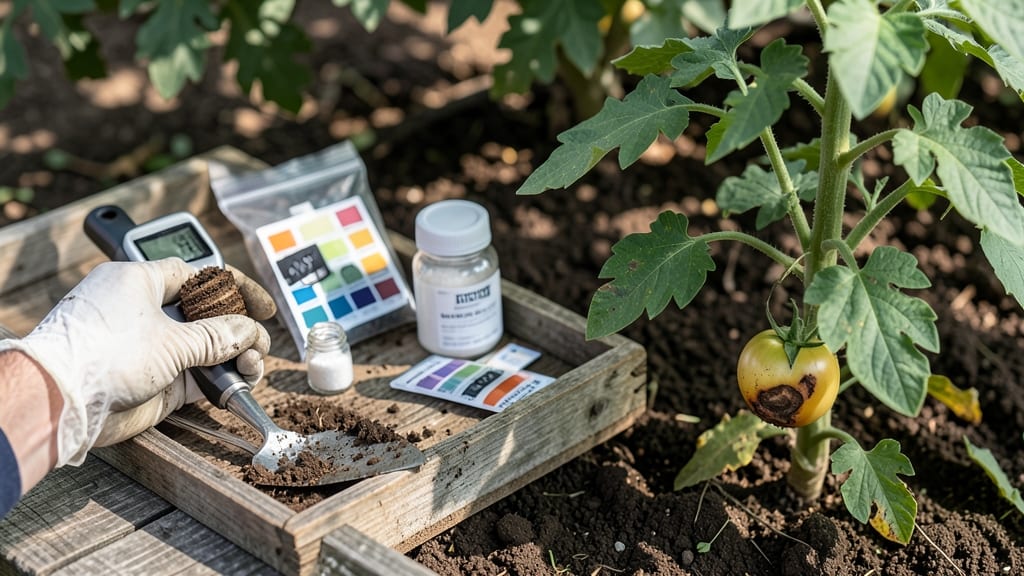
A soil test for calcium helps determine if your garden soil contains enough of this essential mineral by using simple at-home kits or vinegar solutions to check for lime presence and pH levels, which directly impact plant health for calcium-loving crops like tomatoes and peppers.
Calcium isn't just about pH—it's the backbone of cell walls in plants, especially for fruiting vegetables. 🌱 When soil lacks calcium, you'll see classic signs like blossom-end rot in tomatoes or weak stems in peppers, even if your soil looks fertile.
The vinegar test (adding vinegar to soil samples) creates fizz only if calcium carbonate is present, while pH test kits show whether your soil is too acidic or alkaline for optimal calcium uptake. For precise results, I recommend combining both methods before amending your soil.
Most gardeners overlook that calcium availability peaks in slightly alkaline soil (pH 6.5-7.5), so if your test shows low calcium but neutral pH, you might need to add gypsum or crushed eggshells. 💫 The key is balancing calcium with magnesium and potassium—too much of one can lock out the others.
Start with a simple vinegar test for quick feedback, then use a pH kit to confirm your soil's readiness for planting calcium-hungry crops.
💡 In This Article
- How Calcium Affects Soil pH and Plant Growth
- DIY Soil Calcium Test Methods Compared
How calcium affects soil pH and plant growth
Calcium (Ca²⁺) isn't just a mineral—it's the structural glue that holds plant cell walls together, especially in fruiting vegetables like tomatoes and peppers. When soil calcium levels drop below 0.5 meq/100g, plants struggle to form strong cell membranes, leading to classic deficiency symptoms like blossom-end rot in tomatoes.
This occurs because calcium moves slowly through plant tissues, so new growth areas (like blossom ends) get starved first. 🌱 The chemical magic happens when calcium ions (Ca²⁺) bind to pectin in cell walls, creating rigid structures that prevent water loss and microbial invasion.
The relationship between calcium and soil pH is all about chemistry. Calcium carbonate (lime) raises pH by neutralizing acidic hydrogen ions (H⁺), creating a more alkaline environment where calcium becomes more available.
However, if your soil pH climbs above 7.5, calcium can become "locked out" by competing with other cations like magnesium and potassium. This is why calcium-loving plants thrive in slightly alkaline soil (pH 6.5-7.5)—it's the Goldilocks zone where calcium solubility is just right.
Too acidic (pH 5.5), and calcium precipitates as insoluble compounds; too alkaline, and microbial activity slows, reducing calcium cycling in the soil ecosystem.
Excess calcium creates its own problems. While plants need 1-3% calcium by weight in their dry matter, too much disrupts nutrient ratios. For example, high calcium can induce magnesium deficiency (another critical nutrient) because these ions compete for uptake sites in plant roots.
This imbalance shows up as yellowing between leaf veins—something I've seen in over-limed vegetable gardens. The sweet spot is maintaining a 2:1 ratio of calcium to magnesium, which requires regular testing and careful amendments like gypsum (calcium sulfate) that won't alter pH.
Microbial activity in soil is deeply affected by calcium levels. Beneficial bacteria and fungi need calcium to form their own cell walls, so calcium-deficient soil becomes a microbial desert. These microbes then can't break down organic matter to release other nutrients.
I've noticed that compost breaks down 30-50% slower in calcium-poor soil compared to balanced soil. The fix? Add organic matter like composted leaves or bone meal, which releases calcium slowly while feeding soil microbes. This dual approach rebuilds both plant and microbial health simultaneously.
For visual learners, think of calcium as the soil's "plaster"—it holds everything together. When you see crispy blossom ends on tomatoes or weak stems in peppers, that's your soil screaming for calcium.
The vinegar test (adding vinegar to soil) creates fizz only if calcium carbonate is present, but it doesn't tell you about available calcium—just the total. That's why you need to combine it with a pH test to get the full picture.
For example, a soil might test "high" in calcium but still be deficient if the pH is too low for uptake.
Here's the kicker: calcium deficiency often masks other problems. Plants will show calcium symptoms before they reveal nitrogen or phosphorus deficiencies because calcium is immobile in plants—it can't be redistributed from old leaves to new growth. This means the damage is often permanent by the time you notice it.
The solution? Start testing before planting season and amend with 1-2 pounds of gypsum per 100 square feet if your soil tests low. For container gardens, mix in crushed eggshells or lime at planting time.