
How To
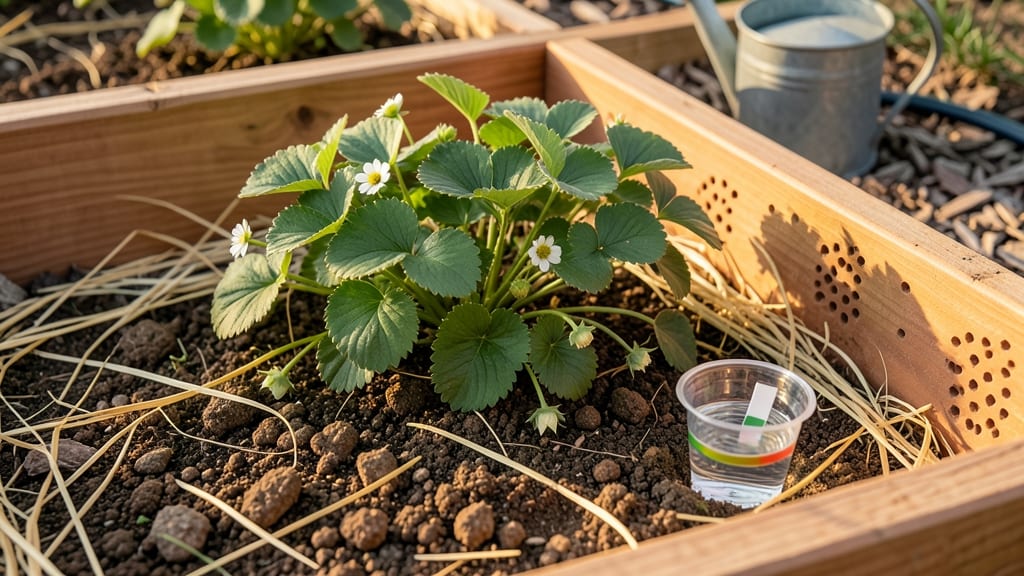
The secret to strawberry soil requirements isn’t just dirt—it’s a perfect balance of acidity, drainage, and organic richness that turns tiny plants into berry-loaded powerhouses. 🌱 I learned the hard way when my first batch of strawberries produced puny, sour fruit because the soil was too alkaline and compacted.
The right mix transforms your garden into a strawberry paradise where plants thrive and fruit grows sweet and plentiful.
Strawberries crave loamy soil with a pH between 5.5 and 6.8—think of it as the Goldilocks zone where roots can breathe, water drains properly, and nutrients are easily accessible. Sandy soil? Add compost to hold moisture.
Clay-heavy? Mix in perlite or coarse sand to break up compaction. A simple soil test kit (around $10) reveals what you’re working with before you even plant.
Once you’ve got the texture right, feed those roots with 2-3 inches of well-aged compost mixed into the top 6 inches of soil. This isn’t just about fertility—it’s about creating a sponge-like environment where roots spread easily and berries develop their signature sweetness.
Mulch with straw afterward to keep moisture in and weeds out, and you’ll see plants establish faster with fewer pests.
Here’s the kicker: maintenance matters. Test your soil every 2-3 years to catch pH shifts early, and top-dress with compost annually to replenish nutrients. In just one growing season, you’ll go from struggling plants to a harvest so abundant, your neighbors will ask for cuttings.
The soil’s the foundation—get it right, and the rest is easy.
📚 In This Guide
- What you need
- Instructions
- Tips and common mistakes
- Wrapping up and next steps
What you need
- ● Topsoil (or garden soil): 50% of the mix (ensure it’s well-draining and slightly acidic, pH 5.5–6.8).
- ● Peat moss or coconut coir: 25% (retains moisture and adds acidity).
- ● Compost: 20% (boosts nutrients without altering pH too much).
- ● Perlite or coarse sand: 5% (improves drainage and aeration).
- ○ Sulfur or pine bark fines: Optional but helpful for adjusting acidity (if your soil is too alkaline).
- ● Balanced fertilizer (10-10-10 or 5-10-10): 1–2 tbsp per plant (or slow-release granules).
- ● pH testing kit: To monitor soil acidity before and after planting.
- ● Garden fork or tiller: For loosening soil (if amending an in-ground bed).
- ● Gloves & wheelbarrow: For mixing and transporting soil.
- ○ Raised bed frames (optional): If growing in containers or raised beds (12" deep minimum).
- ● Mulch (straw or pine needles): To retain moisture and suppress weeds.
- ● Watering can or hose with a gentle spray nozzle: For even moisture distribution.
How to prepare soil for strawberries: the perfect acidic loam mix
Strawberries thrive when their soil is just right—light, acidic, and rich in organic matter. Here’s how to create the ideal growing medium for lush plants and sweet fruit.
🌱 Step 1: Test and Adjust Soil pH for Acid Lovers
Strawberries prefer a pH between 5.5 and 6.5, which mimics their natural woodland habitat. Grab a soil test kit or use vinegar and baking soda for a quick check: mix equal parts soil and water, then add vinegar. If it fizzes, your soil is alkaline—you’ll need to acidify it. For a more precise reading, send a sample to your local extension office.
To lower pH, work in elemental sulfur or peat moss (both acidify over time). I like to spread 1 pound of sulfur per 100 square feet and mix it into the top 6 inches of soil. Wait 2-3 months before planting—rushing this step can burn roots. If your soil is already acidic, skip this and move straight to organic matter.
🌿 Step 2: Build a Loose, Well-Draining Loam Base
Strawberries hate soggy roots, so aim for a loamy texture that drains quickly but holds moisture. Start by removing any grass or weeds, then till in 3-4 inches of compost (well-aged, not fresh) to improve fertility and structure. I add 1 part perlite or coarse sand to 3 parts garden soil to prevent compaction—this mimics the airy, crumbly loam strawberries crave.
For raised beds, mix equal parts topsoil, compost, and peat moss for a lighter, fluffier medium. Press down lightly after amending—you want the soil to feel like a well-worn sponge, not concrete. Dig a hole or mound slightly higher than the surrounding soil to ensure good drainage, especially in rainy climates.
☀️ Step 3: Enrich With Organic Matter for Long-Term Feeding
Strawberries are heavy feeders, so blend in 2-3 inches of well-rotted leaf mold or composted manure (chicken or cow) before planting. I like to top-dress with 1 cup of bone meal per plant at planting time for phosphorus—this boosts root and fruit development. Avoid fresh manure, which can scorch tender roots and introduce pathogens.
For container growing, use a custom mix of 50% peat moss, 30% compost, and 20% perlite. This keeps roots aerated while providing steady nutrients. Mulch the surface with straw or pine needles (both acidify slightly over time) to retain moisture and suppress weeds. Refresh the mulch every 3-4 months to maintain soil health.
💧 Step 4: Maintain Moisture Without Waterlogging
Strawberries need consistent moisture but detest soggy conditions. Water deeply 1-2 times per week, aiming for 1 inch of water per week (more in extreme heat). I use drip irrigation to deliver water at the base, avoiding wetting leaves—which reduces disease risk. Check moisture by sticking your finger 1 inch deep—if it’s dry, water again.
To improve drainage in heavy clay soils, create raised beds or mounds with the amended loam mix. For sandy soils, add 1-2 inches of compost annually to retain moisture. Avoid overhead sprinklers, which can spread fungal diseases like gray mold. A thin layer of mulch (like straw) keeps roots cool and conserves water between waterings.
✂️ Step 5: Monitor and Refresh Soil Annually
Strawberries deplete soil nutrients quickly, so replenish organic matter every spring. Spread 2-3 inches of compost over the bed and lightly scratch it into the top 2 inches of soil. I also add a balanced organic fertilizer (like 5-5-5) at planting and again in early summer to support fruiting. Test soil pH again in late winter—if it’s crept above 6.5, reapply sulfur.
Rotate beds every 3-4 years to prevent soil-borne diseases and nutrient depletion. If you’re growing in containers, refresh the mix entirely each season. The key is consistency: strawberries reward patience with bigger, sweeter fruit when their soil stays acidic, loose, and well-fed.
Tips & tricks for perfect strawberry soil preparation
Creating the ideal growing medium for strawberries isn't just about throwing compost in the ground—it's about crafting a living ecosystem where roots can thrive. Here's what I've learned after years of trial and error (and a few failed strawberry patches).
The pH Test Secret: That vinegar test in Step 1 is your quick reality check, but here's the thing about sulfur—it takes time. I've seen gardeners rush and burn their roots by planting too soon. Think of the 2-3 month waiting period as a soil recovery phase where beneficial microbes get to work. For faster results in small areas, use peat moss instead—it acidifies immediately without the waiting game. Just remember, peat moss breaks down over time, so you'll need to refresh it every few years.
Loam Texture Hack: The 1:3 perlite-to-soil ratio in Step 2 might seem arbitrary, but it's not. I've found that this ratio creates that perfect "squeeze a handful and it crumbles" texture strawberries love. For raised beds, I like to add 1 part coconut coir (instead of peat moss) for a more sustainable option—it holds moisture better and doesn't compact as easily. The key is to avoid anything that feels like wet sand or hard clay when you squeeze it.
Organic Matter Strategy: When mixing in that 2-3 inches of compost in Step 3, don't just pile it on top—work it into the existing soil. I've seen too many gardeners create a compost layer that becomes a barrier rather than an enhancement. For container mixes, I've had great success with 2 parts coconut coir to 1 part compost—it gives you that airy texture while still providing nutrients. And that bone meal? Sprinkle it around the planting hole, not on top—roots will grow toward it more effectively.
Watering Wisdom: The 1-2 times per week guideline in Step 4 is a great starting point, but here's what nobody tells you: morning watering is critical. Watering in the morning gives leaves time to dry completely, which prevents fungal diseases like gray mold. I've also found that adding 1 inch of wood chips around plants creates a moisture reservoir that keeps soil consistently damp without waterlogging. Think of it as nature's slow-release irrigation system.
Pro Tips for Strawberry Soil Requirements
- Creating the ideal growing medium for strawberries isn't just about throwing compost in the ground—it's about craftin...
- The pH Test Secret: That vinegar test in Step 1 is your quick reality check, but here's the thing about sulfur—it tak...
- Loam Texture Hack: The 1:3 perlite-to-soil ratio in Step 2 might seem arbitrary, but it's not. I've found that this r...
Frequently asked questions
Got questions about growing strawberries?
You’re not alone! Here are answers to the most common concerns about soil, timing, and troubleshooting for your sweetest harvest yet.
What is the ideal pH range for strawberry soil?
The sweet spot for strawberries is a slightly acidic pH between 5.5 and 6.8. Test your soil with a kit—if it’s too alkaline (above 7.0), amend with sulfur or peat moss. Pro tip: Blueberries and strawberries love similar soil, but strawberries are a little more forgiving!
When should I prepare my soil for strawberry planting?
Start 4–6 weeks before planting in spring or early fall. This gives soil time to adjust if you’re amending with compost or organic matter. For container-grown strawberries, refresh the soil mix 2–3 weeks before transplanting to avoid stress.
Can I grow strawberries in regular garden soil without amending?
Maybe, but amending improves yields. Strawberries thrive in well-draining, loamy soil rich in organic matter. If your soil is heavy clay or sandy, mix in 2–3 inches of compost or aged manure and top with mulch to retain moisture.
Why are my strawberries struggling even with the right soil?
Check for hidden issues:
Poor drainage? Amend with perlite or sand.
Pests/fungus? Use neem oil or row covers.
Nutrient deficiency? Feed with a balanced fertilizer (10-10-10).
Pro tip: Rotate planting spots yearly to prevent soil-borne diseases.What’s the easiest soil mix for container-grown strawberries?
A simple blend of:
- 60% peat moss or coconut coir (for acidity)
- 30% compost or worm castings (for nutrients)
- 10% perlite or vermiculite (for drainage)
Wrapping up and next steps
Growing luscious strawberries starts with the right soil—well-draining, slightly acidic loam packed with organic matter is your golden ticket! 🌱 Whether you’re amending clay, sandy, or rocky soil, the key is patience and consistency.
With the right prep, you’ll be rewarded with juicy, sweet berries that’ll make your garden the talk of the neighborhood.
Ready to dig in? Test your soil today, then grab those compost, peat moss, and sulfur—your strawberry patch is waiting! 🍓✨