
How To
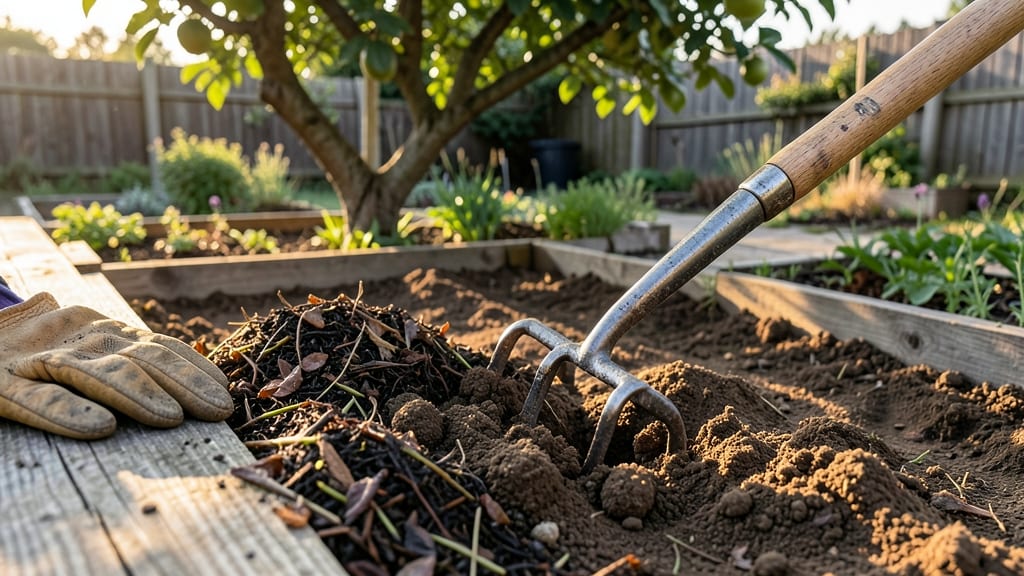
Till the soil means preparing garden beds by aerating and breaking up compacted earth to create ideal growing conditions for plants.
When you till the soil, you're essentially giving plant roots the space they need to spread and access nutrients more efficiently.
This process also improves water drainage and encourages beneficial microbial activity in the soil. 🌱 I've noticed that properly tilled soil warms up faster in spring, which helps jumpstart seed germination and early planting.
The key is to strike a balance—over-tilling can disrupt soil structure and harm beneficial organisms, while under-tilling leaves compacted layers that restrict root growth.
Most gardeners focus on the top 6-12 inches of soil, though deeper tilling may be needed for heavy clay soils or when planting deep-rooted vegetables. The right tools make all the difference: a simple hand trowel works for small areas, while rototillers handle larger spaces more efficiently.
I prefer broadforks for organic gardens because they aerate without flipping soil upside down, which helps preserve soil structure and beneficial life.
💡 In This Article
- Why Aerating Soil Improves Plant Health
- Best Soil-Tilling Tools and Techniques for Gardeners
Why aerating soil improves plant health
At its core, tilling soil creates tiny air pockets that roots desperately need to breathe. Compacted soil acts like a dense sponge, squeezing out oxygen and trapping water—roots suffocate and can't access nutrients efficiently.
When you break up the soil, you're essentially creating a well-ventilated environment where roots can expand freely. This process also disrupts hardpan layers (often found 6-12 inches deep), which are naturally impermeable barriers that block water and root growth.
Microorganisms thrive in aerated soil too. Earthworms, fungi, and bacteria multiply more actively when oxygen circulates properly, breaking down organic matter into plant-available nutrients. Studies show that tilled soil can have up to 30% more microbial activity compared to compacted beds.
The physical disruption also mixes nutrients from deeper layers upward, giving plants immediate access to phosphorus, nitrogen, and potassium they need to grow. 🌱 What's fascinating is how this process mimics natural forest floor conditions where fallen leaves and roots decompose in loose, oxygen-rich soil.
Water management becomes dramatically better after tilling. Compacted soil repels water (a phenomenon called hydrophobicity), causing it to run off instead of soaking in. Loosened soil absorbs water like a thirsty sponge, reducing runoff by up to 50% and preventing erosion.
The improved drainage also prevents waterlogged conditions that can drown roots and promote root rot diseases. I've noticed that tilled beds warm up 2-3°F faster in spring because sunlight penetrates the loosened surface more effectively, which is crucial for early planting.
However, there's a science to how deep you should till. For most vegetables and flowers, breaking up the top 6-8 inches is ideal—deep enough to disrupt compaction but shallow enough to preserve soil structure.
Heavy clay soils may need 10-12 inches of tilling to break through hardpan layers, while sandy soils often only require 4-6 inches.
The key is to match your tilling depth to your soil type and what you're planting—deep-rooted crops like carrots or asparagus benefit from deeper tilling, while shallow-rooted herbs need only light aeration.
Timing matters too. Tilling in early spring (when soil is workable but not waterlogged) gives plants the best head start. Fall tilling is also beneficial for breaking up winter compaction, but avoid tilling when soil is frozen or saturated—this can destroy soil structure and harm beneficial organisms.
The best approach is to till when soil crumbles easily between your fingers (the "squeeze test"), typically when moisture content is around 20-30%. 💫
One common misconception is that more tilling is always better. Over-tilling can actually harm your garden by destroying soil aggregates (those crucial clumps that hold structure) and killing beneficial organisms.
The goal is to create an environment where roots can grow freely without excessive disturbance—think of it like giving your plants room to stretch their legs rather than constantly rearranging their entire home.