
How To
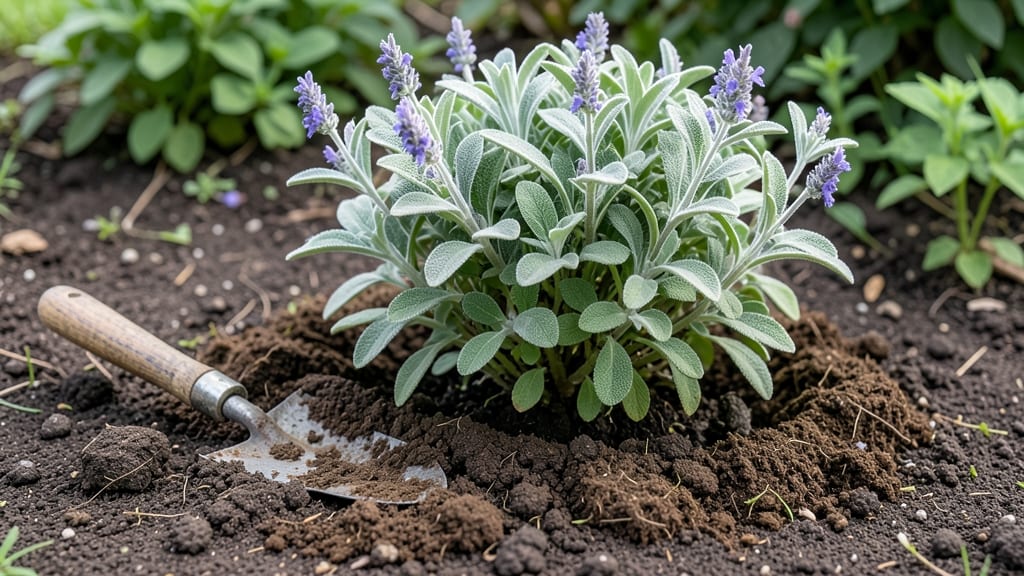
Proper top soil usage depends on your project: apply 2–4 inches for garden beds to boost drainage and root development, 1–2 inches for potted plants to prevent soil compaction, and 3–6 inches for lawns or vegetable gardens to maximize nutrient retention and plant vitality. Always blend it with your existing soil for best results.
The right top soil usage makes all the difference for plant health. 🌱 For garden beds, deeper layers help roots spread while improving water absorption—critical for thirsty plants like tomatoes or peppers.
In containers, shallower layers prevent moisture loss but still provide enough space for roots to grow without becoming root-bound. The key is matching the depth to your plants' needs: shallow-rooted flowers need less, while deep-rooted vegetables thrive with more.
Don't forget to consider your soil's existing quality. Mixing top soil with compost or sand can create the perfect balance—especially in heavy clay or sandy soils. For example, adding 10% compost to your top soil mix can improve moisture retention and microbial activity, giving your plants a stronger start.
Always work top soil into the existing soil rather than just piling it on top to avoid creating a barrier that roots can't penetrate.
💡 In This Article
- How Top Soil Depth Affects Plant Growth and Soil Health
- Top Soil Quantity Calculator for Garden Beds and Containers
How top soil depth affects plant growth and soil health
Top soil depth directly impacts root development because plants need space to spread their roots while accessing nutrients and water. A 2–4 inch layer in garden beds creates an ideal root zone for most annuals and perennials, allowing roots to penetrate deeper into the subsoil below.
For example, tomato plants—with roots that can grow 3–4 feet deep—thrive when top soil is mixed with existing soil to a depth of at least 6–8 inches, ensuring they can reach moisture and nutrients during dry spells. 🌱 The upper layer also protects roots from temperature extremes, keeping them cooler in summer and warmer in winter.
Moisture retention is another critical factor influenced by depth. Shallow layers (1–2 inches) in containers dry out faster, requiring more frequent watering, while deeper layers (3–6 inches) in garden beds hold moisture longer, reducing evaporation.
The organic matter in top soil—typically 5–10% by volume—breaks down over time, improving soil structure and aeration. For instance, a 4-inch layer of top soil mixed with 20% compost can increase water retention by up to 30% compared to bare subsoil, which is crucial for drought-prone areas.
Nutrient availability depends on both depth and organic content. Top soil naturally contains higher levels of nitrogen, phosphorus, and potassium than subsoil, but these nutrients deplete over time. A deeper layer provides a larger nutrient reservoir, while shallower layers require more frequent fertilization.
For example, vegetable gardens benefit from 3–6 inches of top soil because they’re heavy feeders, while ornamental shrubs can thrive with just 2–3 inches if amended with slow-release fertilizers. The key is balancing depth with the plant’s growth habits—deep-rooted plants need more, while shallow-rooted ones need less.
Soil compaction is a hidden enemy, especially in high-traffic areas or containers. Top soil helps alleviate this by adding organic material that improves soil structure, preventing the dense packing that restricts root growth.
In pots, a 1–2 inch layer of top soil mixed with perlite or vermiculite (20–30%) prevents compaction and ensures proper drainage. Without this layer, roots suffocate, leading to stunted growth or disease.
For lawns, a 3–6 inch top soil layer mixed with sand (10–15%) creates a looser, more breathable root zone, reducing the risk of thatch buildup.
Long-term soil health hinges on the organic matter content of your top soil. High-quality top soil contains 3–5% organic matter, which feeds beneficial microbes and earthworms, breaking down into humus that improves soil fertility.
Over time, this organic matter decomposes, so replenishing it—either by adding compost or top soil annually—is essential. For example, amending garden beds with 1 inch of compost every spring can maintain soil health for years, reducing the need for chemical fertilizers.
The texture also matters: a crumbly, dark top soil indicates good organic content, while a sandy or clay-like texture suggests poor quality.
Consider your climate when choosing depth. In arid regions, deeper layers (4–6 inches) help retain moisture, while in rainy climates, shallower layers (2–3 inches) prevent waterlogging.
For instance, in the Southwest, a 6-inch top soil layer with 15% compost can reduce irrigation needs by 40% compared to minimal coverage. Always test your soil’s pH and texture before applying top soil—amending with lime or sulfur may be necessary to optimize conditions for your plants. 💫