
Trees
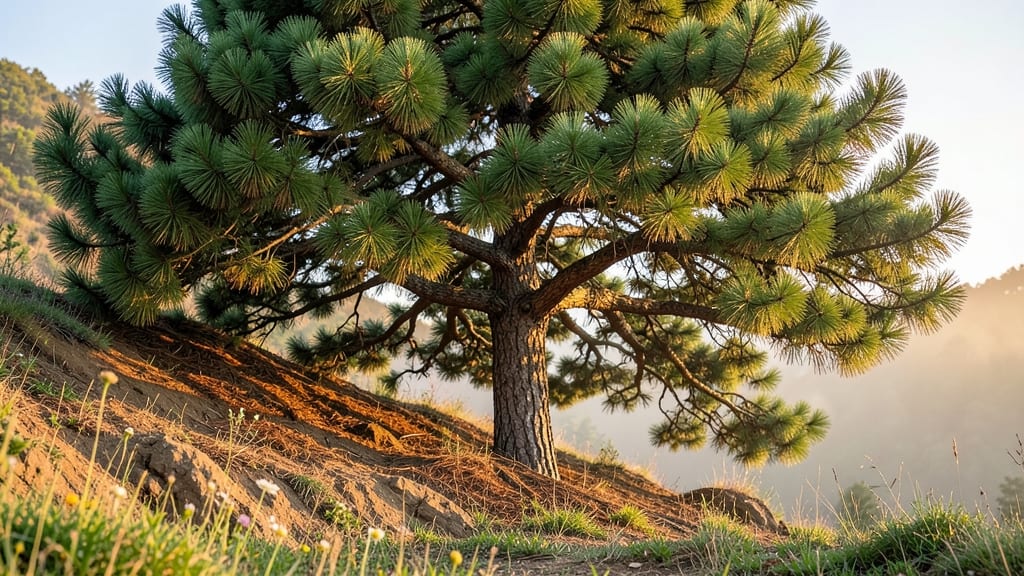
Preventing soil erosion doesn’t require expensive retaining walls—strategically planted trees can stabilize slopes naturally while enhancing your landscape. These 10 fast-growing species offer deep root systems, drought resistance, and year-round benefits for erosion-prone areas.
Willow Trees for Rapid Root Spread
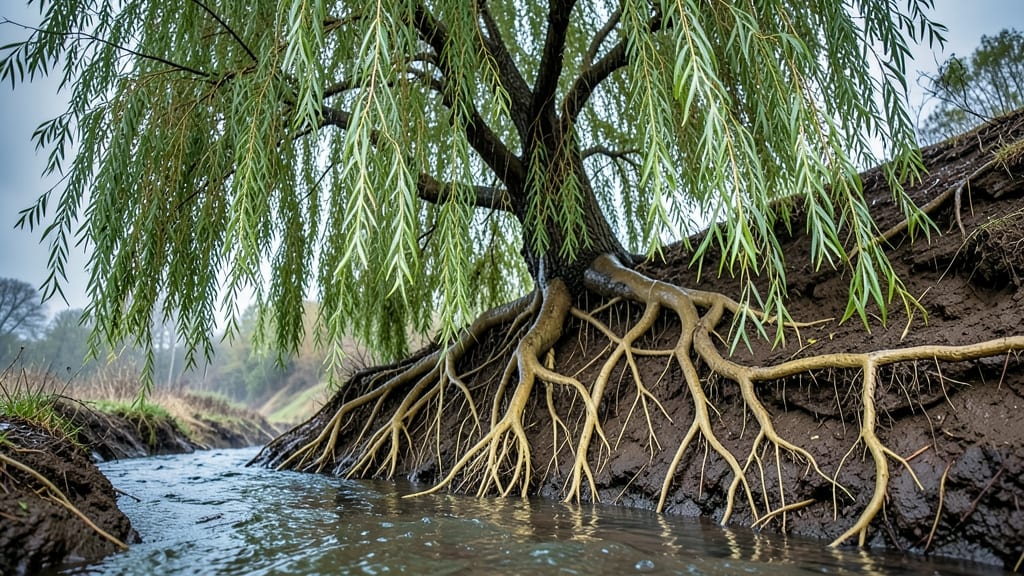
If your property has soggy slopes or streamside areas where water pools after rain, willow trees are nature’s fastest erosion fighters. Their roots spread aggressively—up to 10 feet per year—creating a dense underground network that locks soil in place within just 1-2 years. This makes them ideal for restoration projects where quick stabilization is critical.
Willows thrive in full sun to partial shade and saturated soils where other trees would struggle. For best results, plant bare-root whips in early spring along the slope’s contour, spacing them 6-10 feet apart. Their flexible branches also make them great for creating living barriers against runoff. Just be prepared for their rapid growth—pruning may be needed to manage their spread.
Perfect for landowners restoring wetlands, farmers protecting creek banks, or DIY gardeners tackling muddy hillsides, willows deliver immediate results with minimal upkeep. Their golden foliage in autumn adds beauty to the functional benefits. 🌱
Black Locust for Extreme Erosion Control
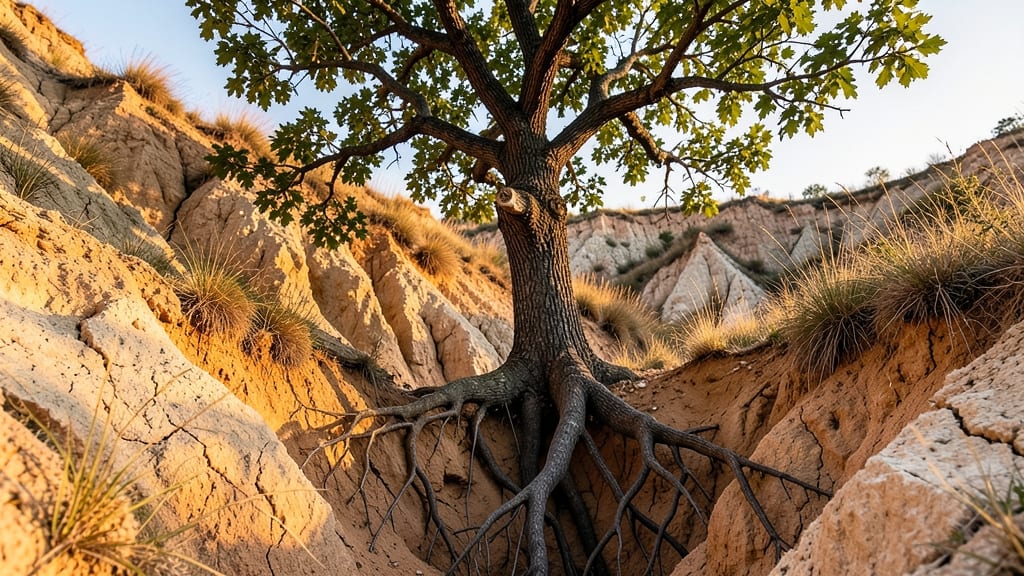
When your slope is so steep that even grass struggles to take hold, the black locust (Robinia pseudoacacia) steps in as nature’s heavy-duty erosion fighter. Unlike delicate ornamentals, this tree thrives in rocky, nutrient-poor soil where others fail, using its 10-foot-deep roots to anchor soil like a living retaining wall.
What makes it stand out? Its aggressive root system outcompetes weeds, while its thorny branches deter livestock from trampling young seedlings. Plant saplings in early spring or fall, spacing them 10–15 feet apart on slopes up to 70% grade. Bonus: It tolerates full sun to partial shade and requires almost no maintenance once established.
Perfect for rural landowners, highway departments, or anyone with high-risk slopes, the black locust delivers long-term stability with almost no fuss. Just be warned—its seeds spread easily, so contain it if you don’t want a forest! 🌟
Eastern Red Cedar for Drought-Prone Areas
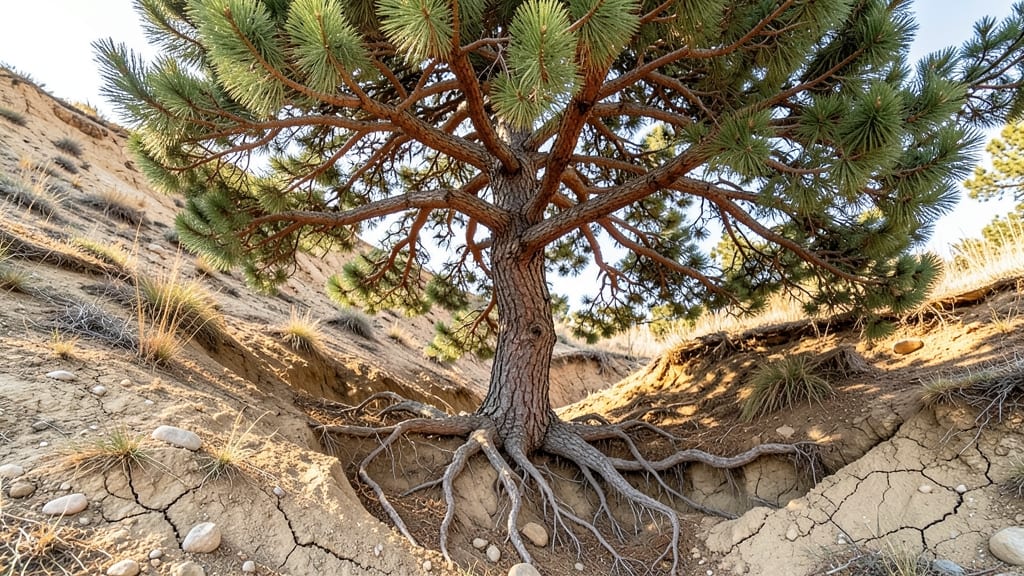
If your slope struggles with drought and loose soil, the Eastern Red Cedar is your low-maintenance solution. This hardy evergreen thrives in dry conditions, making it perfect for sandy or rocky terrain where other plants struggle.
Its fibrous root system spreads horizontally, preventing gullying on gentle slopes while anchoring loose soil. The tree’s salt tolerance also makes it ideal for coastal or windy areas, and its dense foliage provides a year-round windbreak that reduces erosion from wind and rain.
Best for landowners in USDA zones 2-9, this tree requires minimal water once established and attracts wildlife like birds and butterflies. It’s the perfect choice for those seeking a drought-proof, long-lasting erosion fighter. 🌿
Silver Maple for Fast Soil Binding
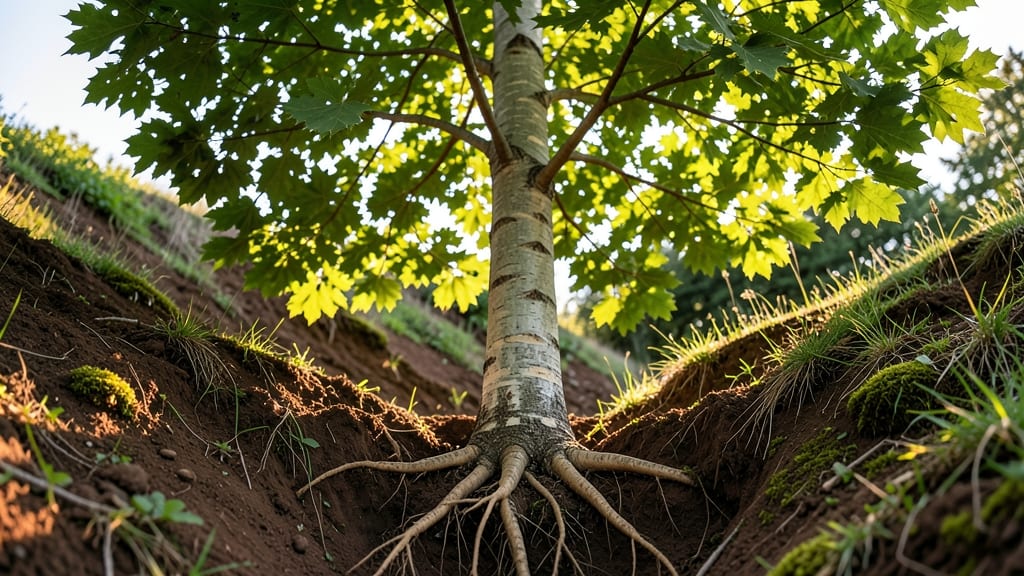
When you need fast erosion control but don’t want to wait decades for mature trees, the silver maple delivers results in record time. This adaptable tree grows 3-5 feet per year, making it perfect for covering disturbed soil before slower-growing species take hold.
Its shallow but expansive root system spreads quickly to bind loose dirt, while its fast growth rate means you’ll see visible stabilization within just a few seasons. Plant it in full sun to partial shade and moist, well-drained soil—it thrives in urban areas, construction sites, or newly graded slopes.
Ideal for landowners or contractors needing temporary erosion control while permanent solutions establish, silver maple also adds seasonal color with its striking green foliage and golden fall leaves. 🌟
Alder Trees for Wetland Stabilization
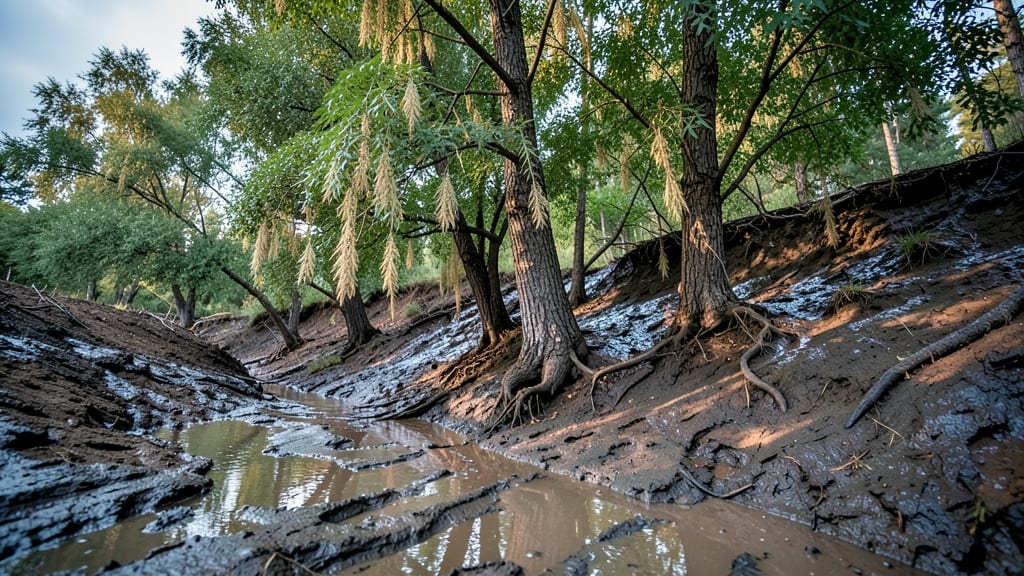
If soggy slopes or waterlogged banks are turning your landscape into a muddy mess, alder trees are the unsung heroes you need. Unlike other trees that struggle in saturated soils, alders thrive in standing water and actively improve the environment by filtering runoff and preventing bank collapse.
Their secret weapon? Nitrogen-fixing roots that create rich, fertile soil while anchoring the slope. Plant them near ponds, streams, or low-lying areas where other trees fail—you’ll see roots spreading within months, transforming unstable ground into a lush, erosion-resistant zone. Alders also support wildlife with their catkins and dense foliage.
Perfect for wetland restoration projects or gardeners with waterlogged areas, these trees offer both ecological and aesthetic benefits. 🌿
Russian Olive for Arid Climates
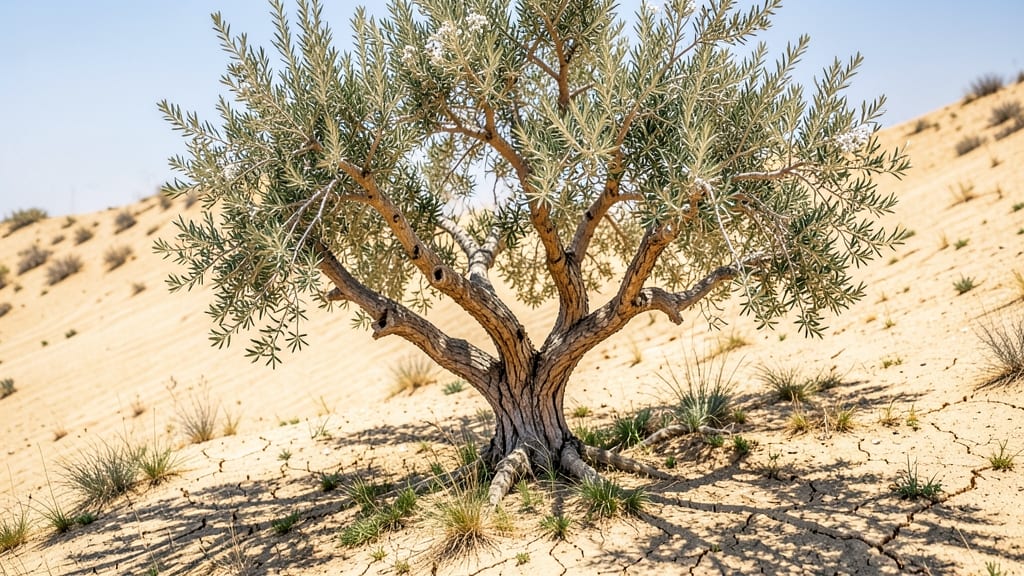
If your landscape battles extreme heat and poor, sandy soil, the Russian olive is your secret weapon. Unlike moisture-loving willows or nitrogen-fixing alders, this hardy tree thrives in desert-like conditions where most plants would struggle—making it ideal for stabilizing arid slopes without extra watering.
Its deep taproots (reaching 10+ feet) anchor loose sand, while the dense, silvery-green canopy blocks wind that would otherwise scatter topsoil. Plant it on south-facing slopes where temperatures soar—it handles 100°F+ heat with ease. Bonus: The spiky seed pods add winter interest, and it’s nearly pest-free. Just avoid planting near water sources, as it’s drought-adapted but not water-tolerant. 💪
Hackberry for Urban Erosion Solutions
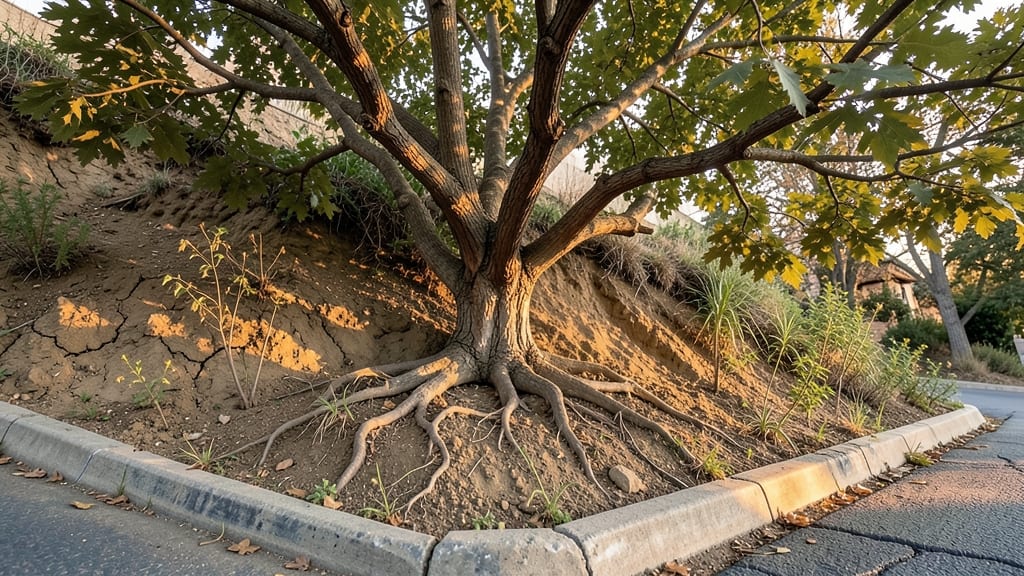
When urban slopes near driveways or construction sites threaten to crumble, hackberry trees step in as the unsung hero. Unlike delicate natives, hackberries thrive in compacted, disturbed soils—the kind found along city sidewalks or after grading projects—while their multi-trunk structure naturally resists wind and water pressure.
Their secret weapon? A far-reaching root system that spreads wider than the canopy, locking soil in place within just 2–3 years. Unlike willows or black locusts, hackberries require no special amendments—they tolerate pollution, salt, and even occasional foot traffic. Plant them in clusters along slopes for a living barrier that doubles as shade, with minimal pruning needed.
City planners and homeowners with tight budgets will love this low-maintenance solution. Hackberries even produce edible berries for wildlife, turning erosion control into a multi-functional urban asset. 💚
Eucalyptus for Coastal Erosion Protection
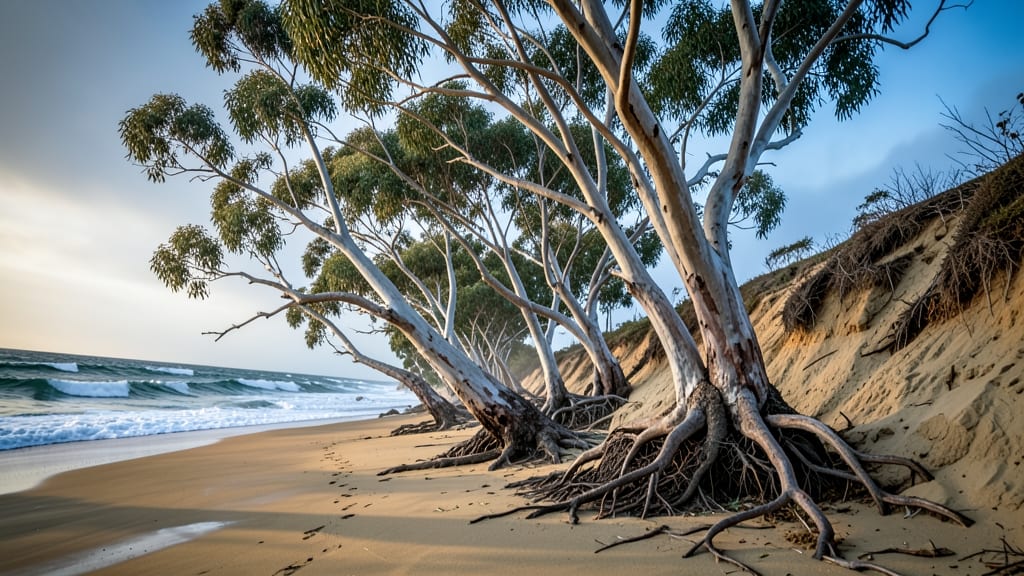
When coastal winds and waves threaten to wash away your sandy shoreline, eucalyptus trees stand as nature’s first line of defense. Their salt-tolerant foliage and wind-resistant structure make them perfect for anchoring dunes and preventing erosion along beaches and cliffs.
These fast-growing giants can shoot up 6 feet per year, creating a dense, stabilizing root system that locks sand in place. Plant them in clusters along the high-tide line for maximum impact, and enjoy their fragrant leaves while they protect your property. Their evergreen nature also provides year-round coverage.
Perfect for coastal gardeners or homeowners near beaches, eucalyptus offers both practical erosion control and stunning landscape value. 🌱
Siberian Peashrub for Cold Climate Slopes
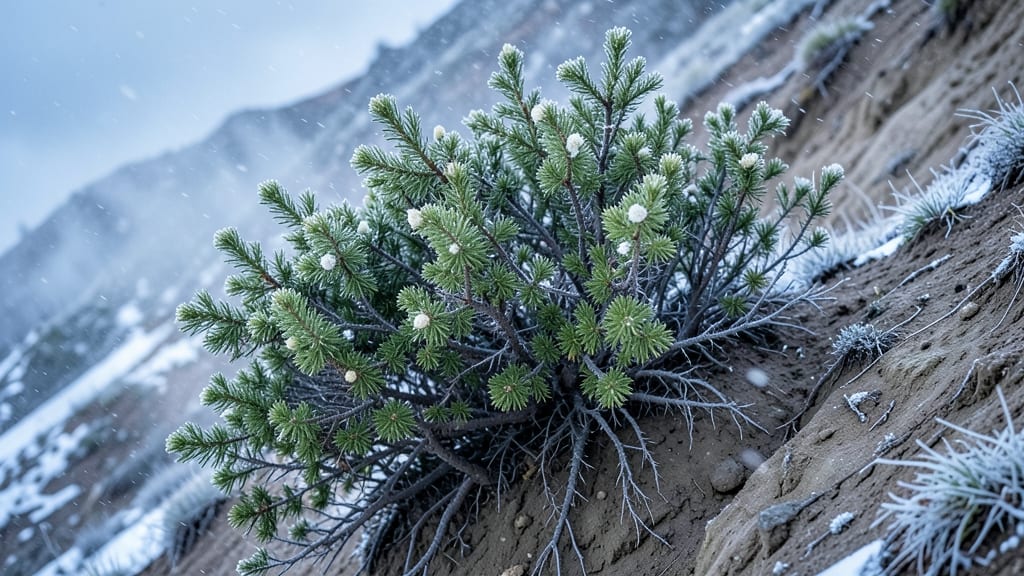
When winter winds and heavy snow threaten to strip away your northern slope’s precious topsoil, the Siberian peashrub steps in as a resilient guardian. Unlike many trees that struggle in USDA zones 3-8, this cold-hardy shrub-like tree thrives where others falter, offering year-round erosion control even under snow.
Its dense, multi-stemmed growth creates a natural barrier against wind and water, while its deep taproots anchor the soil firmly. Plant it on slopes up to 30 degrees—it tolerates poor, rocky soil and drought once established, making it ideal for low-maintenance landscapes. The silvery-blue foliage and spring blooms add beauty while the roots work underground.
Perfect for gardeners in cold climates or those seeking a low-fuss, evergreen solution, this peashrub delivers both function and aesthetic appeal without demanding constant care. 💚
Pine Trees for Long-Term Soil Health

If you're looking for a low-maintenance, long-term solution to soil erosion that also improves your garden's health, pine trees are the unsung heroes you need. Unlike fast-growing species that may require replacement, pines deliver decades of protection while enriching the soil beneath them.
Evergreen varieties like Austrian pine and Mugo pine create a natural barrier against rain and wind, reducing runoff on slopes. Their needle litter acts as a living mulch, gradually breaking down to create a spongy, nutrient-rich topsoil that retains moisture and prevents compaction. Plant them on gentle to moderate slopes where their deep, fibrous roots can tangle into the soil over time.
Perfect for gardeners who want permanent erosion control without constant upkeep, pines also attract wildlife and provide year-round greenery. For the best results, pair them with native ground covers to fill gaps until the trees fully establish. 🌱