
Shrubs
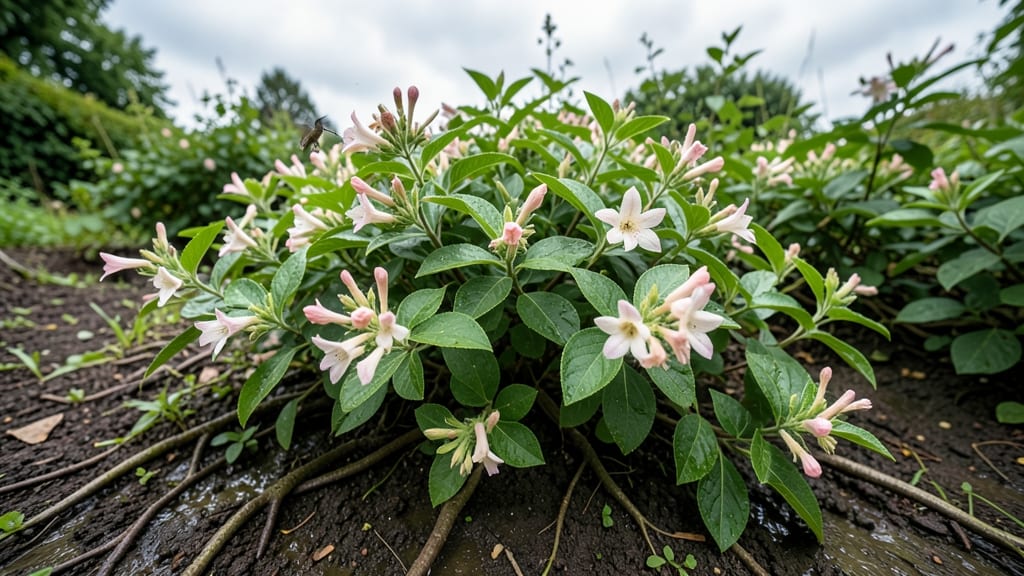
Struggling to keep shrubs alive in soggy soil? These 10 moisture-loving shrubs not only thrive in wet conditions but also add year-round color and texture to your garden—ideal for rain gardens, bogs, or poorly draining areas.
Swamp Azalea Thrives in Boggy Conditions
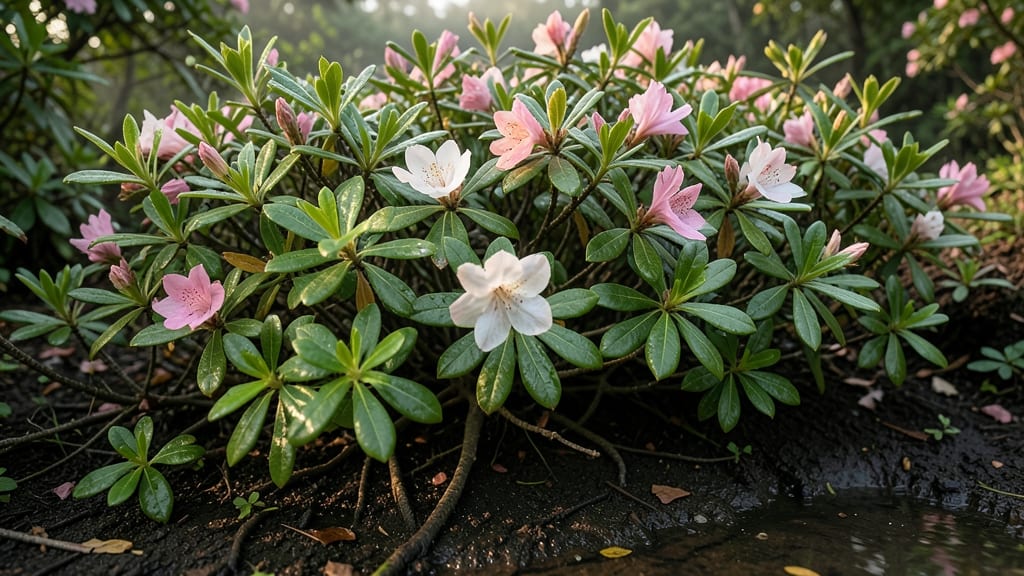
Turn that soggy corner of your garden into a stunning wetland showcase with swamp azalea, a shrub that not only loves waterlogged soil but thrives in it. Unlike many plants that wilt in saturated conditions, this native beauty blooms with vibrant pink or white flowers in spring and keeps its glossy foliage lush year-round.
Perfect for acidic, boggy soils, swamp azalea prefers full sun to partial shade and handles seasonal flooding like a pro. Plant it along pond edges, in rain gardens, or as a focal point in naturalistic wetland designs. Mulch with organic material to maintain soil moisture and acidity, and avoid fertilizers with high nitrogen to prevent leaf burn.
This low-maintenance shrub is ideal for gardeners seeking year-round interest without the fuss of constant care. It’s especially great for those aiming to create a wildlife-friendly habitat or a serene woodland garden. 🌿
Buttonbush Creates Wildlife-Friendly Wetland Havens
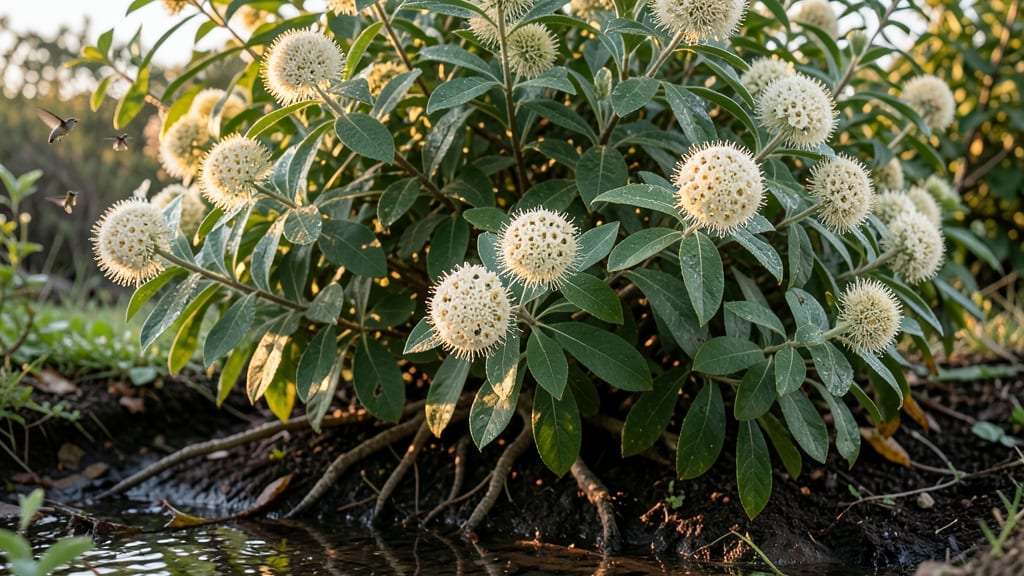
If you want to turn a soggy corner of your garden into a buzzing wildlife magnet, buttonbush is your secret weapon. This native shrub thrives in conditions where most plants would drown, producing unique spherical flowers that hummingbirds, bees, and even goldfinches can't resist.
Unlike delicate wetland plants, buttonbush forms dense, water-resistant thickets that can handle complete submersion for weeks. The fragrant flowers appear in late spring to summer, followed by seed pods that provide food for birds through winter. Plant it in full sun to partial shade along pond edges or rain gardens—it spreads naturally but stays contained in moist soils.
Perfect for eco-conscious gardeners, buttonbush transforms marshy areas into thriving ecosystems while requiring almost no maintenance. 🌿
Sweet Pepperbush Adds Fragrance to Wet Gardens
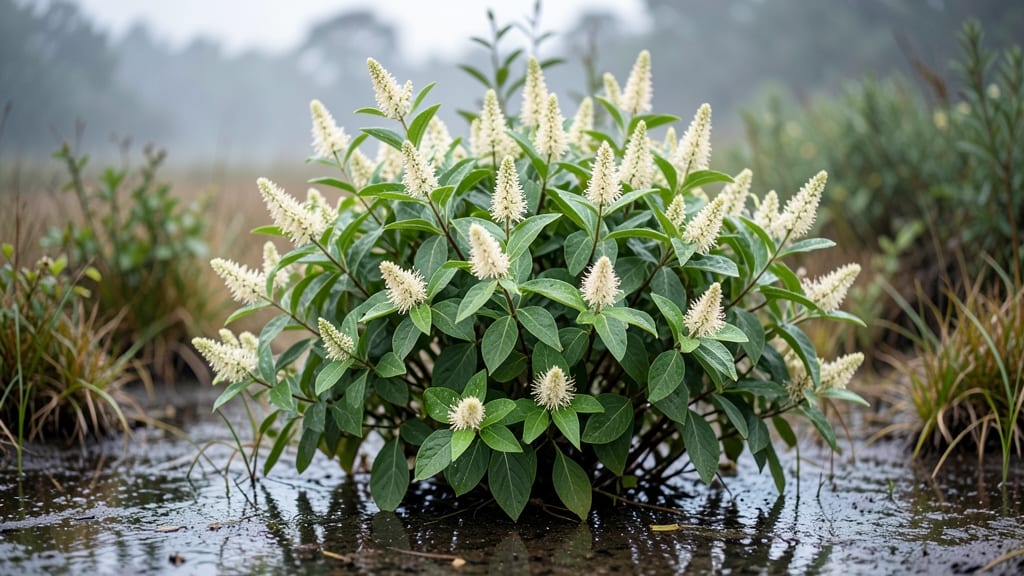
Transform your soggy garden into a fragrant oasis with sweet pepperbush (Clethra alnifolia), a shrub that thrives in standing water while releasing a sweet, spicy scent when its leaves are brushed or bruised. Unlike most wetland plants, this native beauty doubles as a sensory garden star—its clusters of delicate pink flowers also attract hummingbirds from mid to late summer.
Plant sweet pepperbush in full sun to partial shade in moist, acidic soils (ideal pH: 4.5–6.5). It tolerates seasonal flooding and spreads slowly to form a 3–6-foot-tall shrub with arching branches. For best fragrance, incorporate it into pathways or seating areas where you’ll brush against its leaves. Deadhead spent blooms to encourage a second flush of flowers.
Perfect for gardeners who love multi-sensory experiences, sweet pepperbush is especially rewarding in rain gardens or near ponds, where its fragrance mingles with the scent of water. 🌿
Inkberry Holly Provides Evergreen Structure
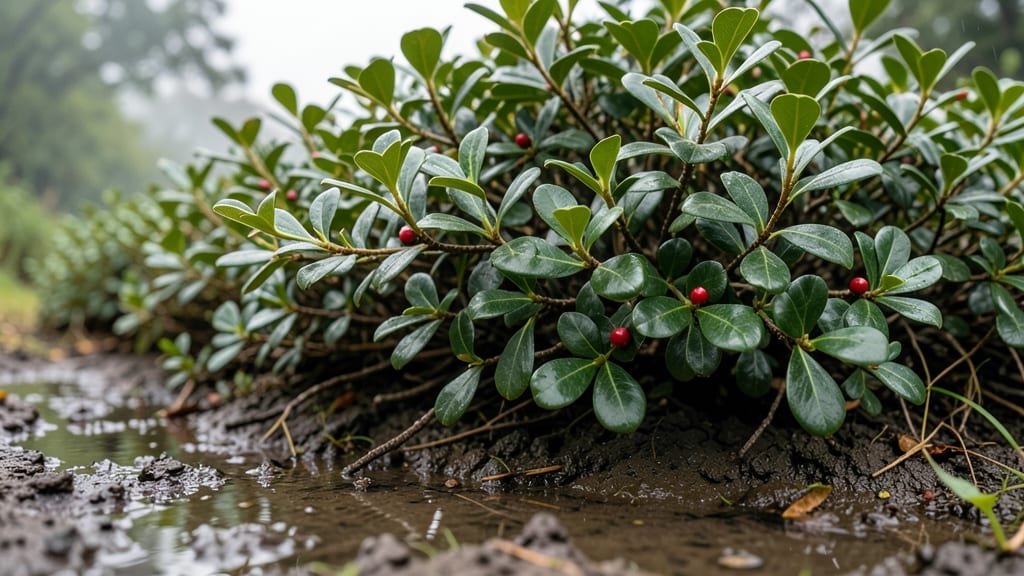
If you're looking for a low-maintenance shrub that thrives in both saturated soils and dry spells, inkberry holly (Ilex glabra) is your answer. Unlike many wetland plants, this evergreen handles seasonal flooding while also tolerating drought once established—making it a standout for unpredictable climates.
Its glossy dark green leaves create a striking contrast in shaded areas, and as winter arrives, they deepen to a rich purple-black, adding drama to your garden even when other plants fade. This adaptable shrub grows 3–6 feet tall and thrives in partial shade to full sun, perfect for rain gardens, woodland edges, or as a privacy screen near boggy spots.
Gardeners with shady, wet corners will love inkberry holly—it’s deer-resistant, pest-free, and provides year-round structure without needing constant care. 💚
Marsh Marigold Brightens Early Spring
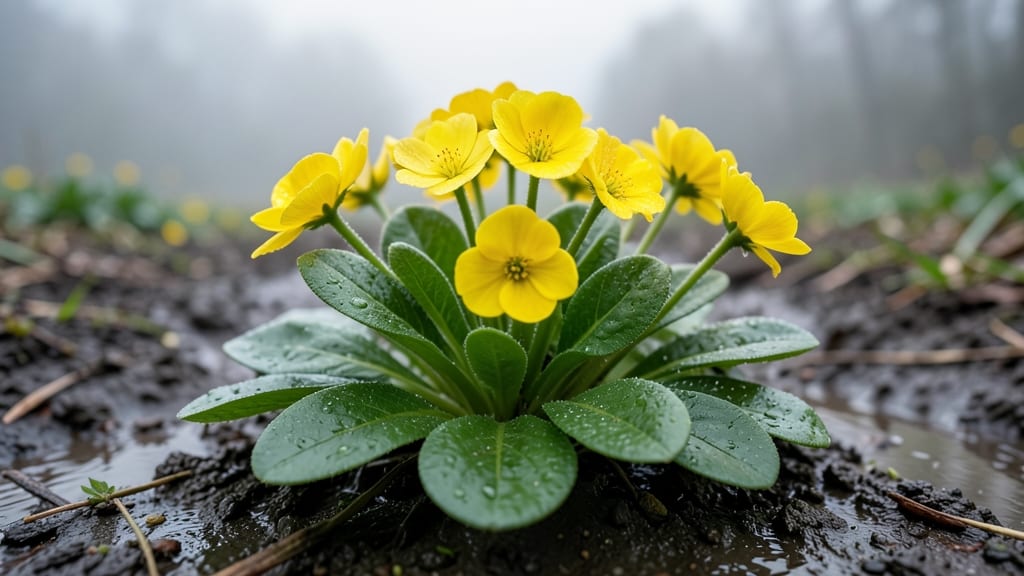
When your garden feels like it’s still hibernating in late winter, marsh marigold (Caltha palustris) bursts onto the scene with its cheerful golden-yellow blooms. This hardy perennial is one of the first shrubs to emerge in wet soils, often appearing as early as February in mild climates, making it a standout for early-season color.
Perfect for full sun to partial shade, marsh marigold thrives along pond edges, rain gardens, or any area where water collects. Its glossy, heart-shaped leaves stay vibrant even when submerged, while the flowers—ranging from 1 to 2 inches wide—attract early pollinators like bees. Deadhead spent blooms to encourage more flowers, and this plant will reward you with months of color before fading into summer.
Ideal for beginners or gardeners with soggy spots, marsh marigold is low-maintenance and spreads gently to fill in wet areas naturally. Plant it as a focal point near water features for a fresh, lively touch. 🌟
Ninebark Handles Seasonal Flooding Gracefully
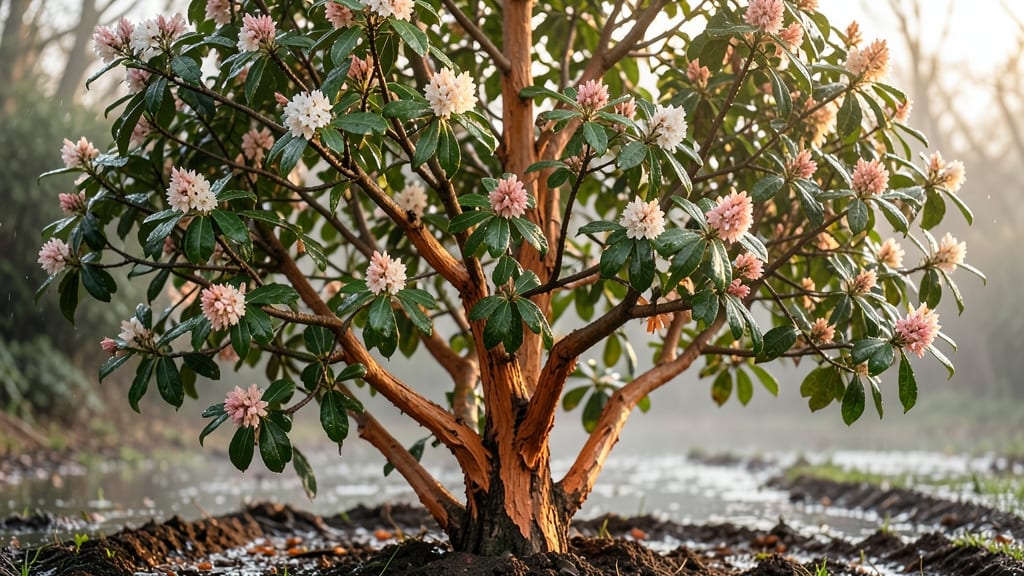
Tired of shrubs that wilt at the first sign of soggy soil? Ninebark (Physocarpus) is the unsung hero of adaptable shrubs, thriving in both seasonal flooding and dry spells—no fuss, just resilience.
Its peeling cinnamon-colored bark adds striking winter texture, while white or pink flower clusters bloom from late spring to summer, attracting pollinators. Plant it in full sun to partial shade for best results, and watch it bounce back from even temporary waterlogging. Prune lightly after flowering to maintain shape and encourage dense growth.
Perfect for urban gardens with unpredictable drainage or rural sites prone to spring floods, ninebark delivers year-round interest with minimal maintenance. 🌻
Cinnamon Fern Adds Texture to Bog Gardens
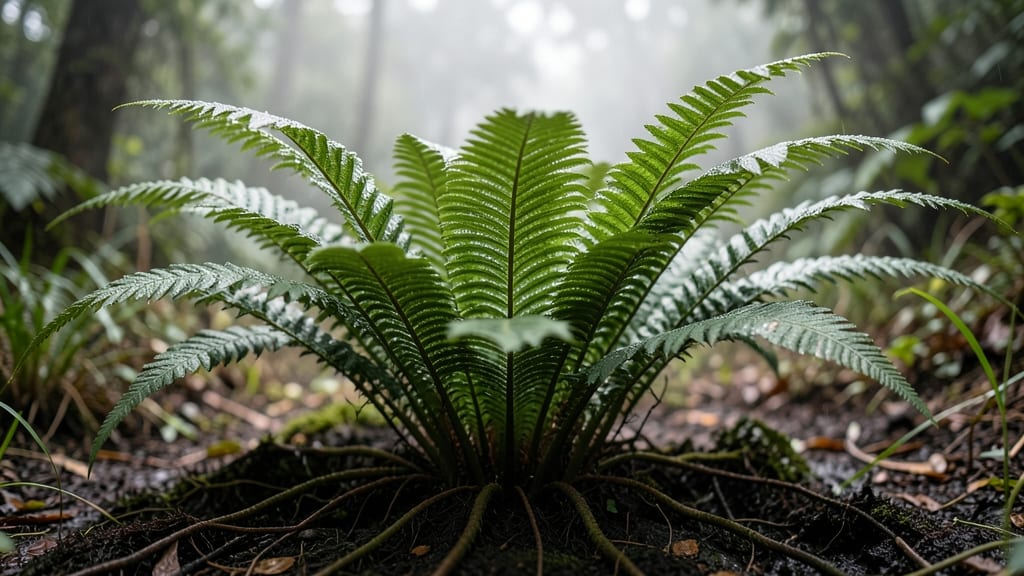
Skip the flowers—cinnamon fern delivers drama with its feathery, architectural fronds that sway like tropical palm leaves. This non-flowering superstar thrives in permanently soggy soils, making it the perfect partner for rain gardens, pond edges, or boggy corners where other plants flounder.
Its golden cinnamon-colored stems add warmth to shady spots, while the lush, evergreen fronds create a textured backdrop for blooming shrubs like sweet pepperbush or marsh marigold. Plant in full to partial shade and let it spread naturally—no pruning required unless you want to control its graceful, 3-4 foot height.
Ideal for gardeners who love low-maintenance structure, cinnamon fern brings a jungle-like vibe without the upkeep. Pair it with moisture-loving shrubs for a layered, evergreen wetland oasis. 🌿
Spirea Blooms Repeatedly in Moisture
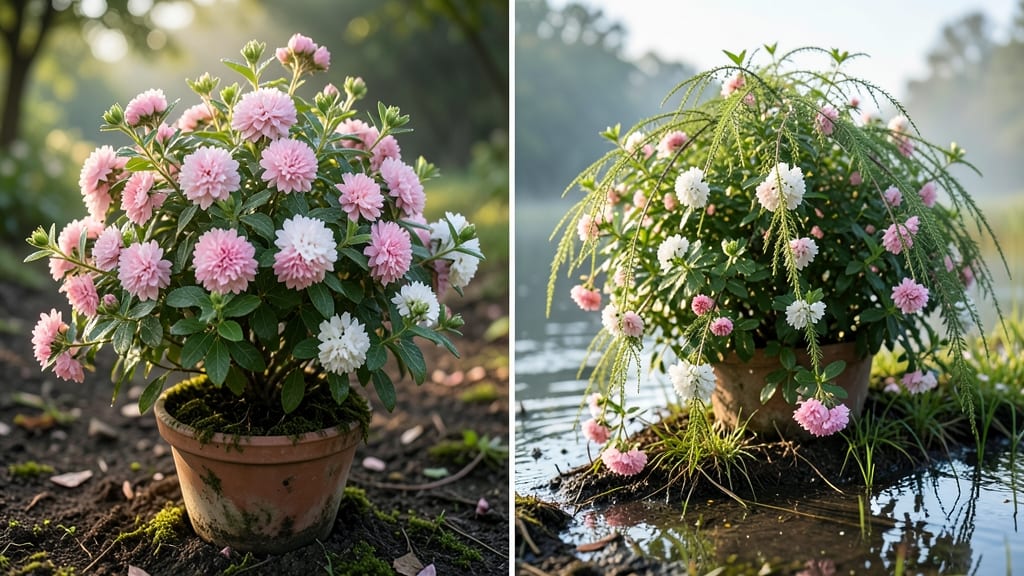
Want a shrub that blooms nonstop from spring to fall—without fussing over soil moisture? Spirea delivers cascades of pink or white flowers while handling both soggy and dry conditions, making it the ultimate low-maintenance star for wetland borders or containers.
This versatile shrub thrives in full sun to partial shade and tolerates seasonal flooding, yet won’t sulk if you forget to water. Prune lightly after blooming to encourage denser growth, and watch it reward you with continuous color that butterflies adore. Varieties like ‘Goldflame’ add golden foliage for extra drama.
Perfect for urban gardeners with limited space or rain garden designers, spirea’s adaptability means you can tuck it into borders, containers, or even alongside ponds—no special soil prep required. 🌻
Willow Oak Shrub Offers Year-Round Interest
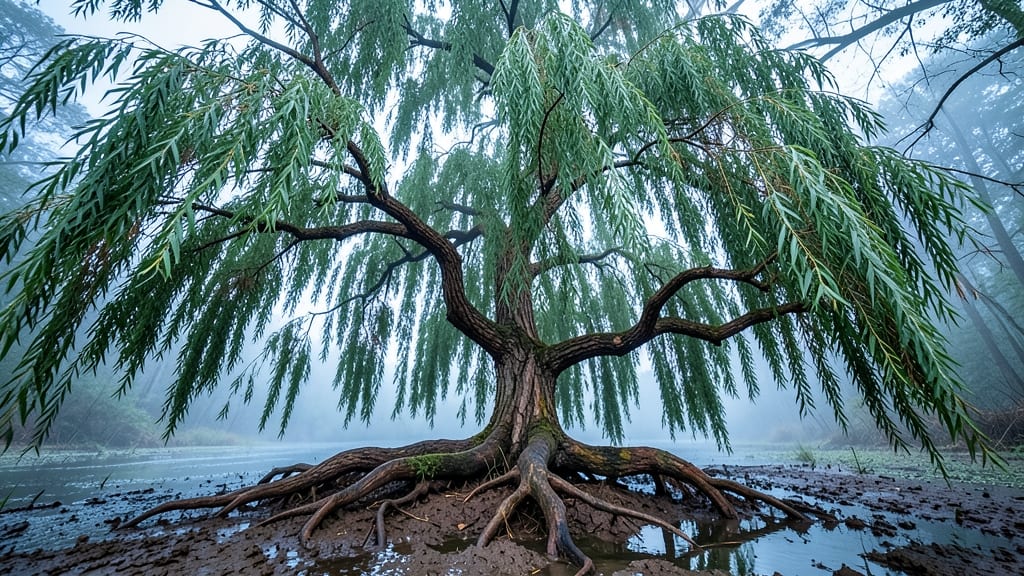
If you’re designing a wetland landscape that needs both drama and durability, the willow oak shrub (Quercus phellos) is your secret weapon. This underrated shrub combines the grace of weeping willow foliage with the hardiness of an oak, making it perfect for soggy soils where other plants struggle.
Its long, arching leaves resemble willow branches but turn a stunning golden hue in fall, extending seasonal interest long after most shrubs have faded. Unlike many wetland plants, it also provides light shade (up to 20 feet wide at maturity) and a sturdy structure for informal hedges or woodland edges. Plant it in full sun to partial shade—it handles saturated soils and even seasonal flooding without complaint.
Ideal for gardeners who want low-maintenance beauty in challenging spots, this shrub thrives in USDA zones 5-9 and pairs beautifully with buttonbush or sweet pepperbush for layered wetland gardens. 🌻
Tatarian Honeysuckle Attracts Pollinators

Transform soggy corners of your garden into a pollinator paradise with Tatarian honeysuckle—a fast-growing shrub that thrives in moist, well-drained soils while drawing hummingbirds and bees with its fragrant, tubular flowers. Unlike other wetland shrubs, this vigorous climber or shrub form spreads quickly, creating a lush, fragrant hedge perfect for stream banks or rain gardens.
Plant in full sun to partial shade where soils stay consistently moist but not waterlogged. The pink blooms appear in late spring to summer, providing nectar for pollinators while the glossy foliage adds year-round greenery. Prune lightly after flowering to maintain shape—this shrub rewards patience with minimal effort and maximum wildlife benefits.
Ideal for gardeners who want low-maintenance beauty with a high impact on local ecosystems, Tatarian honeysuckle is especially valuable in urban areas where pollinator habitats are scarce. 🌻