
How To
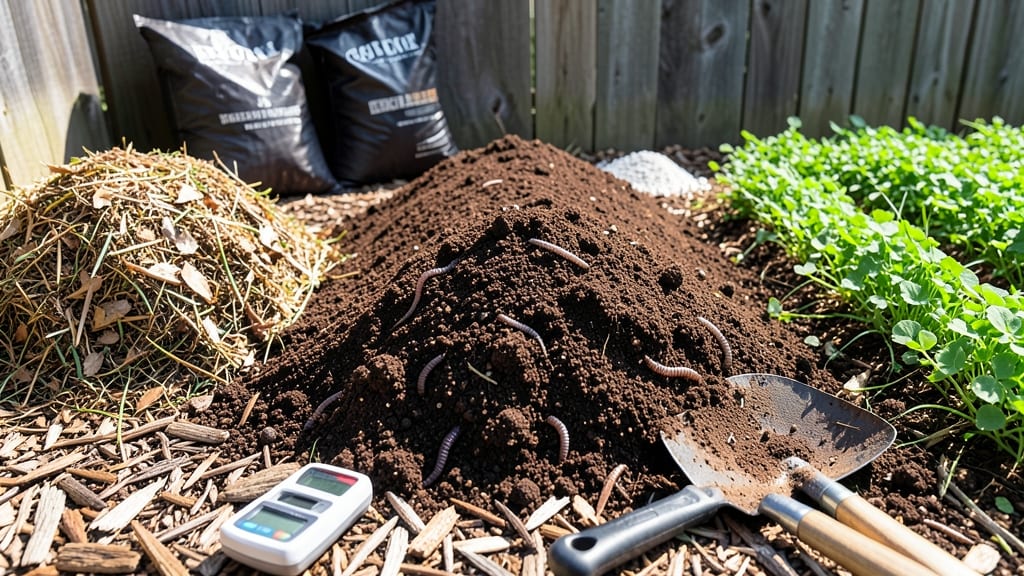
Soil builder improves soil health by adding organic or inorganic materials that break down into nutrient-rich humus, boosting fertility, structure, and microbial activity for stronger plant growth. Popular options include compost, aged manure, peat moss, and worm castings.
Soil builder works by feeding the tiny organisms in your soil—think bacteria, fungi, and earthworms—that naturally decompose organic matter into humus, the golden elixir of plant nutrition. 🌱 This process isn't just about adding food for your plants; it's about creating a sponge-like structure that holds moisture and nutrients while improving drainage.
I've seen gardens transform from hard, compacted dirt to fluffy, fertile beds just by incorporating a few inches of compost annually. The magic happens when these materials break down slowly, releasing nutrients over time rather than all at once.
For gardeners working with different soil types, the right soil builder makes all the difference.
Sandy soils benefit most from organic matter like leaf mold or compost, which helps retain water and nutrients, while clay-heavy soils often need coarse materials like biochar to improve aeration. 💛 The key is matching your soil's needs with the right amendment—whether you're building a raised bed or amending an in-ground plot.
💡 In This Article
- How Soil Builder Enhances Soil Health Through Organic Decomposition
- Best Organic Soil Builders for Different Garden Types
How soil builder enhances soil health through organic decomposition
Soil builders work by kickstarting a biological cascade where microorganisms—like bacteria, fungi, and protozoa—break down organic materials through a process called decomposition. These tiny workers secrete enzymes that chop complex organic compounds (like cellulose and lignin) into simpler nutrients plants can absorb.
For example, composting cow manure can raise soil microbial populations by 20-30% within weeks, creating a thriving ecosystem that outcompetes harmful pathogens. 🔥 The end product, humus, has a sponge-like structure that holds 3-5 times its weight in water while slowly releasing nutrients.
The real magic happens in the soil's cation exchange capacity (CEC), which measures how well soil holds essential nutrients like nitrogen, potassium, and calcium. Organic matter boosts CEC by adding negatively charged particles that attract and retain positively charged mineral ions.
A soil with 5% organic matter can hold 10,000-20,000 pounds of nutrients per acre—enough to feed crops for seasons. This is why gardeners notice plants growing stronger with less frequent fertilizing once they've amended their soil properly.
Not all organic materials decompose at the same rate, which affects how quickly they improve soil. Fast-decomposing materials like fresh grass clippings or fruit scraps release nutrients rapidly but may also attract pests or create anaerobic (oxygen-poor) zones.
Slower-decomposing materials like hardwood chips or aged compost provide long-term benefits by feeding soil life gradually. 💛 The ideal balance is a mix of both—think of it like a slow-release fertilizer for your soil's ecosystem.
Water retention is another critical benefit. Sandy soils, which drain like a sieve, can see water-holding capacity improve by 50% after adding just 2-3 inches of compost. The organic matter creates tiny pores that trap moisture while allowing excess to drain, preventing both drought stress and root rot.
In clay soils, which become waterlogged, soil builders add air pockets that improve oxygen flow to roots—critical for plants like tomatoes that need well-aerated soil to thrive.
What most gardeners don't realize is that soil builders also stimulate earthworm activity. A single pound of worm castings can contain up to 10,000 bacteria species and 10 times more nutrients than the original organic matter.
These castings create aggregates—little soil clumps—that improve structure. 🌱 For example, adding 1-2 inches of compost to a vegetable garden can increase earthworm populations by 300% within a growing season, leading to deeper root penetration and higher yields.
For those who want to see immediate results, consider biochar—a charcoal-like substance made from heated organic waste. While not organic itself, biochar has a honeycomb structure that holds nutrients and water while providing long-term carbon storage.
When mixed with compost, it creates a powerhouse soil blend that can improve plant growth by 20-50% in just one season. The key is matching your soil builder to your specific needs: fast nutrients for seedlings, slow-release for perennials, or structural improvement for compacted soil.