
How To
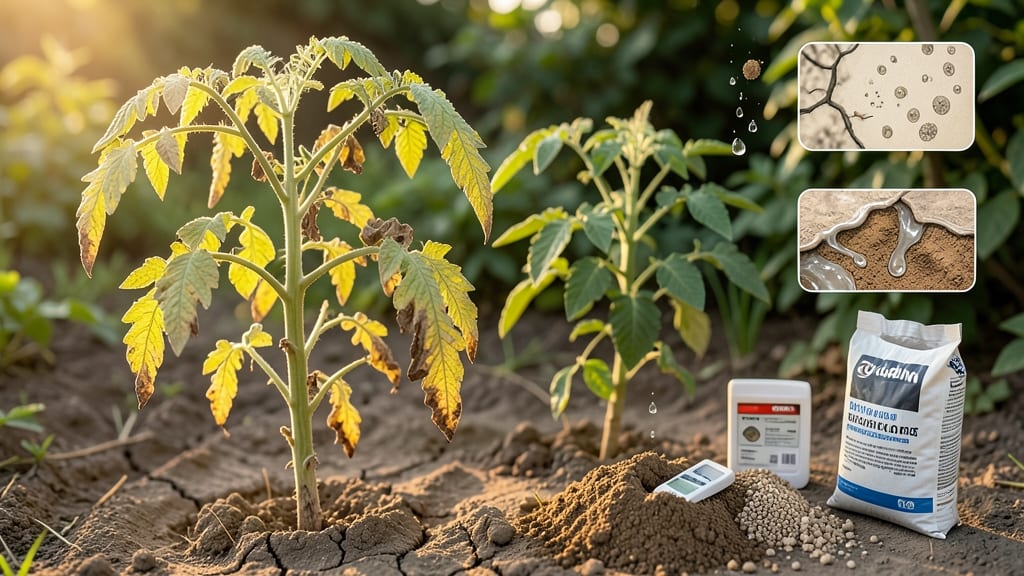
Soil infertility means your garden soil lacks vital nutrients, has poor structure, or contains chemical imbalances that prevent plants from growing properly, even when they get enough water and sunlight. This usually happens from over-farming, pollution, or incorrect acidity levels, which slow down plant growth and cut harvest sizes.
Soil infertility isn't just about plants looking unhealthy—it's often invisible until you see yellowing leaves, stunted roots, or crops that just won't mature. 🌱 The biggest culprits are missing nutrients like nitrogen (for leaf growth) or phosphorus (for root development), plus pH levels that either lock out nutrients or make them toxic.
For example, blueberries need acidic soil (pH 4.5-5.5), while most vegetables thrive in slightly alkaline conditions (pH 6.0-7.0). Testing your soil with a simple home kit can reveal exactly what's missing before you start fixing it.
Once you know the problem, the fix depends on what's wrong. Adding compost boosts organic matter, while specific amendments like bone meal (for phosphorus) or wood ash (to raise pH) target exact deficiencies.
Crop rotation also helps by breaking pest and disease cycles while naturally replenishing nutrients. The key is patience—restoring soil health takes time, but the payoff is healthier plants and bigger yields.
💡 In This Article
- Key Signs of Infertile Soil in Gardens
- Testing and Fixing Infertile Garden Soil
Key signs of infertile soil in gardens
Infertile soil often reveals itself through subtle but telling visual cues that experienced gardeners learn to spot quickly.
One of the first signs is unusual leaf coloration—think pale yellow leaves (chlorosis) indicating nitrogen deficiency or deep purple stems signaling phosphorus starvation. 🌿 These deficiencies occur because plants can't access essential nutrients locked in the soil, even when moisture and sunlight are perfect.
For instance, nitrogen-deficient plants may show older leaves yellowing first, while phosphorus issues often appear as stunted growth with dark green leaves.
The texture of your soil can also reveal hidden problems. Healthy soil should crumble easily when moist but hold its shape when dry, with a slightly spongy feel. Infertile soil might feel clay-heavy and compacted (poor drainage, root suffocation) or sandy and gritty (nutrients wash away too quickly).
Take a handful of damp soil and squeeze it—if it forms a hard clod that cracks when dry, you've got structural issues. Root systems in infertile soil often appear shallow and sparse, with fewer secondary roots branching out to seek nutrients.
Another red flag is plant disease susceptibility. Infertile soil weakens plants, making them more vulnerable to pests and pathogens.
For example, tomatoes in nitrogen-poor soil may develop weak stems that snap easily under fruit weight, while peppers might show blossom end rot from calcium deficiency. 🍅 The key is observing patterns—if multiple plants in the same area show similar symptoms, soil infertility is likely the culprit rather than individual plant issues.
pH levels play a critical role in nutrient availability. Most vegetables prefer a neutral pH (6.0-7.0), but some plants like blueberries thrive in acidic conditions (pH 4.5-5.5).
Test your soil's pH using a simple kit—if it's off by more than 1 point from your plants' ideal range, nutrients become inaccessible. For example, at pH 8.0, iron becomes locked in the soil, causing yellowing between leaf veins even when iron is present.
One often-overlooked sign is slow or uneven germination. Seeds may sprout weakly or take much longer to emerge because the soil lacks the microbial activity needed to break down organic matter.
Healthy soil teems with beneficial bacteria and fungi that help roots absorb nutrients—when these populations decline, plant growth suffers from the start. 🌱 Pay attention to how quickly weeds grow in your garden; if they thrive while your crops struggle, your soil likely lacks the right balance of nutrients.
For a quick at-home test, perform the squeeze test: Take a moist soil sample and press it gently. If it stays in a tight ball, it's too clay-heavy. If it falls apart completely, it's too sandy.
The ideal soil should hold its shape when squeezed but break apart easily when touched. This simple test gives you immediate feedback about your soil's structural health before you invest in amendments.