
How To
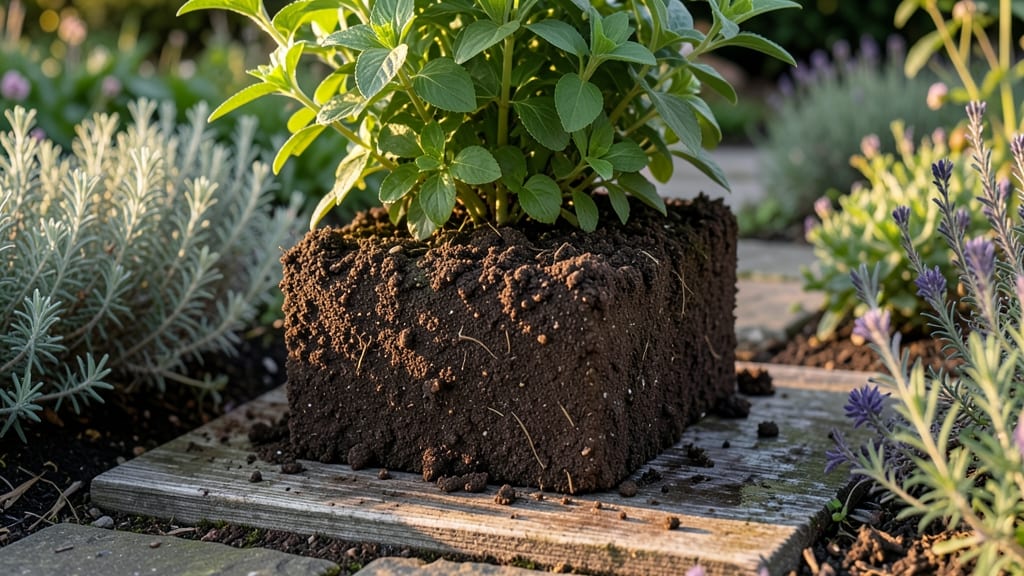
Understanding the weight of 2 cubic feet of soil reveals a range of 60 to 120 pounds, heavily influenced by moisture and soil composition—sandy soil typically weighs around 60 pounds, while clay-heavy soil can surpass 120 pounds when fully saturated. Dry loam usually falls between 75 and 90 pounds per 2 cu ft.
Soil weight isn't just about volume—it's a game of density and saturation. 🌱 The difference between dry and wet soil can be dramatic: a 2 cu ft bag of sandy soil might weigh just 60 pounds when dry, but after a heavy rain, that same volume could balloon to over 90 pounds due to absorbed water.
Clay soils pack even tighter, which is why they often exceed 120 pounds when saturated. For gardeners planning raised beds or containers, this means your project's stability depends on both soil type and recent weather patterns.
Here's the kicker: moisture isn't the only factor. Organic matter and compaction play roles too. A well-composted loam might weigh slightly less than pure clay but still carry more nutrients.
I always recommend testing soil moisture before major projects—just squeeze a handful. If water drips out, you're dealing with saturated weight, which can stress wooden frames or require heavier supports.
💡 In This Article
- How Moisture and Soil Composition Affect Weight
- Practical Calculations for Gardening Projects
How moisture and soil composition affect weight
Soil weight varies dramatically because of its internal structure—think of it like a sponge. Sandy soils have large particles with lots of air pockets, giving them a loose, lightweight structure. A 2 cu ft bag of dry sand weighs about 60-70 pounds because those gaps between grains reduce overall density.
In contrast, clay soils have tiny, tightly packed particles with minimal air space, which is why they can weigh 120 pounds or more when saturated. The key difference? Clay holds 4-5 times more water by volume than sand due to electrostatic attraction between particles and water molecules.
The moisture factor is where things get interesting. Water weighs 8.34 pounds per gallon, and soil can absorb anywhere from 10-50% of its dry weight in water.
A 2 cu ft bag of clay soil might weigh 100 pounds dry but swell to 140 pounds when fully saturated—adding 40 pounds of water to that same volume.
This is why gardeners often see raised beds sag after heavy rains: the soil's weight increases while the structure remains the same. 💧 Even loam (the balanced mix of sand, silt, and clay) shows this effect, typically gaining 20-30 pounds when moving from dry to saturated states.
Organic matter adds another layer of complexity. Compost-amended soils might weigh slightly less than pure mineral soils because organic particles are less dense, but they hold more water.
A 2 cu ft mix with 20% compost could weigh 85 pounds dry but absorb 35% more water than sandy soil—meaning your saturated weight jumps to 115 pounds. This is why gardeners often use 50/50 potting mixes in containers: the organic component reduces overall weight while improving water retention.
Here's a visual comparison to drive the point home:
- Dry sand: 60 lbs (large particles, high porosity)
- Saturated sand: 75 lbs (+15 lbs water)
- Dry clay: 100 lbs (tiny particles, low porosity)
- Saturated clay: 140 lbs (+40 lbs water)
- Dry loam: 85 lbs (balanced composition)
- Saturated loam: 110 lbs (+25 lbs water)
The science behind this lies in specific gravity—the ratio of soil weight to water weight. Clay minerals have a specific gravity of 2.6-2.8, while organic matter sits around 1.2-1.5.
When you add water, you're not just increasing volume—you're changing the entire structural integrity of the soil, which is why heavy clay soils can become nearly impermeable when wet. This is critical knowledge for anyone building raised beds or choosing containers.
What most people overlook is how compaction plays into this equation.
A shovel of freshly tilled soil might weigh 50 pounds in a 2 cu ft volume, but after being walked on or driven over, that same volume could compress to 70 pounds—losing air space and increasing density without adding water.
This is why professional landscapers always specify "loose fill" for projects where weight matters. 💡