
How To
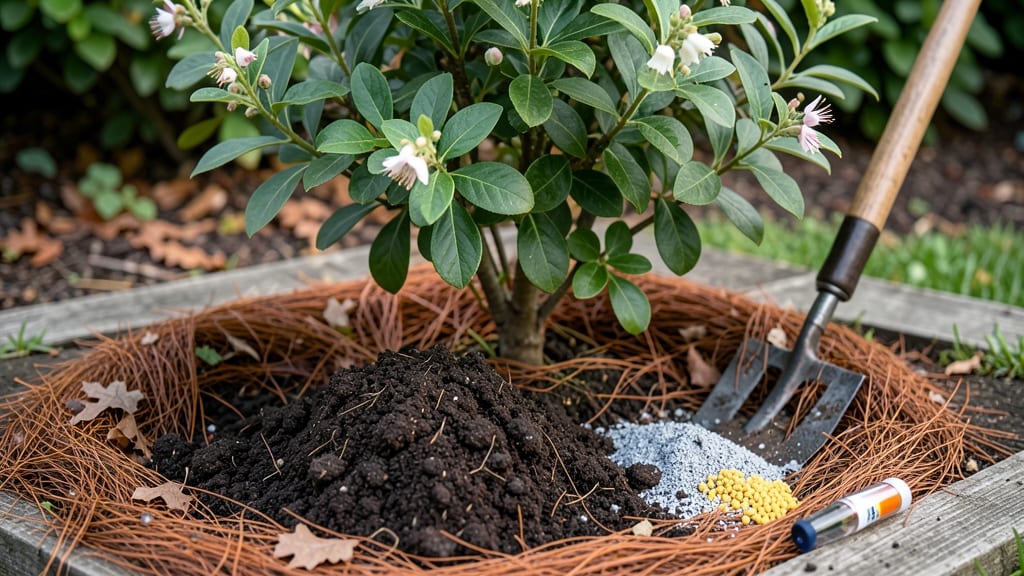
To acidify soil organically, use natural amendments like pine needles, coffee grounds, or sulfur-based compost to lower pH gradually. Peat moss and composted leaves also work well, while avoiding synthetic fertilizers that disrupt microbial balance.
Organic soil acidification works by introducing materials that release hydrogen ions over time, gradually shifting your soil's pH toward the acidic range. 🌱 Pine needles, for example, contain natural tannins that break down slowly, while sulfur oxidizes into sulfuric acid when exposed to moisture.
The key is patience—these methods don't change pH overnight but create long-term balance without harming beneficial soil microbes. I've found sulfur-based compost particularly effective for garden beds, but always test your soil first to avoid over-acidification.
For best results, focus on materials that match your soil type. Sandy soils respond quickly to sulfur applications, while clay soils benefit more from organic matter like coffee grounds or pine fines. Mix thoroughly into the top 6 inches of soil and water lightly to activate the acidifying process.
The goal is consistency—small, regular adjustments work better than drastic changes that shock plant roots.
One common mistake is assuming all organic amendments work the same way. Coffee grounds, for instance, are acidic when fresh but neutralize over time, making them ideal for occasional use rather than long-term acidification.
Always pair your acidifiers with a soil pH test kit to monitor progress and avoid creating conditions that harm acid-sensitive plants like hydrangeas or blueberries.
💡 In This Article
- How Organic Amendments Lower Soil pH Naturally
- Top 5 Organic Soil Acidifiers: Effectiveness & Application Guide
How organic amendments lower soil pH naturally
The magic happens through microbial activity and chemical reactions. When you add organic materials like pine needles or coffee grounds, soil microbes begin breaking them down through decomposition. This process releases organic acids (such as acetic and citric acids) that naturally lower pH by increasing hydrogen ion concentration.
For example, pine needles contain tannins that slowly dissolve in soil moisture, creating a mild acidic environment perfect for plants like azaleas or blueberries. 🌿
Sulfur takes a different path—it oxidizes into sulfuric acid when exposed to water and soil microbes. This chemical reaction is what gives sulfur its fast-acting reputation, especially in sandy soils where drainage allows quick activation.
A general rule is 1 pound of elemental sulfur per 100 square feet can lower pH by about 1.0 unit over 2-3 months, though results vary based on soil moisture and microbial activity.
The key difference between organic and inorganic sulfur is that organic sources release acid more gradually, protecting beneficial microbes from sudden pH shocks.
Timing matters because these processes aren't instantaneous. Organic amendments work best when tilled into the top 6-8 inches of soil during planting or early spring. The decomposition rate accelerates in warm, moist conditions, which is why tropical plants often thrive in areas where organic acidifiers are used regularly.
For instance, peat moss—though controversial due to sustainability concerns—holds water and slowly releases hydrogen ions as it breaks down, making it ideal for container gardens where soil volume is limited.
One critical factor is the soil's buffering capacity. Clay soils resist pH changes more than sandy soils because their tiny particles hold onto nutrients and ions tightly. This means you'll need 2-3 times more organic matter in clay to achieve the same pH shift.
Testing your soil's current pH before applying amendments helps avoid over-acidification, which can harm plants like potatoes or beans that prefer slightly alkaline conditions. The goal is a gradual shift—typically 0.5 pH units per season—to maintain microbial balance while supporting acid-loving plants.
What most gardeners overlook is how these amendments interact with existing soil chemistry. For example, adding coffee grounds to alkaline soil might seem logical, but their nitrogen content can initially spike microbial activity, temporarily raising pH before decomposition lowers it.
This is why pairing organic acidifiers with a balanced compost (containing phosphorus and potassium) helps stabilize the soil ecosystem during the transition. The result is a healthier root zone where acid-loving plants can thrive without nutrient deficiencies.
Think of organic acidifiers as slow-release pH adjusters. Unlike synthetic fertilizers that create immediate chemical reactions, natural materials work with your soil's biology.
This is why sulfur-based compost (made from decomposed plant matter mixed with elemental sulfur) is often the gold standard—it combines the gradual release of organic acids with the microbial benefits of compost. The trade-off? It takes patience, but the long-term rewards for plant health and soil structure are undeniable. 🌱