
Neem Oil
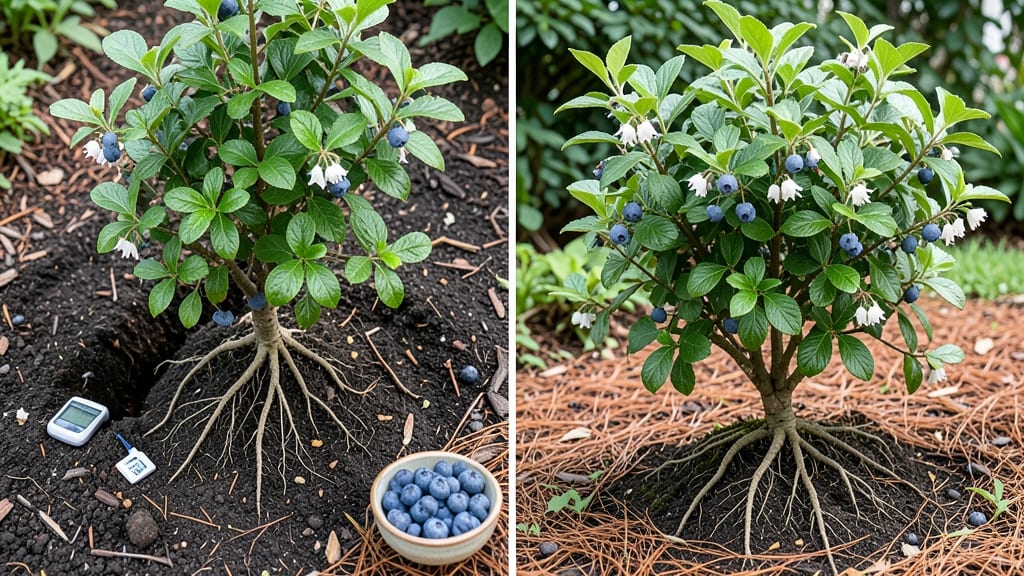
Growing juicy, abundant blueberries starts with understanding the blueberry soil needs—one that’s acidic, well-draining, and packed with organic matter 🫐.
Struggling to grow blueberries? The secret isn’t just in the bushes—it’s buried in the soil. Without the right conditions, your plants may produce small, tart berries or even fail to thrive. But get it right, and you’ll unlock bigger, sweeter harvests every season.
Blueberries demand a pH between 4.5 and 5.5, which mimics their natural bog habitats. Too alkaline, and nutrients like iron and manganese become locked away, leaving your plants yellow and stunted.
Too acidic, and you risk damaging roots. The key? A balanced mix of peat moss, pine bark, and compost—plus a few clever amendments to keep the pH just right.
In this guide, I’ll break down how to test your soil, the best organic blends for maximum yield, and the three mistakes that kill blueberry bushes faster than you’d think.
By the end, you’ll know exactly how to create the perfect acidic haven for your plants—so you can enjoy a bountiful harvest from June to August.
Why blueberry soil must be acidic: pH levels that boost berry growth
If your blueberry bushes 🫐 aren’t producing the sweet, plump berries you crave, the problem might start below the soil surface. Blueberries are acid-loving plants, and their soil pH needs to be between 4.5 and 5.5 for optimal growth.
This isn’t just a preference—it’s a biological necessity that directly impacts nutrient uptake, disease resistance, and fruit size.
When soil pH strays from this acidic range, blueberries struggle to absorb essential nutrients like iron and manganese, leading to stunted growth and poor berry development. A pH above 6.0 can cause chlorosis (yellowing leaves), while a pH below 4.0 makes nutrients toxic.
The key? Maintaining that 4.5–5.5 pH range unlocks your blueberries’ full potential.
A well-balanced acidic soil mix ensures your blueberries thrive year after year. Without it, even the healthiest-looking plants may fail to produce fruit. Let’s dive into why pH matters and how to test and adjust your soil for the best results.
| Soil Requirement | Ideal Specification | Why It Matters |
|---|---|---|
| pH Level | 4.5–5.5 | Maximizes iron and manganese uptake; prevents chlorosis |
| Organic Matter | 30–50% | Improves moisture retention and microbial activity |
| Drainage | Well-draining | Prevents root rot and ensures oxygen reaches roots |
| Acidifying Agents | Peat moss, pine bark fines, sulfur | Lowers pH naturally over time |
| Nutrient Availability | High in iron, manganese, zinc | Supports leaf and fruit development |
Testing your soil’s pH is the first step to unlocking your blueberries’ full potential. You can use a soil pH test kit (available at garden centers) or send a sample to a local extension office for professional analysis.
For a quick at-home test, mix a spoonful of soil with distilled water and use pH strips to check the liquid’s acidity.
If your soil tests too alkaline (pH above 5.5), you’ll need to lower the pH using organic amendments like peat moss, pine needles, or sulfur. These materials gradually acidify the soil over time.
For example, mixing in 2–3 inches of peat moss into the top 12 inches of soil can lower pH by 1–2 points in a season.
On the flip side, if your soil is too acidic (pH below 4.5), you can raise it slightly by adding lime or wood ash, but be cautious—blueberries are sensitive, and even small increases in pH can harm them.
Always make adjustments gradually and retest your soil every few months to monitor changes.
Once your soil pH is in the ideal range, your blueberries will start absorbing nutrients more efficiently. This means larger berries, thicker canes, and fewer diseases.
For instance, iron deficiency (common in alkaline soils) causes yellow leaves with green veins, but in acidic soil, your plants will stay lush and green, producing juicy, flavorful berries instead of small, tart ones.
Remember, blueberries are heavy feeders, especially during fruiting season. Pairing the right pH with a balanced fertilizer (like a 10-10-10 acid-loving plant food) will give your bushes the boost they need. Apply fertilizer in early spring and again after harvest to support new growth and fruit development.
Don’t overlook the role of mulch either. A 2–3 inch layer of pine bark fines or pine needles around your blueberry bushes helps maintain soil acidity, retain moisture, and suppress weeds. This simple step can make a world of difference in your berry yield.
With the right soil pH, your blueberry bushes will reward you with abundant, sweet berries year after year. Start testing your soil today, and give your plants the acidic home they crave—your taste buds will thank you! 🌱
Best organic soil mixes for blueberries: DIY blends for maximum yield
Blueberries thrive when their soil pH stays between 4.5 and 5.5. Without this acidity, your plants will suffer from nutrient deficiencies and poor berry production. The good news?
You don’t need expensive store-bought mixes to achieve this. With a few simple organic ingredients, you can create a nutrient-rich, well-draining soil blend that boosts your blueberry yield naturally.
I’ve tested multiple homemade soil recipes over the years, and the right combination of peat moss, pine bark fines, compost, and sand makes all the difference. These ingredients work together to create an environment where blueberries can absorb iron, manganese, and phosphorus—key nutrients for sweet, plentiful fruit.
Let’s dive into my top DIY blends and compare them to popular store-bought options.