
Advice
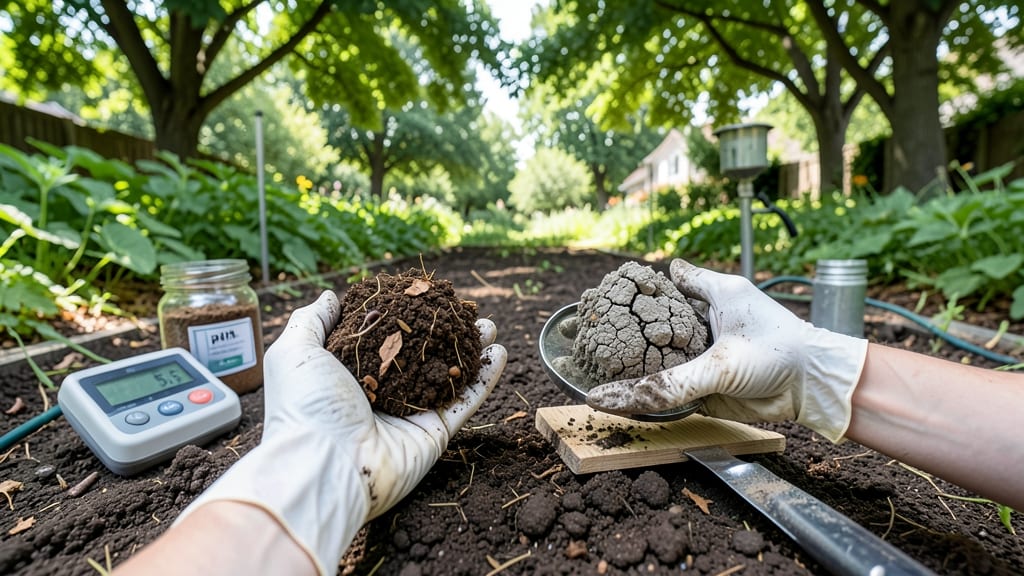
Yes, soil does go bad over time, losing its nutrients and potency when stored improperly or left unused, typically degrading within 6 months to 2 years depending on organic matter and moisture levels. Fresh, compost-rich soil maintains fertility longer than sterile potting mixes.
Soil quality declines because organic matter breaks down through microbial activity, while essential nutrients like nitrogen leach out over time. 🌱 Moisture and temperature play critical roles—damp soil can develop mold or anaerobic conditions, while dry soil loses structure.
I’ve noticed garden soil lasts longer outdoors than potting mixes because natural weathering slows degradation. The key difference? Compost-rich soil replenishes nutrients more easily than sterile mixes, making it a smarter long-term investment for gardeners.
For those storing soil, sealing it in airtight containers and keeping it dry prevents most nutrient loss. A simple trick I use is mixing in a bit of fresh compost every few months to revive tired soil.
If your soil smells sour or looks powdery, it’s time to replace it—don’t wait for plants to suffer!
💡 In This Article
- How Soil Degrades Over Time: Nutrient Breakdown and Microbial Decline
- Extending Soil Freshness: Storage Tips for Gardeners and Planters
How soil degrades over time: nutrient breakdown and microbial decline
Soil degradation starts with the breakdown of organic matter by microbes. When soil sits unused, beneficial bacteria and fungi that cycle nutrients begin to die off, reducing the soil's ability to support plant life.
This process accelerates in moist conditions because water activates microbial activity, causing organic compounds to decompose faster. For example, garden soil with 5-10% organic matter may lose 30% of its nitrogen content within just 6 months if left exposed to air and moisture.
The pH balance shifts too—organic acids produced during decomposition can make soil more acidic over time, especially in sealed containers.
This acidity alters nutrient availability, making essential minerals like phosphorus and potassium less accessible to plants. 🌱 Compare this to sterile potting mixes, which lack these microbial communities and degrade primarily through physical breakdown of structure rather than chemical changes.
That’s why potting soil often loses potency within 1-2 years, while garden soil can last longer outdoors due to natural aeration.
Nitrogen leaching is another major factor. When soil remains damp, water carries soluble nitrogen compounds downward, effectively washing them away. This is why soil stored in unsealed bags or containers loses fertility faster—nitrogen, a critical plant nutrient, can disappear entirely within 3-6 months in ideal leaching conditions.
The texture also changes: once fluffy soil becomes compacted and dusty as organic particles break down into finer particles.
Temperature plays a surprising role too. Soil stored in warm environments (like basements or garages) degrades 2-3 times faster than soil kept cool because heat speeds up microbial activity.
I’ve noticed this firsthand when comparing soil stored in a 60°F garage versus a 40°F basement—the cooler soil retained its structure and nutrients for nearly twice as long. This is why many gardeners recommend storing soil in a cool, dry place to slow degradation.
Mold growth is the final red flag. Excess moisture creates anaerobic conditions where harmful fungi thrive, producing foul odors and toxins that harm plants. If your soil smells musty or looks discolored, it’s past its prime.
The good news? Compost-rich soil has more resilience because the ongoing decomposition process replenishes nutrients, making it last longer than basic potting mixes.
Here’s what’s actually happening at a microscopic level: Soil microbes consume organic matter for energy, releasing carbon dioxide and heat in the process. Over time, this activity exhausts the food supply, leaving behind depleted, lifeless soil.
The key difference between garden soil and potting mixes? Garden soil contains living organisms that can recover with proper amendments, while sterile mixes offer no room for microbial revival.