
Size
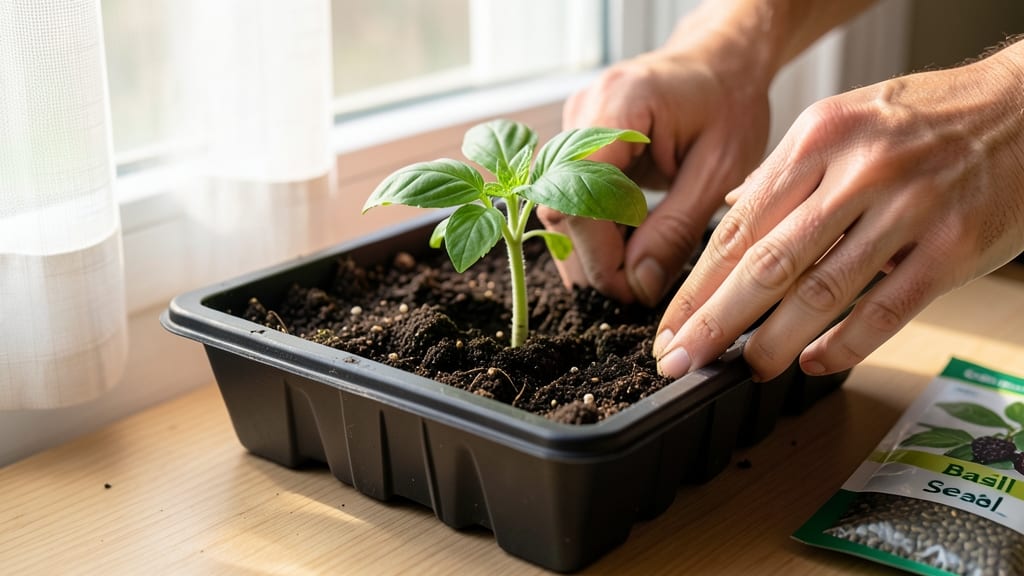
Soil does grow over time as organic material decomposes, microbes break down nutrients, and roots expand the structure while improving fertility through natural biological processes.
Soil growth happens through a dynamic process where decomposed plant matter, fungal networks, and microbial activity physically expand the soil volume. 🌱 This organic buildup creates spaces between particles, improving aeration and water retention while enriching the soil with essential nutrients.
The result is a denser, more fertile growing medium that supports stronger plant roots and healthier ecosystems.
This natural expansion isn't just about volume—it's about creating a thriving environment where beneficial microbes and earthworms contribute to long-term soil health. Over years, well-managed soil can increase in depth and fertility, transforming barren ground into productive garden beds.
The key is maintaining a balance of organic inputs and minimizing disruption to the soil's natural structure.
💡 In This Article
- How Organic Matter Builds Soil Structure
- Gardening Practices to Accelerate Soil Growth
How organic matter builds soil structure
Soil growth begins with the decomposition of organic matter, where plant residues, fallen leaves, and compost break down into simpler compounds through microbial activity. Fungi and bacteria act as nature's recyclers, transforming complex carbohydrates and proteins into humus—a dark, spongy material that binds soil particles together.
This process physically expands the soil volume by creating microscopic pores between particles, which improves aeration and water retention. 🌱 For example, a single teaspoon of healthy soil can contain billions of microbes working to break down organic material.
The key mechanism here is the formation of fungal hyphae, thread-like structures that weave through soil, connecting plant roots and creating stable aggregates. These aggregates—clumps of sand, silt, and clay held together by organic matter—improve soil structure by preventing compaction.
Studies show that well-structured soil can hold up to 30% more water and 50% more air than compacted soil, directly supporting root growth and microbial diversity. The texture becomes finer and more crumbly over time, similar to how a well-aged loaf of bread develops a lighter, more open crumb.
Microbial activity also releases nutrients as organic matter decomposes, converting them into forms plants can absorb. For instance, nitrogen-fixing bacteria like Rhizobium convert atmospheric nitrogen into plant-available forms, while earthworms aerate the soil by tunneling through it.
This biological activity not only increases soil volume but also enhances its fertility, creating a self-sustaining cycle. The deeper the organic layer, the more space for roots to explore and the greater the soil's capacity to store nutrients.
One often overlooked factor is the role of root exudates—substances released by plant roots that feed soil microbes. These exudates can make up to 20% of a plant's photosynthate, fueling microbial growth and further accelerating organic matter breakdown.
The result is a positive feedback loop where healthy plants support more microbial activity, which in turn improves soil structure and plant health. Over time, this process can increase soil depth by several inches, transforming thin, infertile layers into rich, productive growing mediums.
Consider the difference between a newly tilled garden bed and one that's been nurtured for years. The older soil will have a darker color, better crumb structure, and a richer aroma from the accumulated organic matter.
This transformation isn't just about volume—it's about creating a living ecosystem where every component plays a role in maintaining soil health. The more organic material you add, the more the soil can "grow" in both size and fertility, creating a foundation for thriving plant life. 🌿