
How To
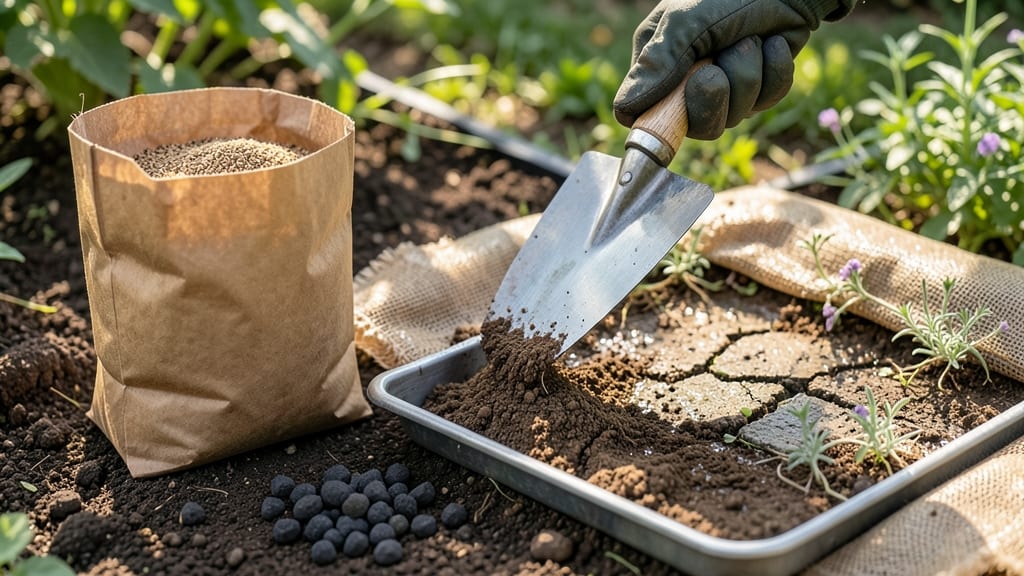
Eco-friendly soil stabilization naturally strengthens soil structure using organic materials like compost, biochar, lime kiln dust, or plant-based binders such as guar gum, which prevent erosion and enhance plant growth without relying on synthetic chemicals.
Natural soil stabilization works by improving soil cohesion through organic matter and microbial activity. Compost introduces beneficial microbes that bind soil particles, while biochar enhances water retention and nutrient availability. Lime kiln dust adjusts soil pH, creating a more stable environment for roots.
Plant-based binders like guar gum form a temporary network that holds soil together during heavy rains or foot traffic. These methods not only reduce erosion but also promote healthier plant growth by improving soil fertility and structure over time. 🌱
For gardeners, the choice depends on your specific needs. Compost is ideal for improving overall soil health, while biochar works best in sandy soils that need better water retention. Lime kiln dust is perfect for acidic soils, and guar gum is a quick fix for high-traffic areas.
Each method offers unique benefits, making it easier to tailor your approach to your garden's specific challenges.
💡 In This Article
- How Natural Binders Improve Soil Stability
- Best Eco-Friendly Stabilization Methods for Gardens
How natural binders improve soil stability
Natural soil stabilizers work by leveraging organic chemistry and microbial processes to physically bind soil particles together. Compost, for example, introduces humic acids and fungal mycelium that act like microscopic glue, creating a network that holds clay, silt, and sand particles in place.
These organic compounds also enhance soil aggregation by reducing surface tension between particles, allowing water to penetrate more easily while preventing erosion. The microbial activity in compost further produces polysaccharides that act as biological binders, similar to how natural gums work in plant-based stabilizers.
Biochar takes a different approach by increasing soil porosity through its porous carbon structure, which improves water retention and nutrient availability. When mixed into soil, biochar particles create tiny pockets that hold moisture while allowing air circulation—this dual function reduces compaction and improves root penetration.
The negative charge on biochar's surface also attracts positively charged minerals like calcium and magnesium, which further strengthen soil structure. Studies show biochar can increase soil stability by up to 30% in sandy soils, making it ideal for areas with loose, erosion-prone topsoil.
Lime kiln dust works through a chemical process called flocculation, where calcium ions neutralize negatively charged clay particles, causing them to clump together. This reduces soil dispersion and improves load-bearing capacity, especially in heavy clay soils.
The pH adjustment from lime also activates beneficial microbes that contribute to long-term soil stability. Unlike synthetic stabilizers that rely on toxic binders, lime provides a mineral-based solution that remains effective for years while improving soil fertility.
For acidic soils with pH below 6.0, lime can raise stability by 20-40% within 3-6 months.
Plant-based binders like guar gum take a mechanical approach by forming temporary hydrogen bonds between soil particles when hydrated. These binders create a gel-like matrix that holds soil together during heavy rains or foot traffic, similar to how natural latex works in erosion control blankets.
The advantage is immediate stabilization—guar gum can provide 90% erosion protection within 24 hours of application—though it degrades over time, making it best for short-term projects or high-traffic areas where quick results are needed.
What sets these natural methods apart is their multi-functional benefits. While synthetic stabilizers focus solely on binding, natural options simultaneously improve soil health by increasing organic matter, microbial activity, and nutrient availability.
For instance, compost not only stabilizes but also introduces beneficial fungi that break down organic material, creating a self-sustaining soil ecosystem. This holistic approach makes natural stabilization both environmentally friendly and cost-effective in the long run.
Consider this comparison: synthetic stabilizers might cost $20-$50 per cubic yard and provide temporary results, while compost or biochar can cost $5-$20 per cubic yard but deliver long-term benefits for soil health and plant growth.
The trade-off is time—natural methods require patience as microbial processes gradually build soil stability over seasons, whereas synthetic solutions offer instant but short-lived results.