
Neem Oil
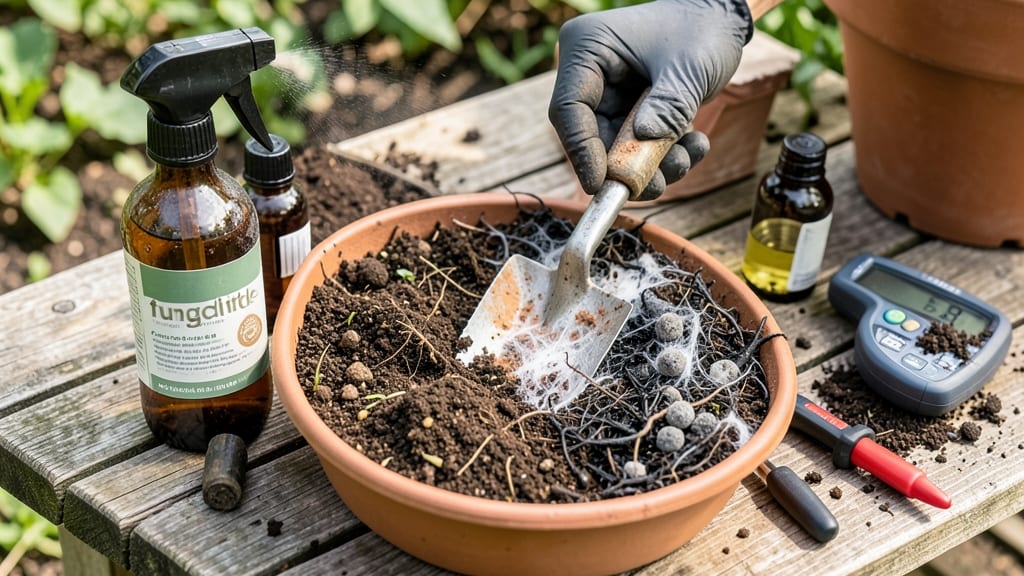
Your plants are wilting despite perfect watering—soil fungus might be the culprit. 🌱 I’ve battled Phytophthora and Pythium in my own garden, and the right fungicide can turn things around without harming your soil long-term.
The key is choosing between organic options like neem oil or copper-based sprays and chemical treatments, each with its own strengths.
Organic fungicides work gently but require consistency—think of them as a shield, not a cure. Neem oil disrupts fungal spores on contact, while copper prevents them from spreading. Chemical options like chlorothalonil act faster but need careful handling.
Both can save your garden if applied correctly, but the wrong choice risks damaging beneficial microbes or leaving residue.
You’ll see healthier roots and stronger stems within 2-4 weeks of treatment, with fewer yellowing leaves or stunted growth. The real win? A soil ecosystem that stays balanced, not one where fungicides become a crutch. Prevention—like improving drainage and rotating crops—keeps fungus at bay for good.
Works for vegetables, flowers, and shrubs, whether you’re dealing with waterlogged beds or compacted soil. Let’s get your garden back to thriving—without the guesswork.
The Hidden Triggers of Soil Fungi
Soil fungi may seem like a silent menace, but their growth is rarely random. Understanding the why behind their proliferation is the first step to preventing them—and protecting your plants.
From environmental conditions to human habits, several factors create the perfect breeding ground for these microscopic invaders. Let’s break down the key culprits.
Fungi thrive in environments that mimic a spa retreat—warm, humid, and consistently moist. Here’s why:
- Moisture Overload: Soil fungi, like Phytophthora or Pythium, require water to spread their spores. Overwatering, poor drainage, or heavy rainfall creates a soggy soil matrix, accelerating fungal growth. Pro tip: Aim for soil that’s like a wrung-out sponge—damp but not waterlogged.
- Heat as a Catalyst: Temperatures between 60–85°F (15–30°C) are ideal for many soil fungi. Greenhouses, tropical climates, or mulched beds can trap heat, turning soil into a fungal hotspot.
- Condensation Traps: Plastic mulches or dense canopies (like thick foliage) trap moisture near the soil surface, creating a microclimate perfect for fungal spores to germinate.
Fungi don’t just like compacted soil—they dominate it. Here’s how tight, dense soil fuels their spread:
- Oxygen Starvation: Fungi are facultative anaerobes, meaning they can survive with little oxygen. Compacted soil lacks air pockets, forcing beneficial microbes (like bacteria) to retreat while fungi take over.
- Root Stress = Fungal Feast: Compacted soil restricts root growth, creating wounded plants. Fungi exploit these weak spots, entering through damaged roots or stems.
- Waterlogging Effect: Compacted soil holds water poorly, leading to perched water tables—a fungal paradise where spores float freely until they find a host.
Not all organic matter is created equal. While compost enriches soil, too much of the wrong kind can tip the scales toward fungal dominance:
- Excessive Leaf Litter or Grass Clippings: Thick layers of undecomposed plant material create a fungal mat, especially if it’s high in carbon (like dry leaves) and low in nitrogen. Fix: Balance with nitrogen-rich greens (grass clippings) or turn it into compost first.
- Wood Chips and Bark Mulch: While great for moisture retention, fresh wood chips can harbor Armillaria (shroom root rot) or Heterobasidion. Always use aged or composted mulch.
- Improperly Composted Manure: Raw manure introduces fungal spores and pathogens. Use well-aged compost (12+ months) to let beneficial microbes outcompete fungi.
Fungi are opportunists—they exploit soil where nutrients are either scarce or skewed toward their favor:
| Nutrient Issue | How It Helps Fungi | Actionable Fix |
|---|---|---|
| Low Nitrogen | Fungi outcompete bacteria for carbon sources (like cellulose in dead plants), thriving in nitrogen-poor soil. | Add blood meal or alfalfa meal to boost nitrogen. Avoid synthetic fertilizers, which can disrupt microbial balance. |
| High Phosphorus | Phosphorus-rich soils (from bone meal or rock phosphate) can stimulate fungal growth, especially in acidic conditions. | Test soil pH—aim for 6.0–7.0. Use mycorrhizal fungi (beneficial types) to balance phosphorus uptake. |
| Excessive Salt or Chemicals | Residual salts from fertilizers or sodium in irrigation water weaken plant defenses, making them susceptible to fungal attacks. | Flush soil with rainwater or use gypsum to break up salt buildup. |
Fungi don’t just attack—they hunt. When plants are already stressed, fungi move in for the kill:
- Root-Feeding Insects: Grubs, nematodes, and wireworms create entry wounds that fungi exploit. Example: Verticillium wilt often follows beetle-damaged roots.
- Disease Carriers: Some insects (like aphids) spread fungal spores on their bodies, depositing them directly onto plants.
- Physiological Stress: Drought, extreme heat, or nutrient deficiencies weaken plants, making their cell walls easier targets for fungal enzymes.
💡 Pro Tip: Rotate crops annually to starve out soil-borne fungi. Fungi often specialize in specific plant families (e.g., Fusarium loves tomatoes and peppers), so breaking the cycle disrupts their lifecycle.
How to Treat Soil Fungus Naturally
Soil fungus may feel like a stubborn opponent, but with the right approach, you can restore your garden’s health—without harsh chemicals. Below are targeted solutions for common causes, paired with prevention tips to keep fungi at bay for good.
Cause: Overly moist, compacted, or nutrient-depleted soil creates the perfect breeding ground for fungi. Solution:
- 🔥 Improve Drainage First
- Amend soil with organic matter (compost, coconut coir, or peat moss) to loosen texture and boost aeration.
- Raise garden beds or install French drains if water pools persistently.
- Pro Tip: 💡 Test your soil’s pH—fungi thrive in acidic (pH <6.0) or overly alkaline (pH >7.5) conditions. Aim for 6.0–7.0 for most plants.
- 🍳 Apply Fungicidal Barriers - Neem oil spray (1–2 tbsp per gallon of water) acts as a preventive shield against spores.
Reapply every 2–4 weeks during wet seasons. - Baking soda solution (1 tbsp baking soda + 1 quart water + a few drops of soap) can be poured directly into soil (avoid overuse—it raises pH). - 🌡️ Solarization (for severe cases): Cover soil with clear plastic sheeting for 4–6 weeks in hot sun to kill fungi via heat.
Cause: Diseased plants (e.g., damping-off, root rot) introduce spores into the soil. Solution:
- 👨🍳 Remove and Replace
- Pull infected plants (including roots!) and dispose of them in sealed bags—never compost them.
- Sterilize tools with 70% isopropyl alcohol or a 10% bleach solution between uses.
- 🎯 Plant resistant varieties (e.g., choose disease-resistant tomatoes or marigolds to repel fungi naturally).
- 🔪 Quarantine New Plants
- Inspect potted plants or seeds before transplanting. Look for black spots, moldy stems, or foul odors.
- Soak roots in fungicide (neem oil or hydrogen peroxide 3% solution) for 10 minutes before planting.
Cause: Poor garden hygiene, excessive irrigation, or lack of rotation. Solution:
- ⏰ Water Wisely
- Water deeply but infrequently (early morning is best) to avoid soggy soil.
- Use drip irrigation or soaker hoses to keep foliage dry.
- Pro Tip: ✨ Mulch with straw or wood chips (2–3 inches) to reduce soil splash onto leaves.
- 🔄 Rotate Crops & Soil Care
- Avoid planting the same family (e.g., nightshades like tomatoes/peppers) in the same spot year after year.
- Fallow the soil for 1–2 months between crops to starve fungal spores.
- 💪 Boost beneficial microbes with compost tea or mycorrhizal fungi inoculants to outcompete pathogens.
- 🏡 Maintain Garden Hygiene
- Clean up debris (fallen leaves, old mulch) weekly—fungi love decaying organic matter.
- Disinfect containers with vinegar (1:1 with water) or bleach solution before reuse.
Final Note: Consistency is key! Fungi don’t vanish overnight, but with preventive care + targeted treatments, your soil will stay healthy—and your plants, thriving. 🌿
Frequently asked questions
Can I use the same fungicide for both soil and foliage?
Most fungicides are formulated for specific targets. Soil fungicides (like chlorothalonil or copper-based treatments) focus on root zones, while foliar sprays (such as neem oil or potassium bicarbonate) target above-ground spores. Always check the label—some broad-spectrum options (like copper fungicide) work for both, but mixing applications can reduce effectiveness.
How often should I reapply fungicide to prevent soil fungus?
Preventive applications typically require every 2–4 weeks during high-risk seasons (spring/fall) or after heavy rain. For organic options like neem oil, reapply after each rainfall since it washes out. Chemical fungicides often last 4–6 weeks, but always follow label instructions—overuse can harm beneficial microbes or lead to resistance.
Will fungicide kill beneficial mycorrhizal fungi in my soil?
Most fungicides target pathogenic fungi, but some (especially broad-spectrum chemicals) can harm mycorrhizae if overused. To protect beneficial fungi, opt for targeted organic treatments (like copper fungicide or baking soda) or apply fungicides only when needed. Avoid spraying during active root growth periods to minimize disruption.
Can I make a homemade fungicide for soil fungus?
Yes! Effective DIY options include a baking soda solution (1 tbsp baking soda + 1 quart water) or hydrogen peroxide (3%) (1 part peroxide to 10 parts water). For soil application, pour directly into the root zone and water lightly. While these won’t replace commercial fungicides for severe infections, they’re great for prevention and mild cases—just reapply every 7–10 days.
How do I know if my soil fungus problem is severe enough for chemical fungicides?
If you spot wilted plants, blackened roots, or moldy soil despite organic treatments, it’s time for chemicals. Look for 50%+ plant loss or visible fungal growth (like white cottony threads). For Phytophthora or Pythium, systemic fungicides (like metalaxyl) may be needed. Always test a small area first to assess damage.