
Vegetables
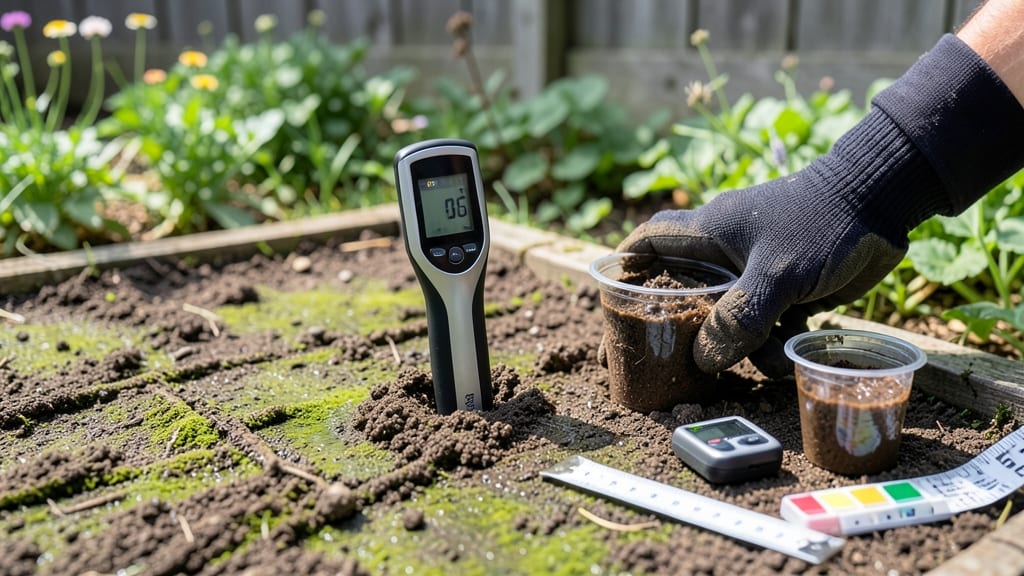
Green Cast soil temperature indicates a safe planting range of 45°F to 60°F (7°C to 15°C), signaling soil warmth and moisture balance ideal for seed germination and root development without risk of frost damage.
A green cast in your soil isn't just a color—it's a natural sign your garden bed has reached the perfect warmth for planting.
This hue appears when soil temperatures sit between 45°F and 60°F, creating ideal conditions for seeds to sprout without stress. 🌱 The green tone comes from active microbial activity and balanced moisture, which also helps roots establish quickly.
Unlike cold gray soil (below 45°F) or overheated brown soil (above 60°F), green-cast soil gives your plants the best start by preventing frost damage while avoiding heat shock.
This temperature range works particularly well for cool-season crops like lettuce and peas, but it's also a good benchmark for warm-season vegetables when you're preparing beds early. The key is testing in the morning when temperatures are most stable—use a soil thermometer at 2-inch depth for accurate readings.
If your soil shows green tones but feels damp, hold off planting until it dries slightly to prevent rot.
💡 In This Article
- What Green Cast Soil Temperature Reveals About Planting Conditions
- How to Test and Use Green Cast Soil Temperature for Gardening Success
What green cast soil temperature reveels about planting conditions
The green cast in soil isn't random—it's a visual indicator of microbial activity thriving at 45°F to 60°F (7°C to 15°C). At these temperatures, beneficial bacteria and fungi multiply rapidly, breaking down organic matter into nutrients plants can absorb.
This biological activity creates a slightly darker, verdant hue compared to colder gray soil (below 45°F) or overheated brown soil (above 60°F). The moisture balance at this range prevents microbial dormancy while avoiding anaerobic conditions that produce foul odors. 🌱
This temperature zone also triggers enzymatic reactions that soften seed coats, making germination more efficient. For example, lettuce seeds need soil temps around 50°F (10°C) to sprout, while peas thrive at 55°F (13°C).
The green cast signals these conditions are met without risk of frost damage (which occurs below 32°F/0°C) or heat shock (above 65°F/18°C). The texture of green-cast soil feels slightly damp but crumbles easily between fingers—unlike cold soil that feels stiff or hot soil that sticks together.
What's fascinating is how this color change correlates with oxygen levels. Aerobic microbes (which need oxygen) dominate in green-cast soil, creating an ideal environment for root respiration. In contrast, brown soil often indicates anaerobic pockets where microbes produce methane or hydrogen sulfide.
The green cast also means your soil's cation exchange capacity is optimized, helping nutrients like nitrogen, phosphorus, and potassium stay available for young plants. 💛
However, not all green casts are equal—organic matter content plays a role. Soils rich in compost may show green tones at slightly lower temperatures (around 40°F/4°C) due to added microbial populations.
Conversely, sandy soils might need to reach 55°F (13°C) before showing the same green hue because they heat up faster. This is why regional adjustments matter: Northern gardeners should wait for consistent green tones before planting cool-season crops, while Southern gardeners might see green casts earlier in spring.
Here's what the color spectrum actually means:
- Gray soil: Below 45°F (7°C)—microbial activity is minimal, seeds may rot or fail to germinate
- Green cast: 45°F to 60°F (7°C to 15°C)—optimal microbial activity, balanced moisture, ideal for most vegetables
- Brown soil: Above 60°F (15°C)—may indicate drought stress or overheating, can cause seedling stress
The green cast also affects water retention—soil at these temperatures holds moisture better than colder soil (which repels water) but drains faster than overheated soil (which becomes hydrophobic). This balance is why green-cast soil is particularly valuable for container gardening, where temperature fluctuations are more extreme.
For container growers, maintaining this green hue often means using 50% organic matter in growing mixes to buffer temperature swings. ✨