
Tools
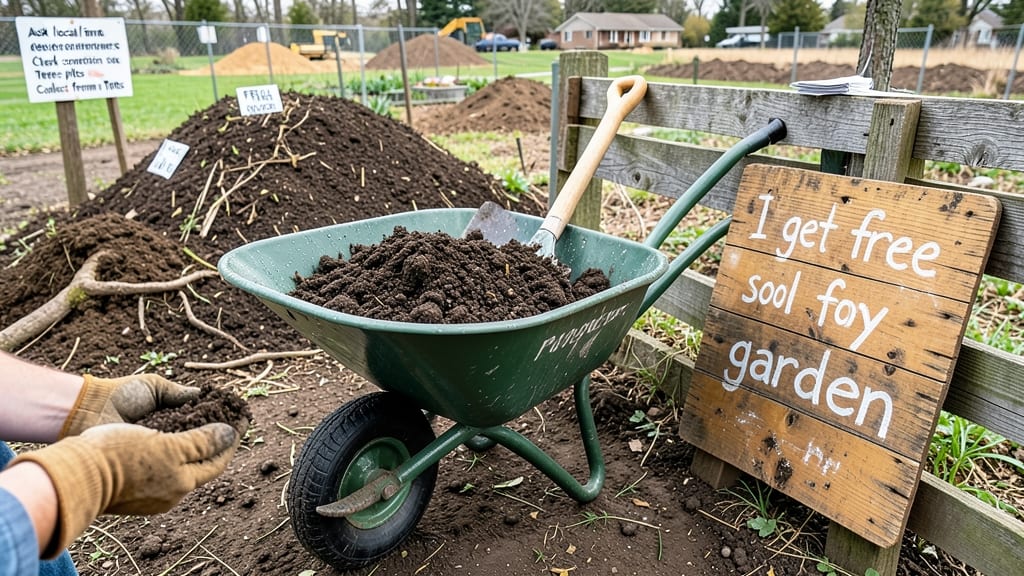
To get free soil for your garden, check local construction sites for excess topsoil, ask neighbors or community gardens for compost or unused soil, or visit tree-trimming services for wood chip mulch. Always confirm legality and quality before collecting.
Getting free soil for your garden is easier than you think—many people simply don't realize what's available in their own neighborhoods.
Construction sites often have piles of excess topsoil they're happy to give away, while tree-trimming companies discard perfectly good wood chips that make excellent mulch. Community gardens and local gardening groups frequently redistribute unused soil or compost, and neighbors might have extra from their own projects.
The key is asking politely and checking for quality—never assume soil is safe just because it looks clean.
Before collecting anything, verify the soil hasn't been treated with chemicals or pesticides, as these can harm your plants. Construction sites may have soil that's been sitting for weeks, which could be compacted or contaminated, while wood chips should be fresh and free of mold.
Always wear gloves and a mask when handling unknown materials, and consider testing soil pH if you're unsure about its composition. This simple precaution can save you from potential headaches later.
💡 In This Article
- Legal Ways to Collect Free Soil from Construction Sites and Municipal Projects
- Community-Based Soil Sharing: Where to Find Free Compost and Garden Soil
Legal ways to collect free soil from construction sites and municipal projects
Construction sites and municipal projects often have excess topsoil they need to dispose of, making them prime sources for gardeners. When developers excavate land for foundations or landscaping, they typically remove the top layer of fertile soil—this material is often rich in organic matter and perfectly suited for gardens.
The key reason this soil is free? Contractors pay by the cubic yard to haul it away, so they're eager to offload it to anyone willing to take it.
To approach site managers, start by calling the construction company's office or visiting the site during business hours. Politely explain you're a local gardener looking for free soil and ask if they'd be willing to donate what they have.
Many managers will say yes if you arrive with your own truck or trailer—some even offer to load it for you. Always bring gloves, a mask, and a tarp to collect samples for testing before taking large quantities.
Never assume soil is safe; construction sites may have treated soil with herbicides or contain debris like nails or broken glass.
Municipal projects like road repairs or park renovations also produce usable soil. Check with your city's public works department—they often have excess soil from grading projects that would otherwise go to landfills.
For example, after repaving a street, crews may have 5-10 cubic yards of removed topsoil that they'll give away. Some cities even have "soil banks" where residents can request free topsoil for gardening.
Always confirm the soil hasn't been treated with road salts or other chemicals before using it in vegetable gardens.
Safety is critical when collecting from construction sites. Wear closed-toe shoes, long sleeves, and safety glasses—construction zones are unpredictable. Avoid soil near freshly poured concrete (which can contain alkaline lime that harms plants) or areas where chemicals were stored.
If the soil smells like gasoline or has visible oil sheen, it's contaminated and should be avoided. For large quantities, consider renting a dump trailer ($100-$200/day) to transport the soil home efficiently.
What makes construction site soil valuable is its high organic content—often 5-10% more than store-bought topsoil. However, it may need amending: mix in compost or aged manure to improve structure and fertility. Test the pH (ideal range for most gardens is 6.0-7.0) and add lime if needed.
The texture is usually loamy, but if it's too sandy, incorporate peat moss or coconut coir to retain moisture. This free resource can save you $50-$100 per cubic yard compared to buying bagged soil.
One advanced tip: Ask if the site has clean fill dirt (often grayish and less fertile) for pathways or raised beds. While not ideal for planting, it's perfect for creating hardscapes or drainage layers.
Always leave your contact info with the site manager in case they have more soil later—many projects run longer than expected, and they'll call you if additional material becomes available. This builds goodwill and ensures you get the best free soil in your area.