
Light Requirements
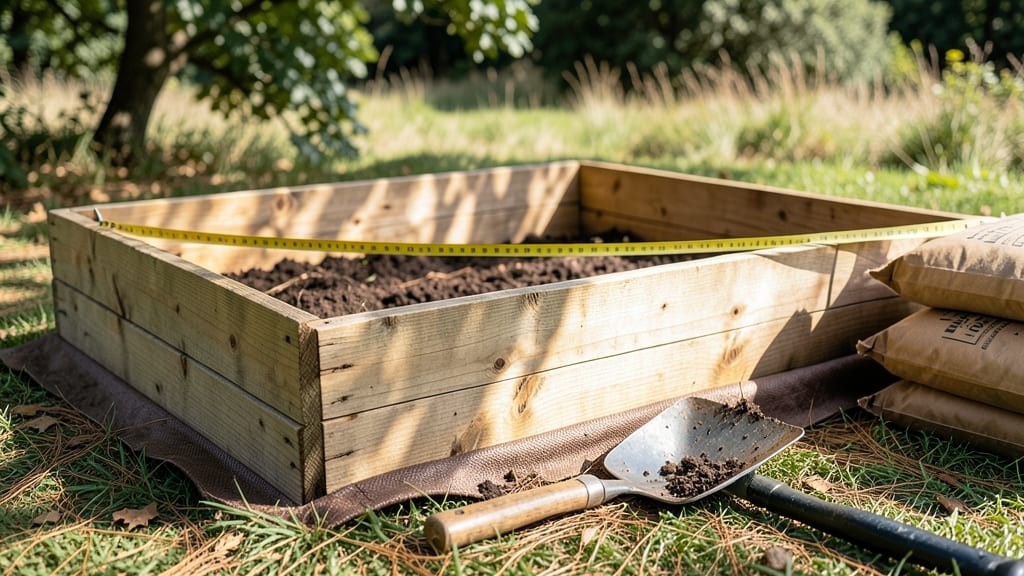
To calculate how much soil you need for a raised garden bed, multiply the bed’s length, width, and depth in feet, then convert cubic feet to cubic yards (1 cubic yard = 27 cubic feet). For example, a 4x8-foot bed with 12-inch depth requires about 1.75 cubic yards of soil.
Calculating soil needs starts with your bed's dimensions, but don't forget to account for soil settling—most experts recommend adding an extra 10-20% to your total. 🌱 For instance, a 4x4-foot bed filled to 18 inches might need 1.3 cubic yards, but after settling, you'll want closer to 1.5 cubic yards.
The right soil mix matters too: heavier clay soils compact more than loamy blends, so adjust accordingly for your specific plants.
For vegetable gardens, I always mix in compost and perlite to improve drainage and nutrient retention, which can reduce the total volume needed over time. If you're planting deep-rooted crops like tomatoes, consider adding 2-3 inches of extra soil depth to support their growth without overfilling the bed initially.
💡 In This Article
- Calculating Soil Volume for Raised Garden Beds
- Best Soil Types and Mixes for Raised Garden Beds
Calculating soil volume for raised garden beds
Start by measuring your bed's length, width, and depth in feet—not inches—to avoid confusion. For example, a standard 4x8-foot bed filled to 12 inches (1 foot) depth will need 32 cubic feet of soil (4 × 8 × 1).
Since soil is sold by the cubic yard (27 cubic feet per yard), divide 32 by 27 to get 1.18 cubic yards. However, this is just the starting point—most soils settle 10-20% over time, so round up to 1.3 cubic yards for practicality.
The depth matters more than you might think. Shallow beds (6 inches) are ideal for herbs and shallow-rooted plants like lettuce, while vegetables like tomatoes need 12-18 inches of soil depth.
A 4x8-foot bed with 18-inch depth requires 4.8 cubic yards of soil before settling. 🌱 Pro tip: Use a tape measure to verify depth at multiple points—uneven beds can create pockets where soil settles unevenly, leaving roots exposed.
Soil type affects volume too. Loamy soils (ideal for most plants) compact less than clay-heavy mixes, which can shrink 25% or more after watering. For heavy clay, add 30-50% extra soil to account for settling.
Sandy soils drain faster but may need 10-15% more to maintain moisture. Always test your mix: Press a handful—if it crumbles easily, it’s too loose; if it sticks, add compost.
Don’t forget drainage layers! Many raised beds include 4-6 inches of gravel or hardware cloth at the bottom to prevent root rot. Subtract this from your depth calculation.
For instance, a 12-inch deep bed with 4 inches of drainage only needs 8 inches of soil, reducing your total volume by 33%. This adjustment is critical for beds without built-in drainage holes.
For large projects, break calculations into sections. A 10x12-foot bed with 12-inch depth needs 4.44 cubic yards of soil.
Buying in bulk (e.g., 5 cubic yards) ensures you have enough for adjustments, especially if you’re mixing custom blends. 💫 Always order slightly more than your calculation—soil bags often list "loose" volume, which compacts when tamped.
Finally, consider the weight. A cubic yard of soil weighs 2,000-2,500 pounds—heavy enough to require a wheelbarrow or tractor for moving. Plan your delivery spot near the bed to avoid back strain.
For raised beds taller than 2 feet, check local building codes, as some areas limit height for safety reasons.