
How To
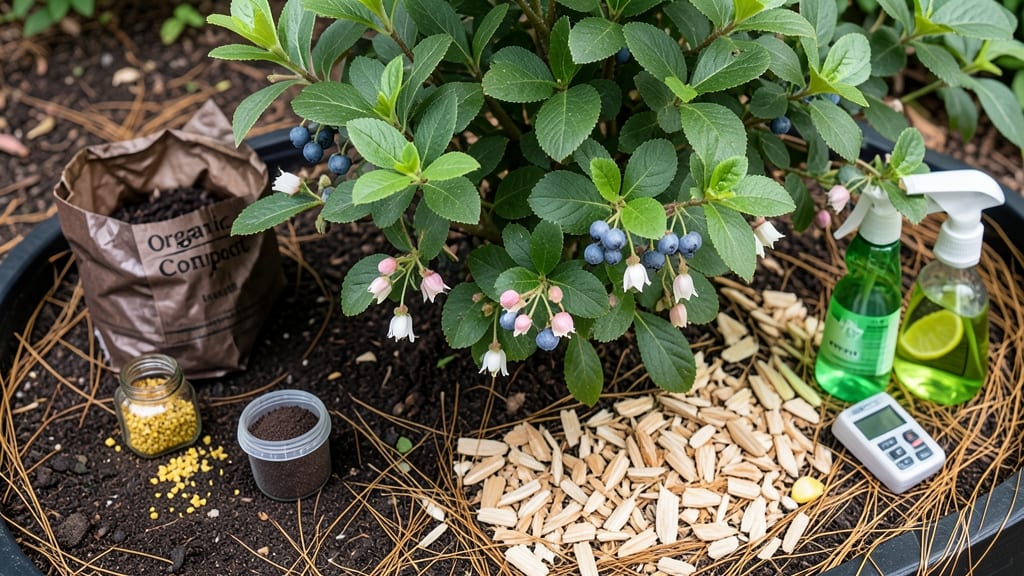
How to make soil more acidic organically—your blueberries and azaleas are begging for a pH adjustment without harsh chemicals. 🌿 Lowering soil acidity naturally isn’t just possible; it’s the secret to vibrant blooms and bountiful harvests. I’ve transformed my own yard from struggling shrubs to thriving acid-loving plants using simple, garden-friendly methods that work in just a few months.
The key ingredients—pine needles, coffee grounds, and sulfur—are often sitting in your trash or pantry. These natural amendments break down slowly, gradually dropping the pH to that sweet spot of 4.5–5.5 where acid-loving plants truly shine.
The process is straightforward: spread your chosen amendment, mix it into the top 6 inches of soil, and water it in. Test your soil every 4–6 weeks to track progress—no guesswork, just science-backed results.
What you’ll end up with is a garden where azaleas burst with color and blueberries produce fruit so sweet it’s embarrassing to share. The soil itself becomes richer, with better nutrient availability for roots.
Plus, you’ll avoid the chemical burn that can harm beneficial microbes and pollinators. This method works for raised beds, in-ground gardens, and even container plantings.
Fair warning: patience is key—organic changes take time, but the payoff is worth it. Overdoing it with amendments can actually make the soil too acidic, so start small and monitor closely. Once you’ve nailed the balance, your acid-loving plants will reward you with years of lush growth and stunning displays.
📚 In This Guide
- What you need
- Instructions
- Tips and common mistakes
- Wrapping up and next steps
What you need
- ● Elemental sulfur: 1–2 lbs per 100 sq ft (choose powdered or pelletized for even distribution). Pro tip: Works best in dry soil!
- ● Pine needles or bark: 1–2 inches of mulch (fresh or composted). Bonus: Doubles as a natural mulch!
- ● Coffee grounds: ½ cup per plant (fresh or composted). Warning: Use sparingly—too much can attract pests.
- ● Peat moss: 2–3 inches mixed into topsoil (or 5 lbs per 100 sq ft). Note: Opt for sphagnum peat for best results.
- ○ Wood ash (optional but potent): Use with caution! ½ cup per plant (test soil first—it can raise pH if overused).
- ● Garden gloves (to protect your hands from sulfur or sharp bark).
- ● Garden fork or trowel (for mixing amendments into soil).
- ● pH test kit (to monitor progress—aim for 4.5–5.5 for acid-lovers!).
- ● Watering can or hose (to hydrate soil after amending).
- ○ Compost bin (optional, for breaking down organic materials faster).
Step-by-Step guide to Lowering soil pH organically
Here's how I naturally acidify soil for acid-loving plants without harsh chemicals.
🌱 Step 1: Test Your Current Soil pH
Before adding amendments, test your soil's current pH using a reliable kit or meter. Most blueberries and azaleas thrive at pH 4.5-5.5, so aim for that range. I like to test in multiple spots—especially where plants show signs of stress like yellowing leaves or stunted growth. Write down the results to track progress over time.
If your soil tests above 6.0, you'll need more aggressive amendments. For readings between 5.5-6.0, lighter applications will suffice. Remember, organic methods take patience—don't rush the process. I've seen dramatic improvements after 3-4 months of consistent treatment.
🍂 Step 2: Apply Organic Acidifying Materials
Spread 1-2 inches of pine needles over the soil surface—they slowly release organic acids as they decompose. For immediate results, mix in 1-2 cups of peat moss per square foot (if your climate allows sustainable sourcing). I also incorporate 1-2 inches of well-aged pine bark into the top 6 inches of soil for long-term acidification.
Work these materials into the top 6-8 inches of soil using a garden fork. Avoid compacting the soil—just loosen it enough to incorporate the amendments evenly. Water thoroughly after mixing to help activate the acidifying process. This step is where most gardeners make mistakes by overdoing it—stick to recommended amounts to avoid shocking plants.
💧 Step 3: Use Coffee Grounds and Compost Tea
Collect used coffee grounds from your kitchen and sprinkle ½ cup per square foot over the soil surface. These contain natural acids that lower pH while adding valuable organic matter. I also make compost tea using 1 part compost to 5 parts water, letting it steep for 3-5 days before applying as a soil drench.
Apply coffee grounds and compost tea every 4-6 weeks during the growing season. This maintains consistent acidity without drastic pH swings. I've found that plants respond best when amendments are applied gradually rather than all at once. Monitor soil moisture—these materials work best when kept slightly damp but not waterlogged.
⏰ Step 4: Maintain Acidic Conditions Long-Term
After initial amendments, continue maintaining acidity by applying 1 inch of sulfur (if needed) every 6-12 months based on retesting. I also mulch annually with 2-3 inches of oak leaves—they decompose slowly and help sustain the acidic environment. For container plants, replace 25% of the soil annually with fresh acidic mix.
Regularly test soil pH every 3-6 months to adjust as needed. Most organic amendments take 2-4 weeks to show measurable effects. If plants still show stress symptoms, consider adding 1-2 tablespoons of aluminum sulfate per square foot (though I prefer to minimize chemical use). The key is consistency—acid-loving plants reward patient gardeners with vibrant growth.
Tips & tricks for natural soil acidification
These proven strategies will help you achieve the perfect pH balance for your acid-loving plants without the guesswork.
Testing Precision: When testing soil pH in Step 1, take samples from multiple locations—especially areas showing plant stress. I've found that pH can vary dramatically even within the same garden bed. Use a digital meter for accuracy rather than color-changing kits, which can be less precise. The goal is 4.5-5.5 for optimal blueberry and azalea growth, so aim for consistency across your planting area.
Layering Amendments: In Step 2, don't just apply pine needles or peat moss—combine them for maximum effect. I recommend spreading 1 inch of pine needles first, then mixing in 1 cup of peat moss per square foot into the top 6-8 inches of soil. This creates both immediate and long-term acidification. Water thoroughly after application to activate the amendments. For container plants, reduce these amounts by half to avoid over-acidification.
Coffee Grounds Strategy: The ½ cup per square foot of coffee grounds in Step 3 packs a double punch—it lowers pH while adding nitrogen. To maximize benefits, work them into the top inch of soil rather than leaving them on the surface. I also recommend composting used coffee grounds in a bin for 2-3 weeks before applying to reduce salt content, which can harm plant roots. Apply every 6 weeks during growing season for steady results.
Long-Term Maintenance: For Step 4, consider creating a "soil acidification schedule" based on your initial pH reading. If you started above 6.0, plan for more frequent applications of sulfur and oak leaf mulch. I maintain a garden journal noting each amendment application and corresponding pH tests—this helps me track progress over time. Remember that organic methods work gradually, so patience is key to achieving that perfect 4.5-5.5 range.
Pro Tips for Make Soil More Acidic Organically
- These proven strategies will help you achieve the perfect pH balance for your acid-loving plants without the guesswork.
- Testing Precision: When testing soil pH in Step 1, take samples from multiple locations—especially areas showing plant stress.
- Layering Amendments: In Step 2, don't just apply pine needles or peat moss—combine them for maximum effect.
Frequently asked questions
Got questions about lowering your soil’s pH the natural way?
Here are answers to the most common concerns—plus pro tips to keep your blueberries and azaleas happy without the guesswork.
How long does it take to see results?
Patience is key! Organic amendments like pine needles or sulfur can take 2–6 months to shift pH noticeably, depending on your soil type. Test monthly with a pH meter or test kit—aim for 4.5–5.5 for acid-loving plants. Heavy clay soils may need longer; sandy soils respond faster.
Will this harm my lawn or other plants?
Acidifying soil only in garden beds (not lawns) avoids damaging grass, clover, or veggies that prefer neutral pH. For mixed areas, use elemental sulfur sparingly and test soil in 6-inch increments. If you’re unsure, apply amendments to raised beds or mulch-heavy zones first.
Can I use coffee grounds or vinegar?
Skip the vinegar—it’s too harsh and burns plant roots while raising pH temporarily. Coffee grounds might help slightly (they’re mildly acidic), but they’re not reliable for long-term changes. Stick to proven methods like peat moss, pine bark, or sulfur for consistent results.
When’s the best time to acidify soil?
Spring or early fall are ideal! Avoid applying amendments right before planting—give them 4–6 weeks to integrate. In hot climates, work in shady months (June–August) to prevent sulfur from volatilizing too quickly. Evergreens? Acidify in late winter so roots absorb nutrients before new growth.
What if my soil gets too acidic?
Over-acidification (pH < 4.0) stresses plants and leaches nutrients. Fix it by adding lime (calcium carbonate) or wood ash—but only to affected areas. Mix 1–2 lbs of lime per 100 sq ft into the top 6 inches, water thoroughly, and retest in 2–3 months. Compost can also buffer extreme acidity over time.
| Quick Fix? | Long-Term? |
|---|---|
| Pine needles or oak leaves (mulch) | Elemental sulfur or peat moss (amendments) |
| Aluminum sulfate (fast but use sparingly) | Composted pine bark (slow but nutrient-rich) |
Pro tip: Label your garden beds if you’re testing multiple pH zones—this helps track which areas need adjustments!
Wrapping up and next steps
Transforming your soil organically to support acid-loving plants like blueberries and azaleas is simpler than you think! By using natural amendments like pine needles, coffee grounds, and sulfur-rich compost, you’re not just boosting acidity—you’re nurturing a thriving ecosystem.
Start small, monitor your soil’s pH regularly, and watch your garden flourish with vibrant, healthy plants. 🌱
Ready to take the next step? Grab a soil test kit, pick one organic amendment from this guide, and begin your journey to a pH-perfect garden—your plants will thank you!