
Pests and Diseases
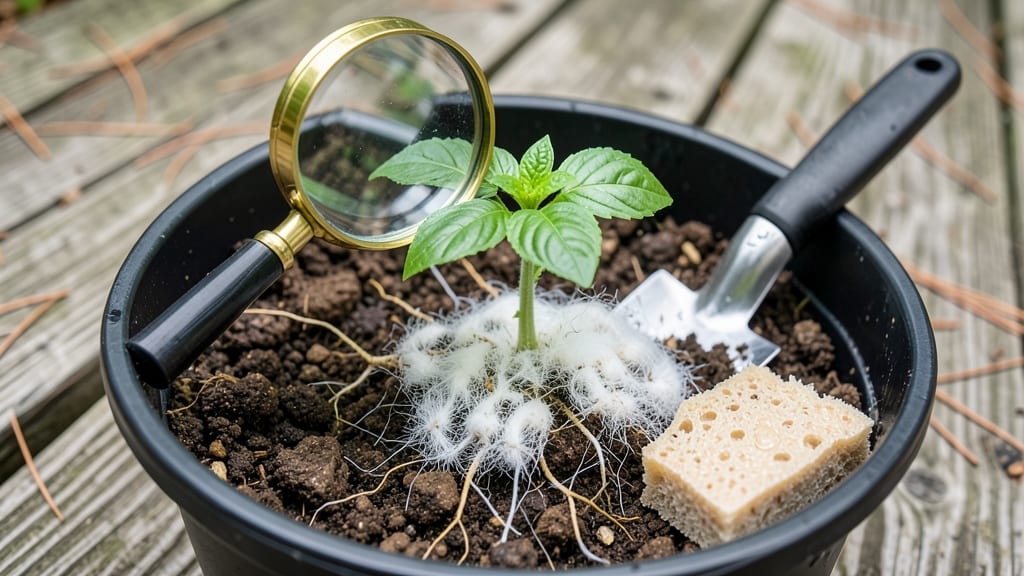
That white fungus in soil is bad—though some types definitely aren’t. ✨ The good news? Most white fungal growth is harmless, but telling the difference between harmless mold and dangerous pathogens like Fusarium or Rhizoctonia can save your garden.
I’ve spent years dealing with this exact issue, and here’s how to identify what’s growing, whether it’s a threat, and how to clean it up without harming your plants.
Harmless white fungi often appear as fluffy, cotton-like patches that don’t spread aggressively and don’t discolor leaves or stems. Pathogenic fungi, on the other hand, usually show up with yellowing foliage, wilting, or stunted growth—clear signs your plants are under attack.
The key is acting fast: if you spot wilting or discoloration, you’re likely dealing with something that needs immediate attention, not just a quick cleanup.
For harmless fungi, simply remove the top layer of soil and replace it with fresh, sterile potting mix or compost. If it’s a pathogen, you’ll need to disinfect the soil with a 3% hydrogen peroxide solution (1 part peroxide to 3 parts water) or an organic fungicide like neem oil.
Most importantly, stop overwatering—fungi thrive in soggy conditions, and fixing that alone can prevent future outbreaks.
Once the soil is clean, focus on rebuilding its health with well-aged compost and proper drainage. Healthy soil naturally resists fungal invaders, so think of this as a reset button for your garden’s foundation.
The goal isn’t just to remove the fungus—it’s to create an environment where your plants can thrive without inviting it back.
Root Causes Of White Fungus Growth
White fungal growth in soil isn’t just random—it’s a response to specific conditions that create the perfect breeding ground for mold, mildew, or beneficial (but unsightly) mycelium. Understanding these triggers helps you address the issue before it spreads. Here’s why it happens, broken down by the most common culprits:
White fungal growth thrives in damp environments because fungi need moisture to spread their spores and grow. Here’s how it happens:
- Overwatering: When soil stays soggy for days (or weeks), oxygen is displaced, creating anaerobic conditions that fungi love. Roots suffocate, and fungi like Rhizoctonia or Pythium seize the opportunity to colonize. - Poor Drainage: Containers without drainage holes, compacted clay soil, or hardpan layers trap water.
Even "well-draining" mixes can fail if they’re packed too tightly. - Humidity Traps: Greenhouses, indoor pots, or shaded outdoor areas with high humidity (above 70%) accelerate fungal spore germination. Think of it like a sauna for mold—ideal for growth but terrible for plants.
Actionable Fix: Let the top 1–2 inches of soil dry out between waterings. Use a moisture meter or the "finger test" (stick your finger in—if it’s damp past your first knuckle, wait). For containers, add perlite or vermiculite to improve aeration.
Fungi feed on decaying matter, so piles of organic debris (like dead leaves, mulch, or compost) become buffets for white fungal growth. But it’s not just about food—it’s also about the type of organic material:
- Fresh vs. Aged Compost: Fresh compost is hot and can suppress some fungi, but as it cools, it becomes a fungal paradise.
Over-fertilizing with high-nitrogen organics (like grass clippings) also encourages rapid fungal growth. - Plant Waste: Leaving fallen leaves, fruit scraps, or diseased plant material in the soil provides a constant food source.
Even "clean" mulch can compact and trap moisture, promoting mold. - Root Exudates: Healthy roots leak sugars and nutrients into the soil, which can attract beneficial fungi (like mycorrhizae) or harmful pathogens. If the soil is already stressed (e.g., from overwatering), these exudates become a magnet for pests.
Actionable Fix: Remove debris promptly and use well-aged compost (or compost tea) sparingly. If you’re using mulch, opt for coarse materials (like pine straw) that allow airflow. For potted plants, replace the top layer of soil annually to reduce buildup.
Fungi are opportunistic—they exploit weak spots in your soil’s ecosystem. Temperature and pH create those weak spots by stressing plants or altering microbial balance.
- Cool, Stagnant Conditions: Fungi like Botrytis (gray mold) and Sclerotinia (white mold) flourish in temperatures between 50–75°F (10–24°C), especially when combined with high humidity.
Cool nights followed by warm, damp days are a red flag. - Extreme pH Levels: Most fungi prefer slightly acidic to neutral soil (pH 6.0–7.5), but some (like Phytophthora) thrive in acidic conditions (pH < 5.5).
If your soil is too alkaline (pH > 8.0), it can weaken plants, making them more susceptible to fungal invasion. - Sudden Temperature Shifts: Stress from cold snaps or heatwaves weakens plants, lowering their resistance. Fungi capitalize on this by infecting through wounds or natural openings (like stomata).
Actionable Fix: Monitor soil temperature with a probe (ideal range: 60–80°F / 15–27°C for most plants). Adjust pH with lime (to raise) or sulfur (to lower), aiming for your plant’s preferences. Use row covers or shade cloth to moderate temperature swings.
Soil isn’t just dirt—it’s a battleground of microbes. When the balance tips, fungi can take over:
- Disrupted Beneficial Microbes: Overuse of synthetic fertilizers or broad-spectrum fungicides can kill off beneficial bacteria and fungi (like Trichoderma), leaving harmful species unchecked. - Weakened Plant Immunity: Stressed plants (from pests, nutrient deficiencies, or transplant shock) produce fewer defensive compounds, making them easier targets for fungal invaders. - Competition for Space: In dense planting beds or crowded containers, airflow is restricted.
Fungal spores linger longer in stagnant air, increasing infection rates.
Actionable Fix: Boost soil health with biochar, compost teas, or mycorrhizal inoculants to restore microbial diversity. Space plants properly (follow spacing guidelines on seed packets) and avoid chemical overkill—opt for targeted treatments like neem oil or baking soda sprays for fungal issues.
Sometimes, the problem starts with us. Unintentional actions can introduce or encourage white fungal growth:
- Reusing Contaminated Soil: Old potting mix, garden soil from infested areas, or even "sterilized" soil that wasn’t heated properly can harbor fungal spores. - Poor Tool Hygiene: Pruners, trowels, or gloves contaminated with fungal spores can spread infection from one plant to another.
Think of it like a fungal "staph infection"—easy to transmit. - Indoor Humidity: Bathrooms, kitchens, or basements with high humidity (from showers, cooking, or poor ventilation) create fungal hotspots in potted plants.
Actionable Fix: Sterilize tools with 70% isopropyl alcohol or a 10% bleach solution (rinse well). Before repotting, bake soil at 180°F (82°C) for 30 minutes to kill spores. Use a dehumidifier indoors and ensure pots have airflow (e.g., elevate them on saucers with pebbles).
Some plants are more prone to white fungal issues due to their natural tendencies:
- Succulents & Cacti: Their thick, water-storing tissues create ideal conditions for rot-causing fungi like Fusarium if overwatered.
- Houseplants (e.g., Calatheas, Ferns): These love humidity but hate dry air—leading to a perfect storm for powdery mildew or stem rot.
- Vegetables (e.g., Lettuce, Strawberries): Shallow root systems and moist foliage make them prime targets for downy mildew or white mold.
Actionable Fix: Research your plant’s native growing conditions and mimic them as closely as possible. For example:
- Succulents: Use cactus/succulent mix with extra perlite.
- Houseplants: Mist leaves in the morning (not evening) to allow drying.
- Vegetables: Space rows widely and avoid overhead watering.
How to Fix White Fungus Safely
White fungus in soil—whether mold, mildew, or a harmless decomposer like Penicillium—can be frustrating, but the good news is that most cases are manageable with the right approach.
Below, we’ve mapped practical solutions to the most common causes, along with prevention tips to keep your soil healthy long-term. Let’s tackle this step by step!
If the white fungus is active and spreading, act fast to prevent it from harming your plants.
🍳 For Surface Mold/Mildew (Non-Invasive)
If the fungus is only on the soil surface (like Penicillium or Aspergillus), it’s usually harmless but can be unsightly. Here’s how to clean it up:
- 👨🍳 Scrape It Off
- Use a sterilized putty knife or spoon to gently remove the top layer of fungus-infested soil.
- Dispose of it in a sealed bag (not compost) to prevent reinfection.
- 🥘 Disinfect the Soil
- Mix 1 part hydrogen peroxide (3%) with 4 parts water and lightly spray the affected area.
- Let it sit for 10–15 minutes, then rinse with clean water.
- Alternative: Use a vinegar solution (1:1 ratio with water) for organic control.
- 🌱 Refresh the Soil
- Replace the top 1–2 inches of soil with sterilized potting mix or fresh garden soil.
- Add a thin layer of sand or perlite to improve drainage and reduce moisture buildup.
🔪 For Root or Plant Infection (Serious Cases)
If the fungus is affecting plant roots (e.g., Pythium or Rhizoctonia), you’ll need a stronger approach:
- 🚨 Isolate Infected Plants
- Remove severely affected plants and sterilize your tools (bleach solution: 1 part bleach to 10 parts water).
- Check nearby plants for signs of stress (yellowing, wilting) and treat them preemptively.
- 💊 Apply Fungicides (When Needed)
- For soil-borne fungi, use a copper-based fungicide or neem oil spray (follow label instructions).
- Organic option: Baking soda spray (1 tsp baking soda + 1 quart water + a few drops of soap) can help suppress mild infections.
- 🌡️ Adjust Soil Conditions
- Improve drainage by amending soil with compost, coconut coir, or vermiculite.
- Reduce moisture—water plants at the base (not overhead) and ensure containers have drainage holes.
An ounce of prevention is worth a pound of cure! Here’s how to keep white fungus at bay:
✨ Optimize Moisture Levels
- 💡 Pro Tip: Water early in the day so soil has time to dry slightly before nightfall.
- Use a moisture meter to check soil—most plants thrive in 40–60% moisture, not soggy conditions.
- Avoid over-potting—root-bound plants hold excess moisture, creating fungus-friendly conditions.
🎯 Improve Airflow & Hygiene
- 🌿 Prune plants to allow better air circulation around foliage and soil.
- Rotate crops if gardening in beds—don’t plant the same species in the same spot year after year.
- Sterilize containers between uses: Wash with soapy water, then rinse with a 10% bleach solution (rinse well).
🔥 Boost Soil Health Naturally
- 🍄 Add beneficial microbes like Trichoderma or mycorrhizal fungi to outcompete harmful molds.
- 🥗 Use mulch wisely—stick to organic, coarse mulch (like straw or wood chips) and keep it 2–3 inches away from plant stems.
- 🌡️ Monitor pH levels—most fungi thrive in slightly acidic to neutral soil (pH 6.0–7.0).
Test your soil and adjust with lime (to raise pH) or sulfur (to lower pH) if needed.
- ❌ Don’t ignore it—even harmless molds can signal poor soil conditions.
- ❌ Avoid chemical fungicides unnecessarily—they can disrupt beneficial microbes.
- ❌ Don’t compost fungus-infected soil—it can spread spores to new plants.
Final Thought: Most white fungus in soil is manageable with proper care. By controlling moisture, improving airflow, and maintaining soil health, you can prevent recurrence and keep your plants thriving! 🌱✨
Frequently asked questions
Is all white fungus in soil harmful to my plants?
Not necessarily! Many white fungi are harmless decomposers like Penicillium, which break down organic matter. The key is watching for plant symptoms: if you see wilting, yellowing leaves, or stunted growth, it’s likely a pathogenic fungus like Rhizoctonia or Pythium that needs attention. Surface mold without plant stress is usually just cosmetic.
How can I tell if my white fungus is dangerous?
Look for these red flags: Root discoloration (black/brown roots), leaf spots, wilting, or stunted growth. Harmless fungi stay on the soil surface and don’t spread to plants. Test by gently removing a small soil sample—if roots look healthy, it’s likely safe. If you’re unsure, isolate the plant and monitor for 3–5 days.
Can I still use the soil if I remove the white fungus?
Yes, but only if it was surface mold. For non-invasive fungi, replace the top 1–2 inches of soil and disinfect with a 3% hydrogen peroxide solution (1:4 ratio). If it was a root pathogen, sterilize the entire pot by baking at 180°F (82°C) for 30 minutes or replace the soil completely to prevent reinfection.
Will vinegar or hydrogen peroxide really kill white fungus?
Both work well for surface fungi. A 1:1 vinegar-water solution disrupts fungal cell walls, while 3% hydrogen peroxide (1:4 with water) releases oxygen that kills spores. For stubborn cases, apply both solutions sequentially. Always test a small area first—some plants (like succulents) are sensitive to vinegar’s acidity.
How do I prevent white fungus from coming back?
Focus on three key fixes: Improve drainage (add perlite or sand), reduce humidity (water in the morning, avoid overhead spraying), and boost airflow (prune plants, space them properly). Use sterilized potting mix and avoid over-fertilizing—fungi thrive on excess nitrogen. A thin layer of coarse mulch (like pine straw) also helps prevent moisture buildup.