
How To
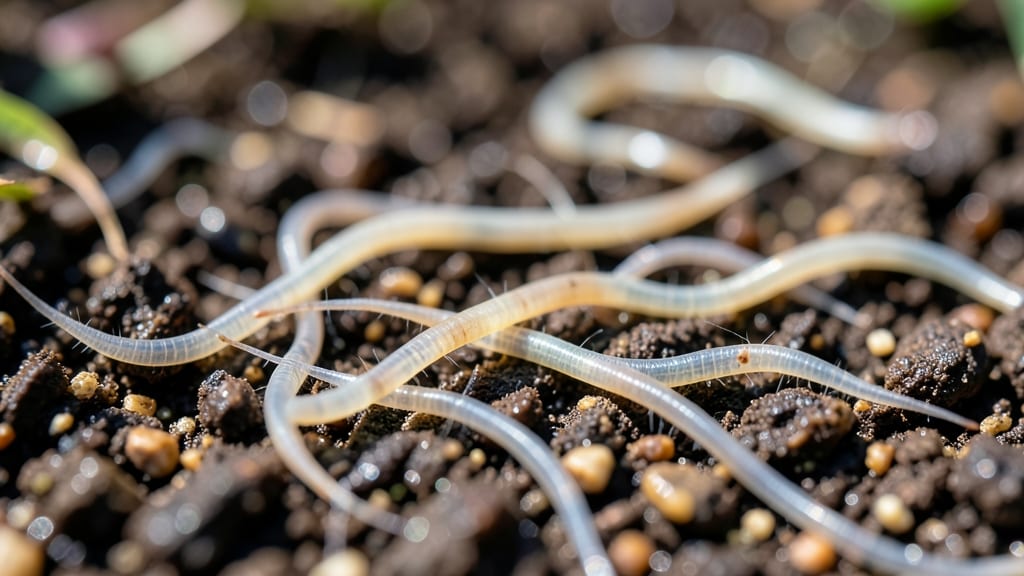
Seeing those wriggling nematodes in soil pictures under a microscope might sound creepy, but these tiny creatures are either your garden’s secret allies or silent saboteurs. ✨ I’ve stained soil samples to reveal them—and the difference between beneficial and harmful types becomes crystal clear once you know what to look for.
Most nematodes are harmless or even helpful, breaking down organic matter and keeping soil healthy. But the destructive ones—like root-knot nematodes—leave behind stunted plants, yellowing leaves, and gnarled roots.
The key is spotting their damage early, before they ruin your harvest. A simple DIY staining method (vinegar + food coloring) makes them visible without fancy lab equipment.
By the end of this, you’ll recognize the warning signs in your garden: wilting despite enough water, roots that look like tangled spaghetti, or plants that just refuse to grow.
Armed with these visual clues, you can take the first steps to manage them—whether that’s crop rotation, organic treatments, or choosing resistant plant varieties.
No lab required—just a microscope, a few household items, and a closer look at what’s really happening below the soil line. Let’s uncover these microscopic players and turn the tide in your garden’s favor.
Hidden Triggers Behind Soil Nematodes
Nematodes—those tiny, thread-like worms—thrive in soil under specific conditions, often without gardeners even realizing they’re there. Understanding why these microscopic invaders multiply can help you take proactive steps to manage them.
Below, we break down the key factors that turn soil into a nematode hotspot, complete with science-backed explanations and actionable insights.
Nematodes love moisture, but too much water creates the perfect breeding ground. When soil stays soggy for prolonged periods, it:
- Reduces oxygen levels: Most nematodes prefer aerobic (oxygen-rich) conditions, but some—like root-knot nematodes—thrive in waterlogged zones where roots weaken.
- Encourages fungal food sources: Excess moisture promotes fungal growth, which nematodes feed on. This creates a feedback loop: more fungi = more nematodes.
- Weakens plant defenses: Water-stressed plants release sugars through their roots, attracting nematodes like a buffet.
Actionable fix: Improve drainage by amending soil with perlite, sand, or compost (but avoid fresh manure—it can worsen the problem). Use raised beds or drip irrigation to control moisture.
Nematodes aren’t just eating plants—they’re also dining on soil microbes. When fungal and bacterial populations explode (often due to organic matter overload or poor soil balance), nematodes get a feast. Key culprits:
- Saprophagic nematodes: These decomposers thrive on dead organic matter, multiplying rapidly in gardens with excess mulch, compost, or rotting plant debris.
- Mycorrhizal fungi disruption: Healthy soil fungi form symbiotic relationships with plants, but when disrupted (e.g., by synthetic fertilizers), nematodes exploit the imbalance.
Actionable fix:
- Balance organic matter: Aim for 5–10% compost in soil, not piles of fresh material.
- Use beneficial fungi like Trichoderma to outcompete nematode food sources.
Plants under stress—whether from disease, nutrient deficiency, or pests—emit chemical signals that attract nematodes. These signals include:
- Root exudates: Stressed roots leak sugars and amino acids, which nematodes detect as a "come and eat" beacon.
- Volatile organic compounds (VOCs): Damaged plants release gases that nematodes follow to locate their next meal.
Common stress triggers:
- Nutrient deficiencies (especially phosphorus or potassium).
- Compaction or root-bound plants.
- Pathogen infections (e.g., Fusarium or Phytophthora).
Actionable fix: Conduct a soil test to address deficiencies, rotate crops annually, and avoid overcrowding plants. Healthy roots = fewer nematode invitations.
Nematodes are cold-blooded and highly sensitive to temperature. Their activity peaks when:
- Soil temps hit 68–86°F (20–30°C): This is their "goldilocks zone" for feeding and reproduction.
- Winter dieback occurs: Freeze-thaw cycles can kill plants but leave nematodes dormant in soil, ready to rebound when conditions warm.
Actionable fix:
- Monitor soil temperature with a probe—aim to keep it below 65°F (18°C) during peak nematode seasons.
- Use mulch in fall to insulate soil and disrupt hatching cycles.
Soil pH and salinity play a surprising role in nematode populations. While most nematodes prefer slightly acidic to neutral soil (pH 6.0–7.0), extremes can either invite them in or push them out:
| Factor | Nematode Response | Actionable Fix |
|---|---|---|
| Low pH (<5.0) | Some nematodes (e.g., lesion nematodes) thrive in acidic conditions, while others are suppressed. | Amend with lime to raise pH gradually. |
| High salinity | Salt-tolerant nematodes (e.g., Maritime nematodes) dominate, while sensitive species decline. | Flush soil with water or use gypsum to reduce salt buildup. |
| Excessive synthetic fertilizers | High nitrogen promotes plant growth but also attracts nematodes via root exudates. | Switch to slow-release organic fertilizers (e.g., worm castings). |
Natural Ways To Control Soil Nematodes
Soil nematodes—those tiny, invisible worms—can wreak havoc on your garden if left unchecked. But before reaching for harsh chemicals, try these effective, eco-friendly solutions tailored to the root causes of infestations.
Below, we break down practical fixes based on common triggers, from overwatering to poor soil health, plus prevention tips to keep your garden thriving.
---
Problem: Excess moisture creates the perfect breeding ground for nematodes, especially in compacted or waterlogged soil.
How to Fix It: - 🔥 Improve Drainage – Amend heavy clay soil with organic matter like compost, coconut coir, or perlite. Aim for well-draining soil (a mix of sand, peat, and compost works well). - 👨🍳 Mulch Strategically – Apply 3–4 inches of organic mulch (straw, wood chips, or leaves) to regulate moisture and prevent soil crusting. - ⏰ Water Wisely – Water deeply 2–3 times per week (early morning) instead of daily shallow watering. Avoid soggy roots!
Prevention Tip: 💡 Test your soil’s drainage—dig a 6-inch hole, fill it with water, and time how long it takes to drain. If it’s slower than 4 hours, amend immediately.
---
Problem: Nematodes thrive on weakened plants with poor nutrition or disease. Yellowing leaves, stunted growth, and root galls are red flags.
How to Fix It: - 🥘 Boost Plant Immunity – Feed plants with nematode-resistant compost (rich in beneficial microbes like Bacillus firmus or Trichoderma fungi). - 🔪 Prune Damaged Roots – If you spot galls or knots on roots (a nematode telltale sign), trim affected areas and disinfect tools with rubbing alcohol. - 🌡️ Rotate Crops – Avoid planting susceptible crops (tomatoes, peppers, potatoes) in the same spot for 3–4 years. Opt for marigolds, garlic, or onions—they naturally repel nematodes!
Prevention Tip: ✨ Interplant with trap crops—mustard greens or radishes can lure nematodes away from your main plants.
---
Problem: Nematodes reproduce rapidly in warm, undisturbed soil. Solarization or heat treatment can disrupt their lifecycle.
How to Fix It: - 🔥 Solarize the Soil – Cover infested beds with clear plastic sheeting for 4–6 weeks (peak summer). Sun + trapped heat kills eggs and larvae. - 🌡️ Use Heat or Steam – For potted plants, soak containers in hot water (120°F+) for 30 minutes to sterilize soil. - 🎯 Introduce Predatory Nematodes – **Beneficial Steinernema or Heterorhabditis nematodes hunt harmful species. Apply in cool, moist soil at dusk.
Prevention Tip: 💡 Avoid tilling—it spreads nematodes. Instead, top-dress with compost to encourage beneficial microbes that outcompete pests.
---
Problem: Some gardeners rely on nematicides, but natural alternatives work just as well (and safely).
How to Fix It: | Method | How to Use | Best For | |--------------------------|---------------------------------------------------------------------------------|-------------------------------| | Neem Oil Spray | Mix 1 tbsp neem oil + 1 tsp mild soap per gallon of water. Spray roots and soil. | Early-stage infestations | | Garlic or Chili Spray| Blend garlic/chili + water, strain, and spray on soil. | Repels and weakens nematodes | | Hydrogen Peroxide | Dilute 3% H₂O₂ (1:9 ratio with water) and water soil deeply. | Small pots or seedling trays |
Prevention Tip: 🌿 Plant nematode-repelling herbs like basil, mint, or thyme near vulnerable crops.
---
If nematodes persist despite these steps: - 🔍 Test Your Soil – Send a sample to a local extension office for a nematode assay (costs ~$20–$50). - 💊 Use Targeted Nematodes – For severe cases, professional-grade beneficial nematodes** (e.g., Phasmarhabditis hermaphrodita) may be needed. - 🌱 Replace Infested Soil – If the problem is widespread, remove and replace the top 6 inches of soil with sterilized potting mix.
--- Final Pro Tip: 🎯 Healthy soil = fewer nematodes. Focus on diverse plantings, organic matter, and balanced moisture—your garden’s defense starts here!
Frequently asked questions
How do I tell if my soil has harmful nematodes just by looking at pictures?
Look for these visual clues: root-knot nematodes create small, marble-sized galls on roots, while lesion nematodes cause brown, necrotic lesions. Beneficial nematodes appear slender and transparent under magnification—no damage signs. Compare your findings with stained soil samples (like the DIY vinegar method) to spot the telltale coiled shapes.
Can I use a smartphone microscope attachment to identify nematodes?
A 100x–400x magnification clip-on lens works well for spotting nematodes. Focus on stained soil samples (use food coloring + vinegar) to highlight their shapes. For better clarity, try a $20 USB microscope—it connects to your computer for sharper images than phone cameras alone.
What’s the fastest way to confirm if my plants are suffering from nematode damage?
Dig up a small root sample (2–3 inches deep) and rinse it gently. Look for:
- Galls (root-knot nematodes)
- Brown lesions (lesion nematodes)
- Stunted, forked roots (general nematode stress)
Are there any nematodes that actually help my garden?
Yes! Beneficial nematodes like Steinernema and Heterorhabditis hunt pest insects and suppress harmful nematode populations. They’re sold as powders or liquids—apply them to moist soil at dusk. Other helpers include bacterial-feeding nematodes, which cycle nutrients and improve soil structure.
How often should I check my soil for nematodes if I’ve had problems before?
Monitor seasonally: Check soil in spring (before planting) and fall (after harvest). For high-risk gardens (e.g., vegetable beds), test every 3–4 months. Use the DIY staining method—it’s quick and reveals trends over time. If you spot issues, act fast with crop rotation or organic treatments.