
Vegetables
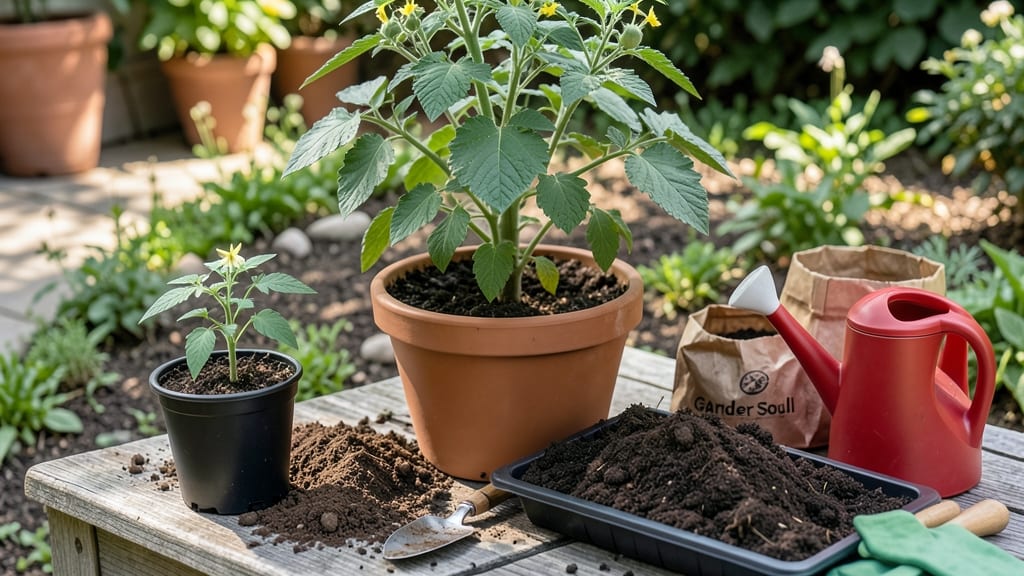
Your container vegetables' success hinges on potting mix vs potting soil—and the wrong choice can mean soggy roots or stunted growth. 🌱 I've tested both in my raised beds, and the difference in drainage alone explains why my cherry tomatoes thrive while my neighbor's wilt by mid-July.
The confusion starts with the names: "potting soil" sounds like garden soil, but it's actually a heavier, less breathable blend that suffocates roots when wet.
Potting mix is the lightweight champion—designed with perlite, vermiculite, and coconut coir to wick away excess water while holding just enough moisture for roots to drink. It's sterile, nutrient-light (so you'll need to amend it), and perfect for leafy greens like lettuce or herbs that hate soggy feet.
The downside? It drains too fast for thirsty plants like peppers or eggplants unless you tweak it with compost or worm castings.
Potting soil, on the other hand, mimics garden soil with more organic matter and slower drainage—ideal for root crops like carrots or potatoes that need consistent moisture. But here's the catch: it compacts easily, leading to root rot in containers.
My zucchini plants nearly died last summer until I swapped it for a 50/50 blend with potting mix. The fix? Add coarse sand or horticultural grit to any mix to improve aeration without sacrificing moisture.
For most vegetables, potting mix wins—just amend it with compost and a slow-release fertilizer. Root crops are the exception, where potting soil's heavier texture helps. Pro tip: check the label—if it says "moisture control" or "water retention," it's leaning toward potting soil.
Your containers will thank you with bigger, healthier harvests all season long.
The first product explained
Product A Overview: Miracle-Gro Performance Organics All Purpose Indoor Plant Food Potting Mix
If you're looking for a high-performance, nutrient-rich potting mix tailored for vegetable gardening, Miracle-Gro Performance Organics All Purpose Potting Mix is a fantastic choice. 🌱🥕 This premium blend is designed to support healthy root growth, vibrant foliage, and—most importantly—bigger, more abundant harvests for your homegrown veggies.
📏 Specs & Features
- Organic & Natural: Made with 100% organic ingredients, including composted plant and animal matter, ensuring a sustainable and eco-friendly option.
- Lightweight & Fluffy: Perfectly balanced texture for optimal aeration and water retention, reducing the risk of root rot while keeping moisture where it's needed.
- Enhanced Nutrients: Fortified with essential micronutrients like nitrogen, phosphorus, and potassium to fuel rapid growth and robust yields.
- pH-Balanced: Neutral pH (around 6.0–7.0) ideal for most vegetables, ensuring nutrients are readily available to your plants.
- Disease-Resistant: Contains beneficial microbes to suppress harmful pathogens, promoting a healthier growing environment.
- Versatile Use: Suitable for containers, raised beds, and in-ground planting, making it a go-to for all your veggie-growing needs.
🎯 Target Users
This potting mix is perfect for:
- 🌿 Beginner gardeners who want a low-maintenance, high-yield solution without guesswork.
- 🏡 Urban gardeners & apartment dwellers growing veggies in containers or balconies.
- 🌍 Eco-conscious growers prioritizing organic, non-toxic ingredients.
- 🍅 Vegetable enthusiasts aiming for bigger tomatoes, peppers, leafy greens, and herbs.
- 🔄 Seasoned gardeners looking to boost soil quality in raised beds or garden plots.
💰 Price Point & Value
The Miracle-Gro Performance Organics Potting Mix typically retails for $12–$18 per 8-quart bag, depending on where you shop (check Amazon, Home Depot, or local garden centers).
While it’s slightly pricier than basic potting soils, the superior nutrient density, organic certification, and proven results make it a worthwhile investment for serious vegetable growers.
💡 Pro Tip: For even better drainage (critical for veggies like peppers and tomatoes), mix in perlite or vermiculite (10–20% of the total volume) to prevent waterlogging while keeping the mix’s organic benefits intact!
The second product explained
Meet FoxFarm Ocean Forest Potting Soil—the nutrient-packed powerhouse designed for serious gardeners who crave bountiful, homegrown veggies without the guesswork! 🌿🍅 This premium blend is engineered to mimic the rich, moisture-retentive conditions of coastal forests, making it a favorite among urban farmers and container gardening enthusiasts. Whether you're growing leafy greens, tomatoes, or peppers, this soil delivers the organic goodness your plants need to thrive.
📏 Key Specs & Features
- Organic Composition: Blend of coconut coir, worm castings, bat guano, kelp meal, and forest humus for a nutrient-dense foundation.
- Moisture Retention: Holds water without becoming soggy, thanks to its lightweight yet airy texture.
- pH Balance: Slightly acidic (6.3–6.8), perfect for most vegetables (adjust with lime if needed).
- Slow-Release Nutrients: Feeds plants for up to 3 months, reducing the need for frequent fertilizing.
- Pest & Disease Resistance: Natural ingredients like mycorrhizal fungi boost plant immunity.
- Container-Friendly: Ideal for 5-gallon pots to raised beds, with no compaction over time.
🎯 Who’s It For?
This isn’t your basic garden soil—it’s tailored for:
- Urban Gardeners: Perfect for balconies, patios, and small spaces where drainage and nutrients are critical.
- Vegetable Enthusiasts: Supports tomatoes, peppers, herbs, and leafy greens with minimal fuss.
- Organic Growers: OMRI-listed ingredients ensure no synthetic chemicals.
- Beginners & Pros Alike: Easy to use but packed with advanced benefits for experienced gardeners.
💰 Price Point & Value
Priced at $12–$18 per 8-quart bag (or ~$25–$35 for a 12-quart bag), FoxFarm Ocean Forest is an investment—but one that pays off in healthier plants, bigger yields, and fewer failed harvests.
Compared to generic potting mixes, the long-term savings on fertilizers and replanting costs make it a steal. Pro Tip: 💡 Buy in bulk if you’re growing year-round or have multiple containers!
Why It Stands Out: Unlike basic potting soil, Ocean Forest is engineered for performance, not just fill. If you’re after flavorful, fast-growing veggies with minimal maintenance, this is the go-to for container gardening. 🚀
Head-to-head comparison
Ready to dig into the details? Let’s break down the key differences between potting mix and potting soil for growing vegetables in a side-by-side comparison. Whether you're a seasoned gardener or a curious beginner, understanding these nuances will help you pick the perfect growing medium for your veggie patch! 🥬🌱
🔍 1. Performance: Which One Grows Better Veggies?
When it comes to growing vegetables, performance is all about how well the medium supports root health, nutrient uptake, and overall plant vigor. Here’s how they stack up:
| Factor | Potting Mix | Potting Soil |
|---|---|---|
| Drainage | ⭐⭐⭐⭐⭐ Excellent – Lightweight, airy, and designed to prevent waterlogging. | ⭐⭐ Moderate – Can compact over time, leading to poor drainage if not amended. |
| Nutrient Retention | ⭐⭐⭐⭐ Good – Often blended with compost or fertilizer for steady nutrient release. | ⭐⭐⭐ Variable – May lack organic matter unless enriched; nutrients can leach out faster. |
| Root Aeration | ⭐⭐⭐⭐⭐ Superior – High porosity promotes oxygen flow to roots, reducing rot risk. | ⭐⭐ Poor – Can become dense, suffocating roots and limiting growth. |
| Moisture Control | ⭐⭐⭐⭐ Balanced – Retains enough moisture without staying soggy. | ⭐⭐⭐ Unpredictable – May dry out quickly or stay too wet, stressing plants. |
💡 Pro Tip: For heavy feeders like tomatoes or peppers, a potting mix with added worm castings or slow-release fertilizer can give your veggies the extra boost they need!
🛒 2. Price: What’s Your Budget Saying?
Your wallet will notice the difference between these two options. Here’s a quick cost breakdown:
- Potting Mix:
- 💰 Moderate to High – Typically costs $3–$8 per cubic foot due to high-quality ingredients like peat moss, coconut coir, or perlite.
- 💡 Why? – The blend of organic and inorganic materials (like vermiculite) makes it pricier but worth it for container gardening.
- Potting Soil:
- 💰 Low to Moderate – Usually $1–$5 per cubic foot, but prices vary based on local soil quality and amendments.
- ⚠️ Watch Out: Cheap potting soil may contain clay or sand, which can compact and harm roots over time.
🎯 Budget Hack: If you’re growing in large containers, potting mix might seem expensive upfront, but its superior performance can lead to bigger harvests and fewer replants—saving you money in the long run!
🏗️ 3. Durability: How Long Will It Last?
Durability isn’t just about how long the bag lasts—it’s about how well the medium holds up under your gardening conditions. Let’s see how they age:
- Potting Mix:
- ⏳ 3–5 years (if stored properly) – The sterile, soilless blend resists degradation from pests, fungi, or weeds.
- 🌱 Reusable? – Can be refreshed with compost or fertilizer for 2–3 growing seasons before replacing.
- Potting Soil:
- ⏳ 1–2 years (or less) – Organic matter breaks down faster, and soil can compact or become infested with weeds/seeds.
- 🚫 Reusable? – Rarely recommended for reuse unless heavily amended, as it can harbor diseases or lose structure.
💡 Storage Tip: Keep your potting mix in a cool, dry place (like a garage or shed) to prevent mold growth and extend its shelf life!
🌱 4. Features: What’s Inside the Bag?
Not all growing mediums are created equal! Here’s what you’re actually getting in each:
| Component | Potting Mix | Potting Soil |
|---|---|---|
| Base Material | Peat moss, coconut coir, or composted bark (soilless). | Topsoil, clay, or sand (often contains real soil). |
| Amendments | Perlite, vermiculite, compost, or fertilizer (designed for optimal plant health). | Limited or no amendments unless it’s "premium" potting soil. |
| Sterility | ✅ Sterile – Free from weeds, pathogens, and pests. | ❌ Not sterile – May contain weed seeds or soil-borne diseases. |
| pH Balance | Neutral to slightly acidic (usually 5.5–6.5), ideal for most veggies. | Variable (can be too acidic or alkaline depending on source). |
| Best For | Container gardening, hydroponics, or any veggie that needs fast drainage (e.g., herbs, peppers, tomatoes). | In-ground gardens or raised beds (if heavily amended). |
🔥 Hot Tip: If you’re growing acid-loving plants like blueberries or potatoes, check the pH of your potting mix—some brands are too alkaline for optimal growth!
🌡️ 5. Climate Adaptability: Can It Handle Your Growing Conditions?
Your local climate plays a huge role in which medium will work best. Here’s how they perform in different scenarios:
- Hot/Dry Climates:
- Potting Mix: ⭐⭐⭐⭐
Which one should you choose?
So, which one should you choose for your veggie garden? The answer depends on your goals, setup, and plant types—but don’t worry, we’ve got you covered! Here’s a clear-cut recommendation to help you pick the perfect growing medium for bigger, healthier harvests. 🌱🍅
🌿 Go with Potting Mix if...
- You’re growing in containers (pots, raised beds, or window boxes). Potting mix’s lightweight, airy texture prevents waterlogging, which is critical for root health in confined spaces. 🏺
- Your plants are heavy feeders like tomatoes, peppers, or leafy greens. The added nutrients and organic matter give them the boost they need to thrive. 🍅🌿
- You prioritize convenience. Most potting mixes are pre-fertilized and ready to use—perfect for beginners or busy gardeners. ⏳
- You’re growing seedlings or delicate herbs. The fine texture and moisture retention create an ideal environment for young plants. 🌱💧
🏡 Opt for Potting Soil if...
- You’re planting directly in the ground or large garden beds. Potting soil’s heavier, more stable structure mimics natural soil, making it ideal for in-ground veggies like carrots, potatoes, or root crops. 🥔🌍
- You need better water retention for drought-prone areas or thirsty plants like cucumbers or squash. The higher clay/silt content holds moisture longer. 💧🌞
- You’re on a budget or prefer DIY solutions. Potting soil is often cheaper and can be customized with compost or amendments. 💰🔄
- Your plants are hardy and low-maintenance, like beans, peas, or hearty greens. They’ll do just fine in a more "earthy" mix. 🌱💪
🔥 Pro Tip for Maximum Results
Why not combine both? For containers, mix 70% potting mix with 30% potting soil to balance drainage and nutrients. For in-ground planting, amend potting soil with compost or perlite to improve aeration. 🌱✨ Experiment! Your veggies will thank you with bigger, tastier yields.
🚫 Avoid These Mistakes
- Using garden soil in containers—it compacts, drains poorly, and can introduce pests. ❌🐜
- Skipping amendments if your soil is heavy clay or sandy. Test and adjust! 🧪🔍
- Ignoring your plant’s needs. Leafy greens love potting mix, while root veggies thrive in looser potting soil. 🥕🍃
At the end of the day, potting mix wins for containers and nutrient-hungry plants, while potting soil shines for in-ground gardening and moisture-loving crops. Try both, observe what works, and happy growing! Your future salads (and bragging rights) will be delicious. 🥗😋