
How To
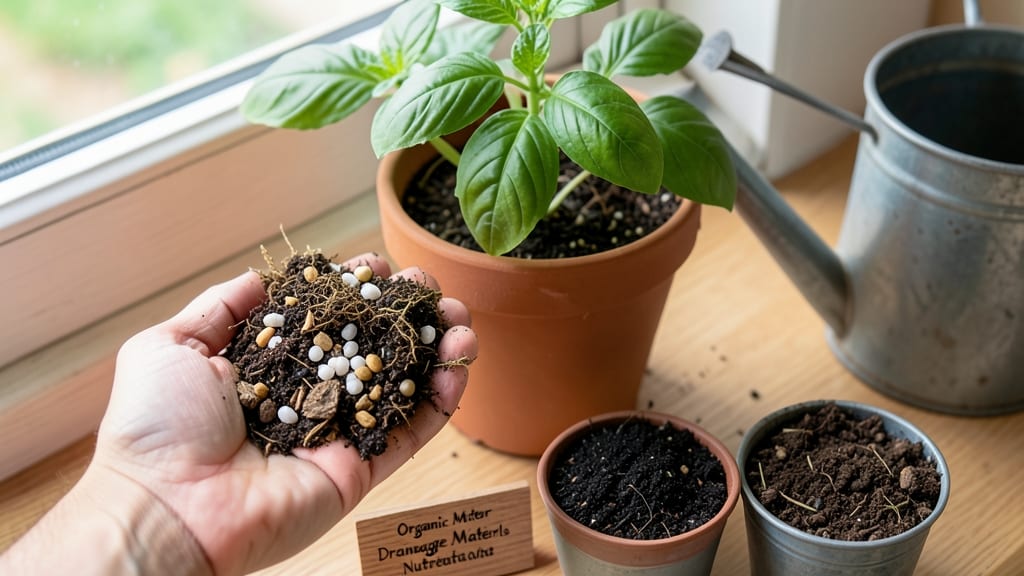
Potting soil meaning explains a specialized growing medium engineered for container gardening, combining organic materials, nutrients, and moisture control to promote healthy root growth in confined spaces. Unlike garden soil, it’s lighter, sterile, and optimized for potted plants.
Potting soil isn't just dirt—it's a carefully balanced mix designed to mimic ideal growing conditions in small spaces. 🌱 The key is its structure: it includes perlite or vermiculite for aeration, peat moss for moisture retention, and compost for nutrients, creating the perfect environment for roots to thrive.
Unlike garden soil, which can be too dense and compacted, potting soil prevents waterlogging while still providing the nutrients plants need to flourish.
This specialized blend also prevents soil-borne diseases that might harm delicate potted plants. I always recommend using it for herbs, vegetables, or flowers grown in containers, as it helps maintain the right moisture levels without suffocating roots.
For seed starting, you can even mix in extra perlite to keep the soil light and airy.
💡 In This Article
- Key Differences Between Potting Soil and Garden Soil
- Best Uses for Potting Soil in Container Gardening
Key differences between potting soil and garden soil
Potting soil is engineered to solve the unique challenges of container gardening. The most critical difference is its porosity—potting mixes contain 20-30% air pockets created by additives like perlite, vermiculite, or coconut coir. This prevents the compacting that occurs in garden soil when watered, which can suffocate roots.
For example, a standard garden soil might compress to just 10% air space, while premium potting mixes maintain 25-30% even after watering. 🌱 This aeration is crucial because roots need oxygen to respire, just like we need air to breathe.
The nutrient density also differs dramatically. Garden soil relies on decades of organic matter decomposition to provide nutrients, while potting soil incorporates fast-release fertilizers (like composted manure or worm castings) and slow-release granules that break down over months.
A typical bag of potting soil contains 1-3% organic matter by volume, compared to garden soil's 5-10%, but the potting mix's nutrients are immediately available.
This is why container plants often show faster growth when transplanted into fresh potting soil—roots don't have to wait for nutrients to become accessible.
Moisture control is another key distinction. Garden soil retains water through capillary action between dense particles, but this creates waterlogging risks in containers where drainage is limited.
Potting soil uses moisture-retaining additives like peat moss or sphagnum, which can hold 4-6 times their weight in water, while still allowing excess to drain.
The texture is also lighter—potting soil weighs about 40-50 pounds per cubic foot, while garden soil can exceed 80 pounds, making containers easier to move and reducing root stress from heavy soil.
Sterility is where potting soil truly shines. Garden soil often contains pathogens, weed seeds, and pests that can harm delicate container plants. Potting mixes are pasteurized or sterilized during production, eliminating these threats.
For instance, a common garden soil might harbor 10,000+ weed seeds per gallon, while premium potting soil contains zero. This is why professional growers use potting soil for seed starting—it creates a clean environment where young plants won't compete with weeds or contract soil-borne diseases.
Finally, the pH balance differs significantly. Most potting soils are formulated to a neutral pH (6.0-7.0), ideal for a wide range of plants, while garden soil can vary wildly—often acidic (5.0-6.0) in temperate climates or alkaline (7.5+) in arid regions.
This consistency is crucial for container gardening, where you can't easily amend the soil chemistry. For example, blueberries require acidic soil (pH 4.5-5.5), so garden soil might need sulfur amendments, while potting soil can be pre-adjusted to meet specific plant needs.
Consider this real-world example: When growing basil in containers, garden soil would compact over time, reducing oxygen to roots and causing the plant to wilt despite regular watering. Potting soil, however, maintains its structure, allowing roots to expand freely while retaining enough moisture.
The result? Basil plants in potted mixes grow 30-50% faster with fewer diseases and higher yields of leaves. This is the power of engineered growing media. 🌿