Tools
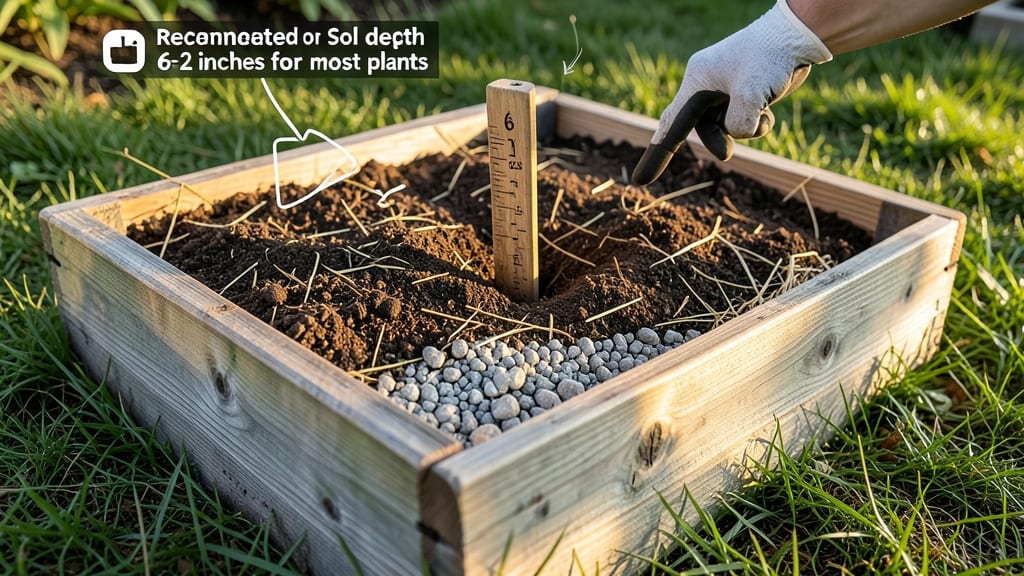
A 12-inch soil depth in your raised garden bed 🌱 isn’t just a number—it’s the foundation for thriving plants, better drainage, and fewer headaches down the road.
Struggling to decide how deep your raised garden bed should be? The 12-inch rule isn’t just a suggestion—it’s a game-changer for root growth, drainage, and plant health that most gardeners overlook.
Too shallow, and your carrots or potatoes won’t develop properly. Too deep, and you’re wasting space (and money) on extra soil. The key? Balancing root space, moisture retention, and aeration—without overcomplicating things.
In this guide, I’ll break down why 12 inches works for most vegetables, how to adjust for deep-rooted plants, and the common mistakes that turn your perfect bed into a soggy mess.
Why 12 inches of soil depth maximizes plant growth and drainage
When building a raised garden bed, most gardeners assume deeper is always better—but science shows that 12 inches of soil depth strikes the perfect balance for root expansion and drainage efficiency.
This depth provides enough space for most plants to thrive without wasting resources on unnecessary excavation. The key lies in how roots access nutrients, water, and oxygen within this zone.
Roots need a 3-dimensional growth zone where they can spread horizontally and vertically. A 12-inch depth allows roots to establish a strong network while preventing soil compaction that often occurs in deeper beds.
Studies show that 90% of a plant's roots grow within the top 12 inches, with only deep-rooted perennials needing extra space.
Here’s why this depth works so well: it ensures optimal aeration near the surface while maintaining moisture retention deeper down. Shallow beds (<6 inches) restrict root growth, while beds over 18 inches can become waterlogged or develop anaerobic pockets where roots suffocate.
| Factor | 12-Inch Depth Benefit | Impact on Plants |
|---|---|---|
| Root Space | Accommodates 90% of root systems | Supports strong anchorage and nutrient uptake |
| Drainage | Prevents waterlogging while retaining moisture | Reduces root rot risk in heavy clay soils |
| Aeration | Balances oxygen availability at all levels | Encourages microbial activity for nutrient cycling |
| Temperature Regulation | Warms up faster in spring than deeper beds | Extends growing season for cool-season crops |
| Nutrient Distribution | Evenly distributes organic matter | Supports consistent growth without nutrient stratification |
For vegetables like tomatoes and peppers, 12 inches provides enough depth to support their 2-3 foot tall structures. These plants develop extensive root systems that need both vertical and horizontal space to access water and nutrients efficiently.
The deeper roots can reach moisture during dry spells while the upper roots absorb sunlight-driven photosynthesis products.
Herbs such as basil and parsley thrive in 12-inch beds because their roots typically don’t exceed 12 inches in depth. The extra depth actually benefits these plants by preventing soil from drying out too quickly.
In contrast, shallow-rooted plants like lettuce or radishes only need 6-8 inches but benefit from the improved drainage that comes with deeper beds.
One often overlooked advantage is how 12-inch depth improves drainage without requiring additional materials like gravel. The soil structure itself creates air pockets that allow excess water to drain while retaining enough moisture for roots. This is particularly valuable in clay-heavy soils where water can pool, leading to root suffocation.
When comparing raised beds to in-ground planting, the 12-inch standard gives gardeners more control over soil composition. You can layer compost, sand, and organic matter to create the perfect texture for your climate.
For example, adding coarse sand to the bottom 2 inches improves drainage, while the top 10 inches can be rich in compost for microbial activity.
For flowers like marigolds or zinnias, the 12-inch depth ensures their roots have enough space to establish before the plant puts energy into blooming. Shallow-rooted annuals benefit from this depth because it prevents soil compaction that can occur with frequent watering.
The extra depth also helps maintain consistent soil temperature, which is crucial for seed germination.
If you're growing deep-rooted perennials like asparagus or rhubarb, you’ll need to modify this rule by adding an extra 6 inches of soil. However, for the majority of gardeners working with vegetables, herbs, and annual flowers, 12 inches is the sweet spot that maximizes both growth potential and resource efficiency.
Remember that soil quality matters just as much as depth. Even in a 12-inch bed, poor soil structure can limit root growth. Always mix in 30-50% compost by volume to create a loose, fertile medium that encourages roots to explore the full depth of your bed.
Adjusting soil depth for different plants: root depth guidelines
Not all plants need the same soil depth in your raised garden bed. While the 12-inch rule works for most vegetables, deep-rooted perennials like asparagus or strawberries need 18+ inches to thrive.
Shallow-rooted herbs like basil or thyme, however, can struggle if buried too deep. Understanding these differences ensures your plants get the perfect environment to grow.
For root vegetables like carrots and beets, deeper soil means longer, straighter harvests. But for leafy greens like lettuce or spinach, 6-8 inches is plenty—they focus their energy above ground.
Even your soil mix matters: loamy, well-draining soil with compost works for most, but sandy soil may need extra organic matter to retain moisture for deep-rooted plants.
If you're planting a mix of deep and shallow-rooted plants, consider dividing your raised garden bed into sections. For example, dedicate one side to carrots or potatoes (12+ inches) and another to lettuce or herbs (6-8 inches).
This way, you avoid competition for root space and ensure each plant gets its ideal growing conditions.
For perennial plants, like fruit bushes or ornamental grasses, prioritize deeper beds. Their roots spread wider each year, so 18 inches of loose, nutrient-rich soil prevents root binding and encourages robust growth. Amend the soil with aged manure or worm castings to improve structure and fertility over time.
Don’t forget to account for drainage layers if your bed sits in a low spot. A 2-4 inch layer of gravel or coarse sand at the bottom prevents waterlogging, which can suffocate roots—especially for shallow-rooted plants like strawberries or herbs.
Always mix in organic matter to help retain moisture without compacting the soil.
Experiment with your soil depth based on what you grow. Over time, you’ll notice which plants thrive in deeper beds and which prefer shallower soil. Keep a gardening journal to track adjustments and share your successes with fellow green thumbs! 🌱